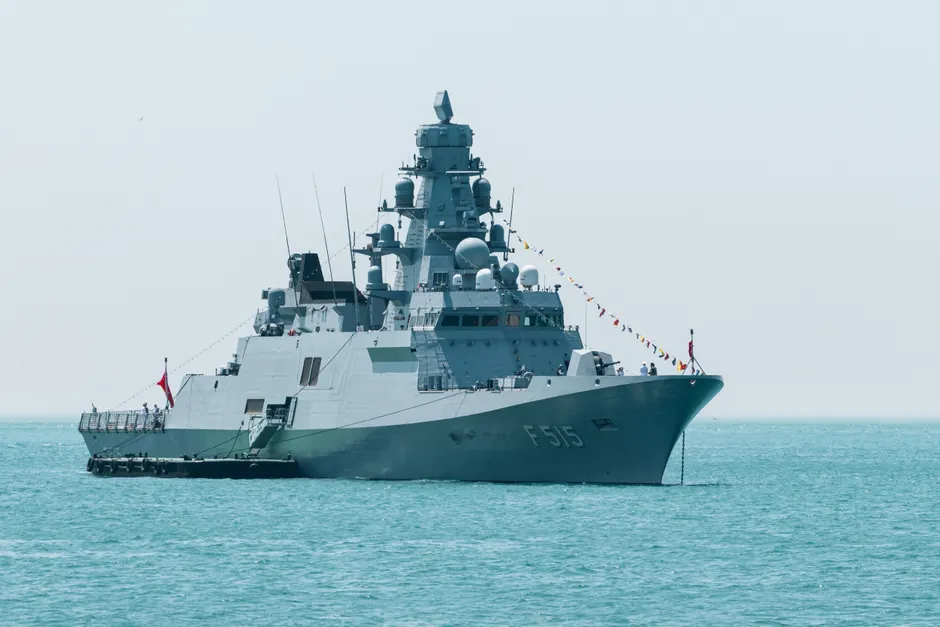
U.S. and Iran Deal Faces Its Biggest Test Yet After Tanker Attacks
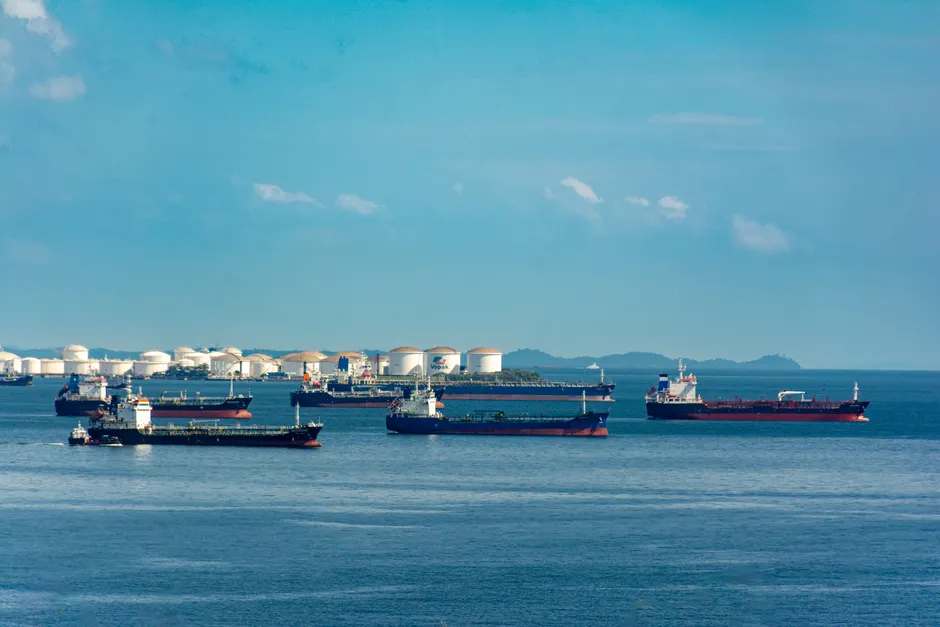
U.S. and Iran Deal Faces Its Biggest Test Yet After Tanker Attacks
Three cargo ships were hit by projectiles in the Strait of Hormuz—a vital shipping corridor—in early July, and the U.S. responded by canceling a license that had let Iran sell oil overseas, according to Reuters. Iran said in turn that it will not hold further talks unless President Trump stops what Tehran calls continued pressure. The tanker strikes put immediate strain on a temporary agreement the two countries signed on June 18.
What the Agreement Actually Is
The agreement is not a peace treaty. Reuters described it at the time as a holding pattern—an extension of a ceasefire that began in April 2026, pushed out for 60 more days while both sides prepare for a final round of talks. The agreement includes two major parts: the U.S. lifts its naval blockade on Iranian ports, and the Strait of Hormuz reopens to commercial ships. That strait matters because it carries roughly one-fifth of all global oil shipments.
Trump announced the agreement on June 14 and followed with posts on Truth Social declaring the deal "complete" and authorizing "the toll free opening of the Strait of Hormuz." He later claimed it would "bring Peace and Security to the whole Region" and took credit against past presidents, writing that "Many presidents have tried to make Peace with Iran, and all have failed before me." The White House's June 19 statement went further, saying the agreement ensures Iran will never get a nuclear weapon. But an agreement of this type—known in diplomacy as a Memorandum of Understanding—is not legally binding and typically doesn't carry the weight of a formal treaty.
The Deal Wobbles
The path since June 18 has been unsteady. Trump discussed the deal at the G7 summit on June 17. Vice President JD Vance used that moment to defend Trump against Israeli officials who had criticized the terms—a rare public rebuke of Israel from the administration. Yet within days, at a NATO summit, Trump himself declared the interim deal "over," even as U.S. and Iranian negotiators were reportedly still talking and threats about closing the strait hung over the negotiations, according to Reuters. That same report noted Washington had waived some Iran sanctions after that round of talks—relief that has now been partially reversed by the license cancellation following the tanker incidents.
Markets React to Every Signal
Oil traders have been watching the diplomacy intently. Crude prices dropped to a three-month low after Trump announced the deal on June 14. Then oil fell below $70 a barrel on June 26 after an attack on a cargo ship near Oman—an unusual response that suggests traders expected the strait to reopen soon. Around June 25, Iran reportedly struck a container ship in the strait hard enough to halt traffic entirely. By early July, oil prices climbed again as news of the Iranian attacks on commercial vessels spread.
The economic stakes are worth spelling out. When the strait closes or seems uncertain, energy prices can spike because shipping becomes risky. But in this case, markets compressed rather than inflated prices in late June, betting that a deal would eventually allow commerce to flow again. That bet has now become less certain.
The Leverage Underneath
Before June's talks even began, Trump had built a system of economic pressure that remains in place regardless of whether the agreement holds. In February 2026, he issued an executive order reinstating the national emergency status for Iran and set up a mechanism for tariffs on any country that does business with Tehran. He later specified the rate: 25% in tariffs on U.S. trade with any nation that continues doing business with Iran. That system of penalties exists whether the current agreement survives or not, giving Washington a permanent tool to shape Iran's choices.
The Choice Trump Already Made
The Wall Street Journal reported on June 30 that Trump had been briefed on military options for an all-out war against Iran but chose to continue with diplomatic talks instead. That decision came roughly a week before the tanker strikes. It reveals the administration's stated preference: negotiation over armed conflict, even though Trump's own public statements have swung between claiming victory and declaring the whole deal over.
Technical talks in Doha wrapped up around July 1 with a narrow focus: how to keep the strait safe for shipping. That those talks finished before the July tanker attacks is a sign that the diplomatic track and the security situation on the water are out of sync with each other. Iran's current position is firm: Trump must halt pressure before talks resume. Paired with the U.S. license cancellation, that demand leaves the 60-day window from the June agreement looking less like a firm deadline for a final deal and more like a measure of how quickly an interim arrangement can fall apart when tested by real conflict in the strait.