Palestinian Killed During Olive Harvest Near Nablus: What Happened in Burqa
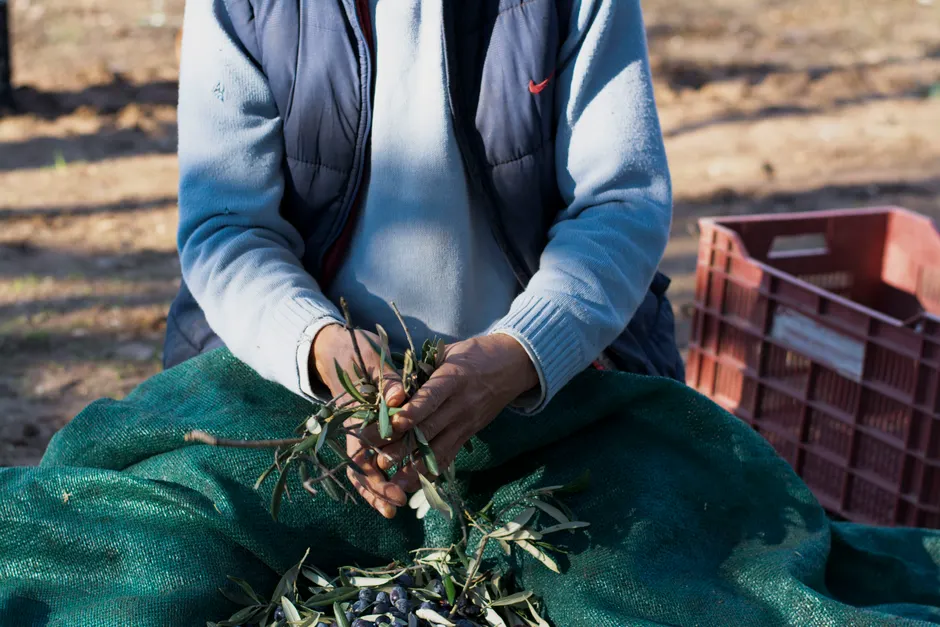
Ali Hassan Yasser al-Bazzari, 44, from Burqa northwest of Nablus, was killed on October 7 in an attack on Palestinians harvesting olives near Burqa west of Nablus, the Palestinian Ministry of Health said. Al Jazeera Reuters reported that a Palestinian was killed on Wednesday during an Israeli settler attack while Palestinians were harvesting olives near the village of Burqa. Reuters
Palestinian authorities said 16 other people were wounded. They described the assault as a settler attack carried out under the protection of Israeli forces in the northern occupied West Bank. The West Bank is Palestinian territory that Israel has controlled since 1967, where Israeli settlers live in separate communities.
Wafa news agency, citing local sources, reported that several of the wounded, including a woman, were taken to hospitals in Tulkarem and Nablus. The toll remains fluid.
The Palestine Red Crescent Society said its teams treated five people in the Burqa area. Two had gunshot wounds and three had been beaten.
The Red Crescent also said Israeli forces assaulted ambulance crews trying to reach the injured and briefly detained three paramedics and a volunteer. Access to the injured was interrupted in that first response. The organization did not report detention beyond that brief holding.
A second harvest-related confrontation was reported the same day near Anata in the central occupied West Bank. Wafa said Israeli forces and settlers assaulted several Palestinians harvesting olives there. Tasnim News reported on October 7 that 12 people were injured in attacks on olive harvesters in the West Bank. Tasnim News
Reuters published a report on October 7 titled "Palestinian killed in Israeli settler attack during olive harvest, officials say," credited to author Mohammed Torokman. Al Jazeera published a report on October 7 titled "Palestinian killed, several injured in Israeli pogrom in occupied West Bank." Both centered on Burqa and the olive harvest. Tasnim's parallel account carried a lower injury total.
The October 7 killing followed earlier harvest-season incidents tracked by WAFA. On October 6, WAFA published a report on settlers attacking Palestinian women harvesting olive crops in a northern West Bank village. On October 3, WAFA published a report on Israeli settlers attacking Palestinian farmers picking olives in the West Bank. WAFA has also reported a wave of Israeli settler attacks across the West Bank as farmers began this year's olive harvest.
WAFA, citing official Ghassan Daghlas, reported that settlers chopped 50 olive trees on land belonging to Deir Sharaf, west of Nablus, in a report published February 28, 2023. More recently, Reuters published a report on October 1 titled "Israeli settlers kill Palestinian in West Bank, officials say." Reuters reported that Israel's military and settlers have killed more than 80 Palestinians in the West Bank since the beginning of 2026. Reuters
The broader context here is practical, not just a single clash. The olive harvest — a short autumn season when families must work together in open, scattered fields — puts many civilians outside at predictable times. That raises exposure and leaves little time for protection monitoring and medical evacuation when violence starts. It also helps explain the competing tallies, with field medics, hospitals, health officials and wire services each counting at a different point.
Looking ahead through the rest of the harvest, three variables are worth tracking closely. First, whether medical-access incidents recur, since obstruction and brief detention of crews affect both care and records. Second, whether incidents remain geographically dispersed, with Burqa in the north and Anata in the center pointing to more than one friction point. Third, how blame is assigned between settler and military action, since Palestinian authorities allege direct force protection in Burqa. That claim shapes legal and diplomatic questions and will need independent corroboration.


