Gap and Whitney unveil Lichtenstein clothing range
Gap and the Whitney Museum in New York have made Roy Lichtenstein wearable. The American retailer and the museum of American art have unveiled a joint clothing collaboration built around the artist's work, ARTnews reported on 7 October. The result is an 18-piece range of clothing and accessories.
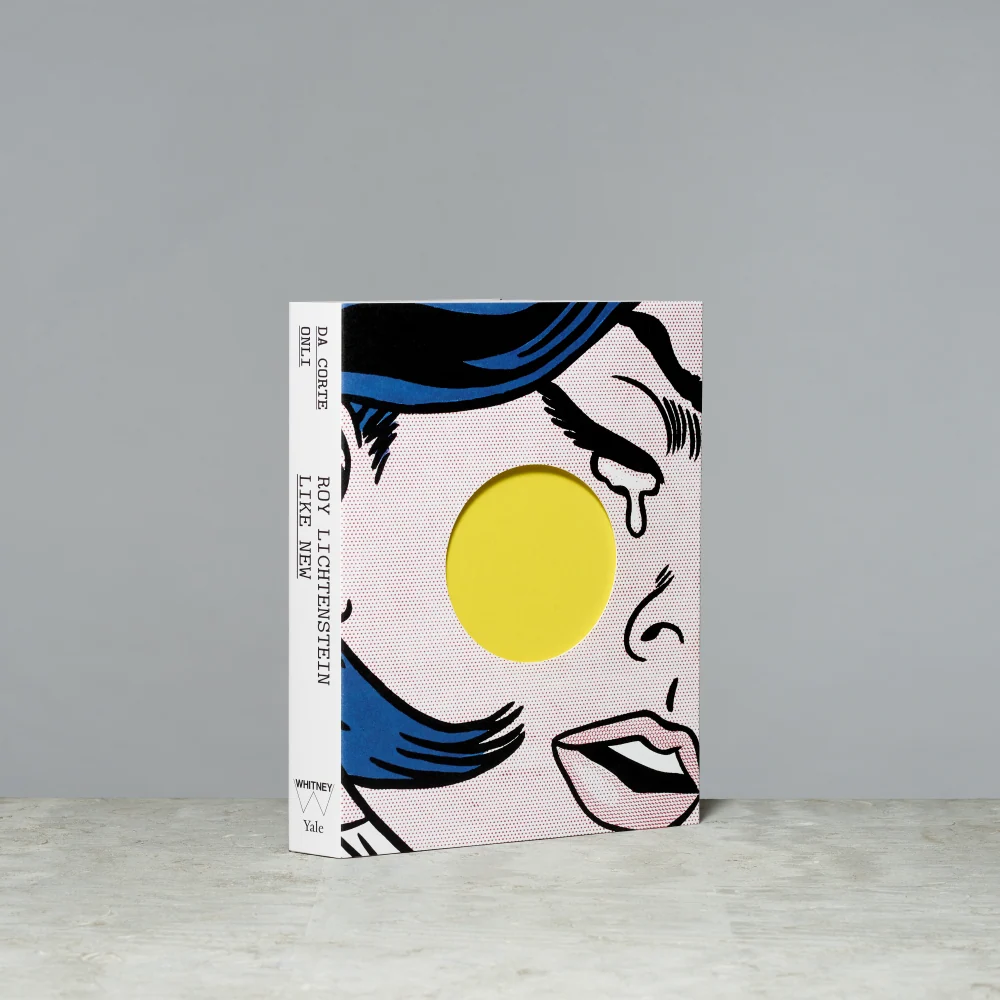
The timing is deliberate. The collection was released in connection with Like New, the Whitney's exhibition focused on Lichtenstein, according to Hypebeast. Visitors can see the show at the museum in Manhattan and find the related range through its retail channels.
A third name sits on the credits. The collaboration involves the Estate of Roy Lichtenstein, the organisation that administers the late artist's work and image rights, as listed by the Whitney Shop. That kind of sign-off is normal when art moves onto commercial products. It covers permission to use the images.
Some background helps for new readers. Gap is a US high-street retailer known for everyday staples such as denim, T-shirts, hoodies and basics that suit all ages. The Whitney, based in New York, collects and shows American art from the 20th century to the present. Its shop regularly stocks books, prints and goods linked to its exhibitions.
What makes this stand out is the mix. Galleries rarely stay on the walls these days. High-street rails rarely carry direct exhibition links. Bringing museum, brand and estate together closes that gap between viewing and wearing.
For fans, this means an easy entry point. You do not need prior knowledge of post-war American art to follow the story. You can follow the link between show and shop without knowing the full back catalogue.
Museum ranges like this usually live online first. The Whitney lists the full 18 items through its shop pages, where shoppers can browse the clothing and accessories. Sizes, colours and availability can differ from item to item, so the listing is the place to check.
Gap stores and websites carry the company's wider basics all year. This collaboration is narrower. It ties one retailer, one museum and one estate to one exhibition.


