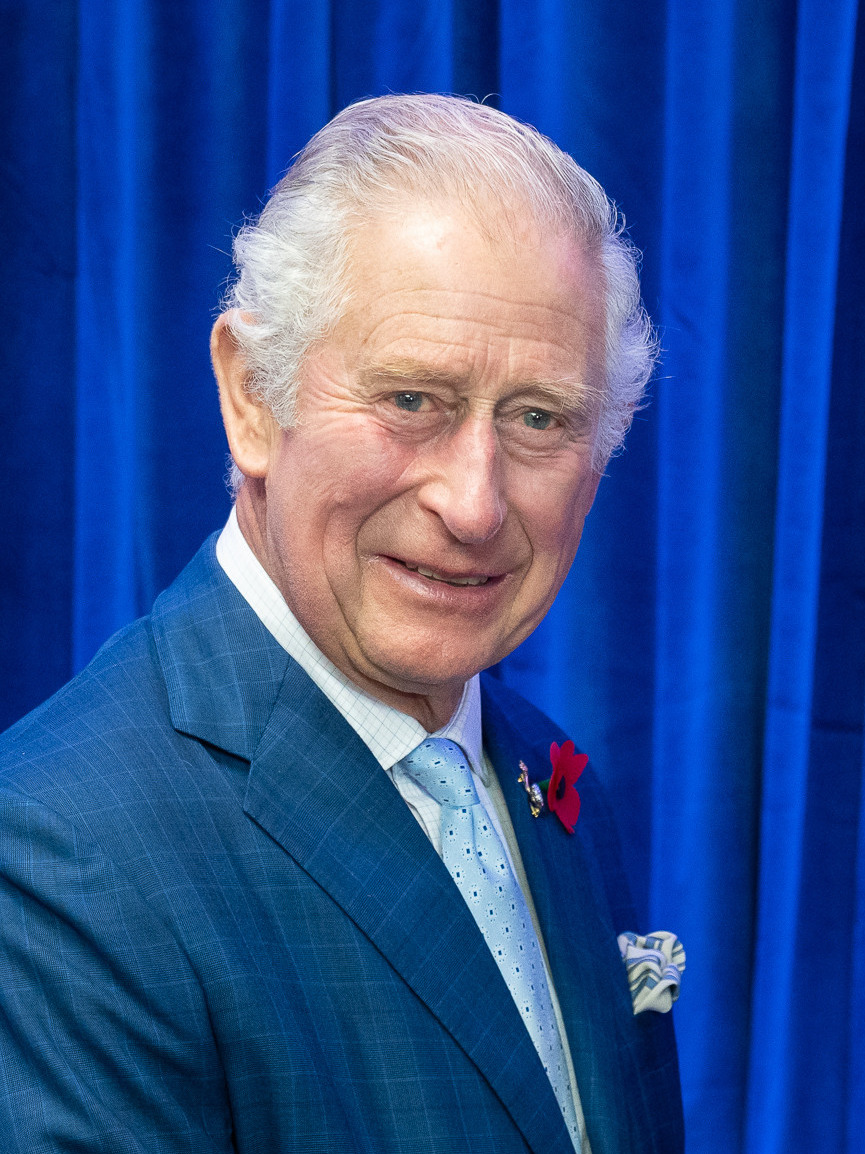
David Reuben Has Been Tax Resident in Monaco Since 2014, Records Show

David Reuben has been tax resident in Monaco since at least 2014, despite reports this month that the 88-year-old billionaire had just left London for the principality to get ahead of a possible UK wealth tax.
TaxWatch research dates his Monaco tax residence to at least 2014. A spokesperson for Reuben confirmed that history to The Guardian. Mike Lewis is the director of TaxWatch.
The correction follows a Sunday Times report that Reuben had left his house in Holland Park in London to live full-time in Monaco, with the reported move linked to possible wealth taxes in the coming UK budget. The Times published the story on 3 October as "Billionaire ranked second on Rich List quits UK for Monaco" The Times. A separate report on 4 October put the property tycoon's wealth at a reported £9.9bn Yahoo Finance.
The paperwork shows an earlier date. In July 2019, paperwork filed at the UK company registry when David Reuben became a director of the Reuben Foundation listed him as "usually resident" in Monaco. In 2024, he gave a signed statement to a Los Angeles court that said: "I reside in Monaco. I have resided there for approximately 10 years."
Tax residence here means the country that treats him as a taxpayer. Reuben shares almost £28bn in estimated combined wealth with his brother Simon Reuben, 85. Simon Reuben has lived in Monaco for 40 years after moving there for health reasons while he had cancer. David Reuben holds shares in Newcastle United. Monaco charges no income tax, no capital gains tax on profits from sales, and no inheritance tax on estates.
The Reuben name has long appeared near the top of British wealth rankings while the brothers were based for tax purposes outside the UK. In the 2020 Sunday Times Rich List, David and Simon Reuben were joint second with £16bn from property and the internet, in a year when James Dyson ranked first. TaxWatch had already called the Reuben Brothers the UK's second richest family, although tax resident in Monaco, and listed them as offshore billionaires in the hospitality sector.
That history connects to a current debate about taxing very high wealth. A 2% UK tax on wealth above £10 million would affect about 20,000 people and could raise up to £24 billion a year Reuters.
The broader context here is the difference between tax residence as a legal record and a move as a news story. The documents point to continuity since the mid-2010s, not a departure in October 2026. In my view, that matters because single cases are often used to predict how wealthy people will respond to higher rates or new taxes. For the Budget debate, the key questions are how much revenue such a tax would raise and whether it can be enforced when wealthy taxpayers are mobile.