Building Collapse at Pakistan Tutoring Center Kills 14 Children, Exposing Safety Gaps
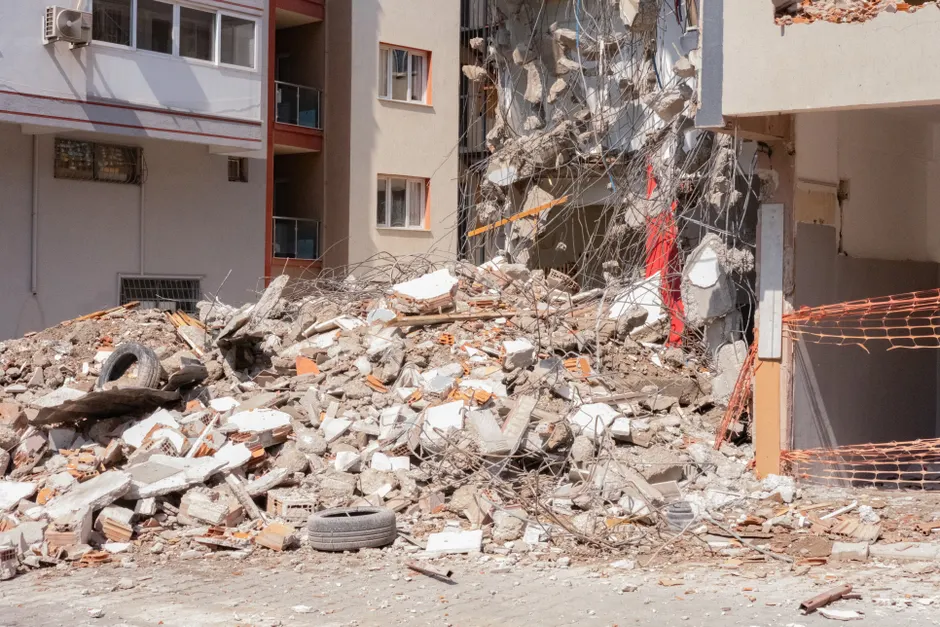
At least 14 children between the ages of 4 and 12 were killed on June 30, 2026, when the roof of a private tutoring centre collapsed in Lahore's Kahna area, according to AP News and The Straits Times. The children were trapped under rubble while attending classes. Five others, including at least one teacher, were injured. Police have confirmed the collapse at the facility.
The Context: An Unregulated Sector
Pakistan's private tuition industry operates with minimal oversight. Tutoring centres and coaching academies typically rent converted houses or older buildings across major cities, often without any structural inspection before they open or while they're in use. In Lahore—Pakistan's second-largest city with roughly 14 million people—these informal education spaces fill a gap. The country's public school system is stretched thin and under-resourced, so families pay for supplementary tutoring to help their children keep up. The buildings themselves are frequently old, built before modern safety standards, and neither landlords nor operators face strong legal requirements to maintain them properly.
Structural failures at informal educational facilities are not new to Pakistan's urban landscape. A major factory collapse in Lahore in 2015 and repeated incidents in Karachi's garment district have occasionally sparked calls for stronger building codes, but enforcement has rarely followed. The monsoon season — Pakistan's heaviest rains run from late June through August — puts extra stress on aging buildings, especially those with flat roofs where water can collect and cause gradual structural damage.
What Failed, and Why It Matters
Investigations of similar collapses typically point to three causes: substandard or cheap construction materials, unauthorized changes to load-bearing walls or supports, and neglected maintenance over time. As of June 30, which of these factors caused the Kahna collapse has not been established in reported accounts.
The deeper issue here is a regulatory blind spot. Tutoring centres and coaching academies in Pakistan do not fall clearly under anyone's responsibility for safety inspection. Registered private schools face oversight from provincial education departments. Municipal governments handle building codes for commercial properties. But informal tutoring centres sit in the gap between both—each authority assumes the other is responsible. That jurisdictional ambiguity has been lethal before. It has created the conditions for tragedy again.
The death toll of 14 makes this one of the deadliest single-building collapses involving children in Punjab's recent history. Investigations of past incidents have occasionally led to First Information Reports—official police complaints filed against property owners—but convictions are rare. The informal construction economy in Pakistan is deeply tied to local real-estate deals and municipal revenue, which has consistently prevented meaningful accountability.
As of the time of writing, Punjab's Chief Minister and federal officials have not issued formal public statements. The path forward remains unclear, but incidents of this magnitude have previously prompted provincial inquiries and renewed debate about regulation.


