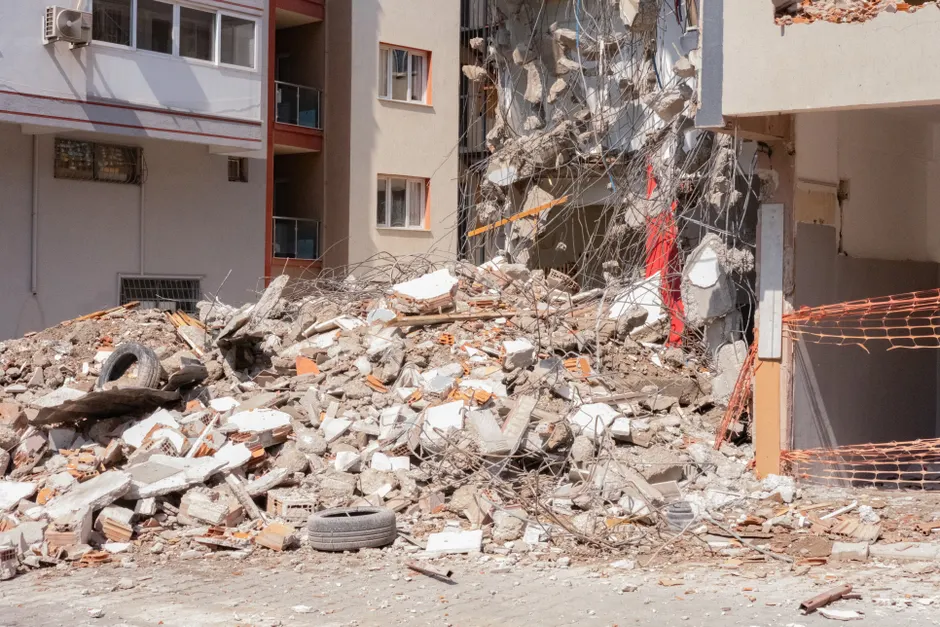
Roof Collapse at Lahore Tutoring Centre Kills Fourteen Children—and Exposes a Regulatory Gap

Fourteen children and a 30-year-old female teacher were killed or injured on June 30, 2026, when the roof of a tutoring centre collapsed in Lahore's Kahna area, according to Reuters, AP News, and KFGO. The collapse occurred during active construction at the centre, according to AP News—a detail that will focus investigation on whether the building should have remained in use while renovation work was underway.
Kahna is a densely populated district on Lahore's periphery, where private tutoring centres are standard fixtures. Most operate out of converted houses with little formal oversight of structural capacity or safety during renovation. In Pakistan, building-safety enforcement has a documented track record of inconsistency. The country has experienced repeated structural failures—factory collapses, market disasters, mosque breakdowns—typically involving substandard materials, unlicensed construction, and gaps in municipal inspection.
Tutoring centres occupy a regulatory blind spot: they fall between educational institutions and commercial premises, so they receive less scrutiny than larger public buildings. When construction or renovation is underway, structural risk increases significantly. Added weight, compromised supports, and vibration from drilling or demolition can weaken ceilings that would otherwise be sound.
The investigation ahead will centre on three critical questions: whether the centre held proper permits for the construction work, whether a structural engineer assessed the building before students remained inside, and who made the decision to keep students there during renovation. As of publication, Punjab authorities have not issued a formal statement on inspections or legal responsibility, though such announcements typically follow the immediate rescue phase.
This incident arrives as Pakistan's federal and provincial governments face mounting scrutiny over public-service delivery. Education infrastructure has been a recurring pressure point. Official enrolment figures often mask how much low-income families rely on private tutoring to supplement overcrowded or underperforming public schools. The children in Kahna were there because state education was not meeting their families' needs. That does not change legal accountability—but it illuminates the systemic conditions that placed them in that room.
Rescue operations were ongoing as reports emerged. The injured are in treatment, though full counts and conditions had not been confirmed across all sources by publication. The teacher recovered from the rubble underscores a secondary vulnerability: tutoring-centre staff, typically hired informally without employment protections, face the same risks as their students.