From Joke Party to Gen Z Movement: India's Cockroach Protests Explained

Abhijeet Dipke, founder of the Cockroach Janta Party, now leads a wide movement rooted in Gen Z frustration in India. New York Times He is 30. BBC He recently graduated from Boston University. New York Times
Dipke founded the party as a joke. New York Times The joke followed an insult by a judge directed at young people. New York Times It snowballed from a joke into a generational movement. New York Times The BBC describes Dipke as the founder and face of India's Gen Z "cockroach" protests. BBC
His party has been described as a voice for young people who feel let down by the government. New York Times Dipke became the face of India's first Gen Z protest movement. Reuters Anger over exam leaks fueled an anti-government street movement. Reuters
The immediate trigger was examinations. Protesters demanded the education minister's resignation over leaks of the national medical school entrance test paper in May. CNBC The Cockroach Party called for the minister's resignation over alleged examination irregularities. Associated Press
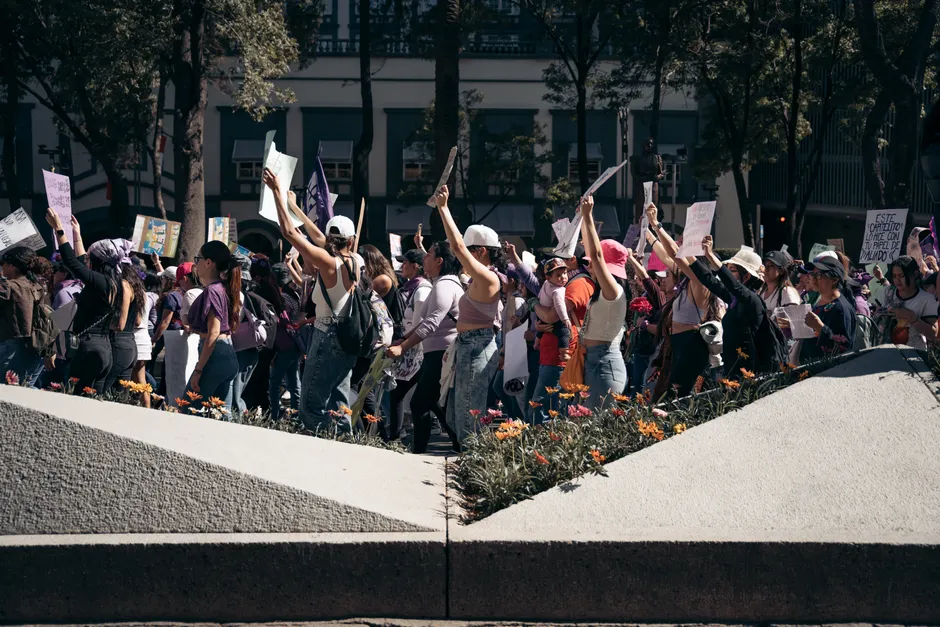
Tactics escalated through July. By July 14, an activist demanding the minister's resignation over the leaks had entered the 17th day of a hunger strike, refusing food as protest. Reuters Dipke led a street protest in New Delhi demanding Pradhan's resignation. Reuters
India's education minister resigned on July 25, 2026. CNN The resignation followed days of 'Cockroach' youth protests over exam paper leaks. CNN The youth protests forced exam reforms after the minister quit. Reuters
The broader context here is the weight of gatekeeper examinations in Indian public life, the high-stakes tests that decide who moves ahead. For aspirants, a leaked paper is not an administrative error. It means lost preparation time, lost fees, and lost trust that merit decides outcomes. A movement that names that injury in plain, satirical language can mobilize outside established student unions and opposition parties. Turning a stigmatizing label like cockroach into shared identity lowers the cost of joining and creates visual coherence on streets and feeds.
Looking at what this means for institutional politics, the sequence from insult to joke party to street pressure to resignation shows a permeable channel between youth politics outside formal institutions and official accountability. Resignation and exam reform answer the proximate demand. They do not resolve the underlying contracting problem around test security, paper setting, coaching markets and redress. For policymakers, the risk is repeated contention each examination season. For the movement, the dilemma is conversion. Protest energy is liquid. Party building requires organizers, finance and a program beyond examinations.