Deadly Floods Swamp Ghana's Capital, Exposing Infrastructure Weaknesses
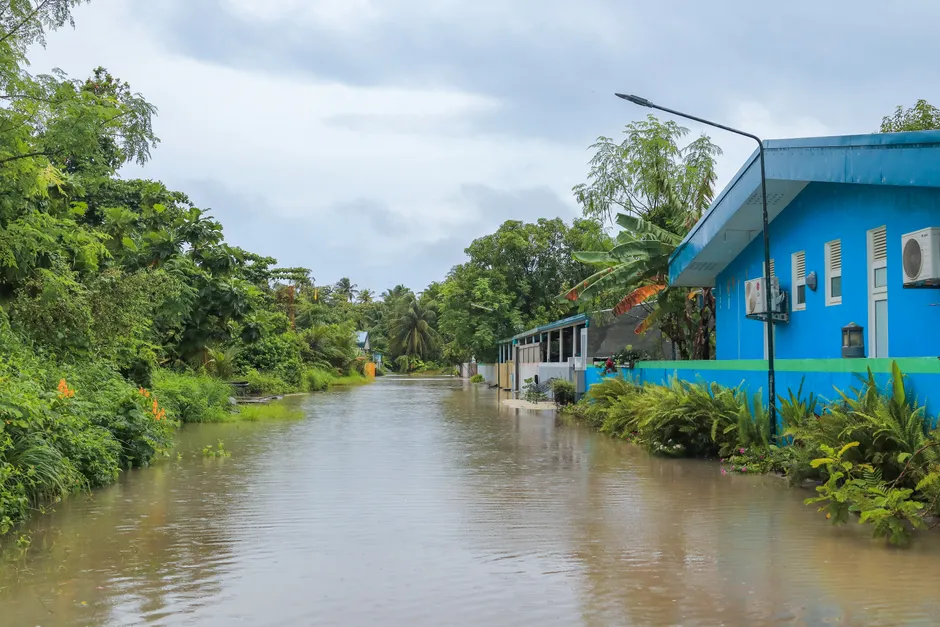
At least 12 people have been killed after heavy rainfall triggered widespread flooding across Accra, with the Alajo neighbourhood among the worst-affected areas. Homes, roads, and vehicles were submerged as the city's drainage system was overwhelmed by the deluge, according to Reuters.
The Greater Accra Regional Fire Service and Ghana's National Disaster Management Organisation (NADMO) launched rescue operations as floodwaters spread through multiple districts, AP News and Reuters reported on June 29. A travel warning was issued for the capital as responders worked to reach stranded residents.
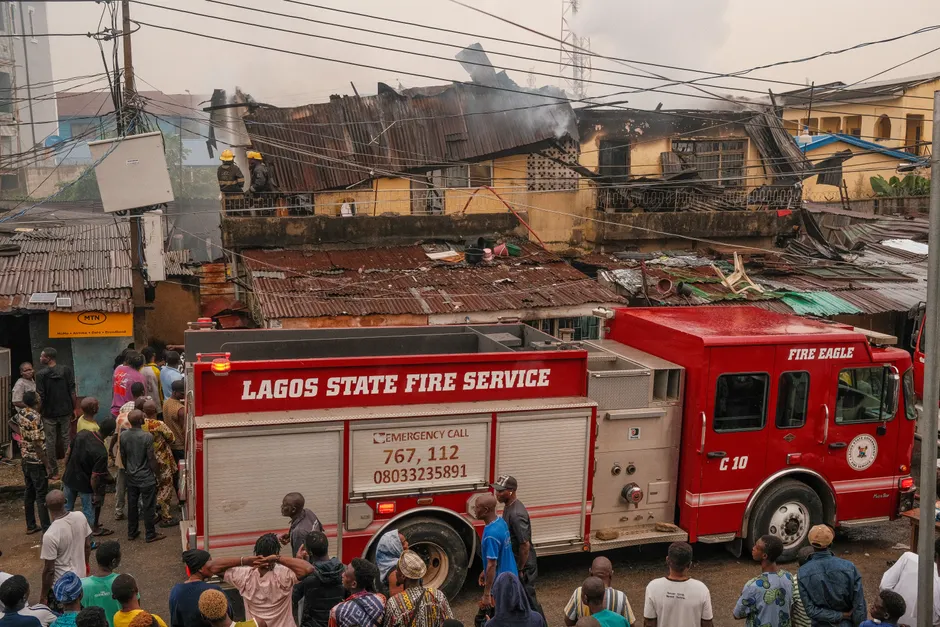
The crisis deepened when a rubber factory in Accra caught fire during the flooding. Standing water severely hampered firefighters' access to the site, Al Jazeera reported. With two emergencies unfolding simultaneously, response teams stretched thin — NADMO and fire services were already under strain from the sheer scale of the flooding.
Why Accra Floods Like This
Accra's flooding problem runs deep. The city has grown rapidly over recent decades, with much of that growth happening in informal settlements — neighbourhoods built without formal planning or infrastructure investment. As the city expanded, concrete and buildings replaced soil and vegetation that once absorbed rainwater. The result: water that should soak into the ground instead flows across streets and into homes.
The drainage systems designed decades ago are undersized for today's population. The Odaw River basin, which drains much of the capital, repeatedly floods when heavy rains arrive. Low-lying areas like Alajo take the brunt of the damage. Over the past decade, such flooding has become more frequent and more severe — a pattern documented by Ghanaian authorities and climate adaptation specialists.
What Comes Next
The broader context here matters for understanding what Ghana faces. NADMO has drawn criticism for responding to floods after they happen rather than preventing them in the first place. Each year brings similar scenes — evacuations, casualties, homes destroyed — and each time, city planners and national officials face fresh pressure to invest in modern drainage and enforce building codes in areas that flood regularly. A major industrial fire hitting during an active flood emergency will likely intensify that debate, particularly questions about where factories should be sited and whether fire services have adequate access to flood-prone areas.