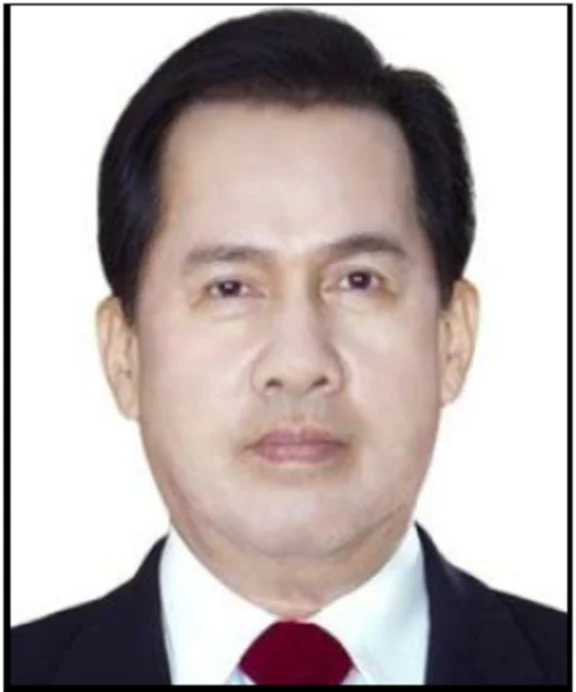
ICC Rules Duterte Fit to Stand Trial Before November Opening

International Criminal Court judges ruled on October 8, 2026, that former Philippine President Rodrigo Duterte is fit to stand trial on charges of crimes against humanity. The ruling clears the last medical issue before trial proceedings scheduled to open on November 30, according to the ICC.
The judges based the decision on the unanimous assessment of three independent medical experts appointed to examine the 81-year-old defendant. The experts concluded he is mentally able to understand the evidence against him and to discuss his defence with his lawyers, according to Al Jazeera. The panel also found he can understand the charges and follow proceedings. The judges said they were satisfied he can effectively use his fair-trial rights, the basic protections for defending oneself in court.
Duterte faces charges of crimes against humanity, a legal term for widespread attacks on civilians, in connection with the war on drugs while he was in office. Prosecutors allege murder and attempted murder, accusing him of involvement in dozens of killings by police and government hit squads acting on his orders. He denies the charges. He says he only ordered police to act in self-defence as part of the anti-drugs campaign.
He remains in custody after judges denied his request for release. Conviction carries a maximum sentence of life imprisonment. Duterte served as president of the Philippines from 2016 to 2022. He was arrested in the Philippines in March 2025 and transferred to ICC headquarters in The Hague, becoming the first Asian former leader arrested by the Court. His legal team had sought dismissal on medical grounds, arguing serious memory loss left him unable to absorb new information or reliably recall the past. Estimates of the death toll vary sharply. National police report more than 6,000 deaths. Human rights groups claim up to 30,000.
The broader context here is procedure unlocking substance. Arguments over fitness often work as an early test of whether a high-profile accused can be tried at all. With unanimous expert backing, the November 30 opening is shielded from immediate challenge on competence grounds. That shifts the focus to command responsibility, or what orders he gave, linkage evidence connecting him to killings, and which casualty count the court finds credible.
Looking to the weeks ahead, the detention decision matters as much as the fitness finding. Continued custody in The Hague keeps control of the proceedings with the Court and limits the ability of domestic politics to intrude on trial preparation. The defence claim of self-defence and the prosecution claim of hit squads now head toward direct testing in open court. For an institution whose authority depends on showing fair-trial guarantees even for former heads of state, the handling of an elderly defendant under medical scrutiny will be watched closely.