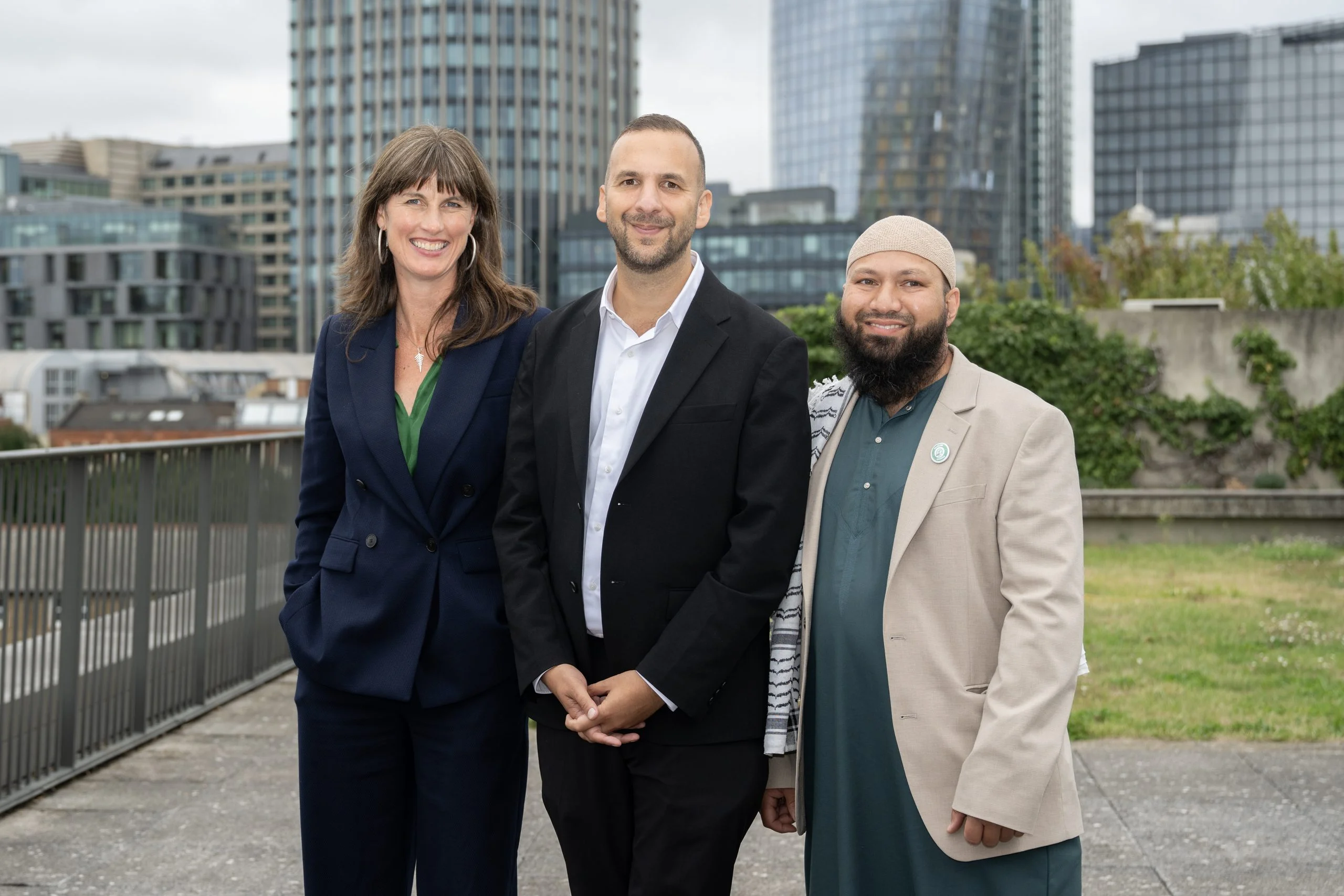
Labour Holds Holborn and St Pancras as Greens Move Into Second

Labour retained Holborn and St Pancras in the parliamentary by-election held on 8 October 2026. Labour candidate Sagal Abdi-Wali polled 12,292 votes, with Green Party leader Zack Polanski second on 8,928 votes. Turnout was 38.7%.
The result was reported on 9 October 2026 The Guardian. UK Parliament lists 8 October 2026 as the polling date for the contest in the north London seat UK Parliament. Polanski's second-place finish was confirmed in live results coverage BBC.
The seat was vacant. Former prime minister Keir Starmer resigned the seat in September, a resignation dated by Parliament to 1 September 2026. Labour was the governing party at the time of the October vote Reuters. Andy Burnham was prime minister when the result was declared.
Abdi-Wali entered the contest as leader of Camden council. She came to the UK from Somalia in the 1990s as a child refugee. Camden Council's Statement of persons nominated listed Sagal Abdi-Wali as the Labour Party candidate for the by-election. The same council's results for the 5 May 2022 local elections list Sagal Abdiwali as a Labour candidate with 1,275 votes.
The 2024 baseline in the current constituency was a Labour hold with an 11,572 majority. In this setting, majority means the gap between winner and runner-up. At that general election, Starmer won 18,884 votes, or 48.9% UK Parliament. Left-wing independent Andrew Feinstein came second, with 7,312 votes, or 18.9%. Green candidate David Stansell took 4,030 votes, or 10.4%. Parliament's records note that the former Holborn and St Pancras constituency ceased to exist following the boundary change in 2024.
The broader context here is a governing party defending a seat last won by its former leader. A hold preserves Labour's parliamentary position and avoids the political cost of losing Starmer's old constituency under a new prime minister. The vote totals also describe a different opposition field from 2024. The second-place position moved from an independent to the Greens, and the Green vote in absolute terms rose from 4,030 under Stansell to 8,928 under Polanski, while Labour's winning total moved down from 18,884 to 12,292.
Looking at what this means for how Westminster will read the result, turnout and incumbency effects matter. A by-election is a single-seat vote held between general elections to fill a vacancy, and a 38.7% turnout — the share of registered voters who voted — is normal territory for that kind of contest and limits direct comparison with general-election vote shares. For specialists, the questions to track are whether Labour can stabilize its vote in metropolitan seats where the Greens are now the principal challenger, and whether the Green leadership's decision to contest the seat directly converts visibility into durable constituency organization. Neither can be settled from one night's figures. The fact that stands is retention: Labour held, with a Camden-rooted successor, in the first electoral test of the seat after Starmer's departure.