Apple and LG's Rumored Tap-to-Control Home Devices, Explained

An X account posting as pdfu has published what it claims are new details of rumored Apple home accessories developed with LG, centered on an NFC interaction called "Proximity Control."
According to the leak, holding an iPhone close to a compatible accessory brings up a hint in the Dynamic Island, the pill-shaped area at the top of recent iPhones that shows live alerts and controls, which opens controls for that device. That would reduce the need to hunt for the device in the Home app or ask Siri. The Verge reported the details on October 9, 2026, and noted the feature is described as running over Matter, the shared smart-home standard, while staying specific to Apple Home. The transport is standards-based. The behavior is not.
pdfu claims code references to the tap-to-control interaction have been present since iOS 27.0. That matches an independent find by MacRumors' Aaron Perris, who spotted HomeKit code in an iOS 27.2 test release pointing to smart home controls shown in the Dynamic Island. MacRumors published its report on the iPhone features on October 9, 2026.
The leak follows an earlier disclosure, also reported by The Verge, describing a "tap to setup without power" pairing flow for the same hardware family. In practice, NFC, the short-range radio used for contactless payments, would pass along credentials and network settings before the accessory is powered on. For installers, that removes a step. For users, it shortens setup.
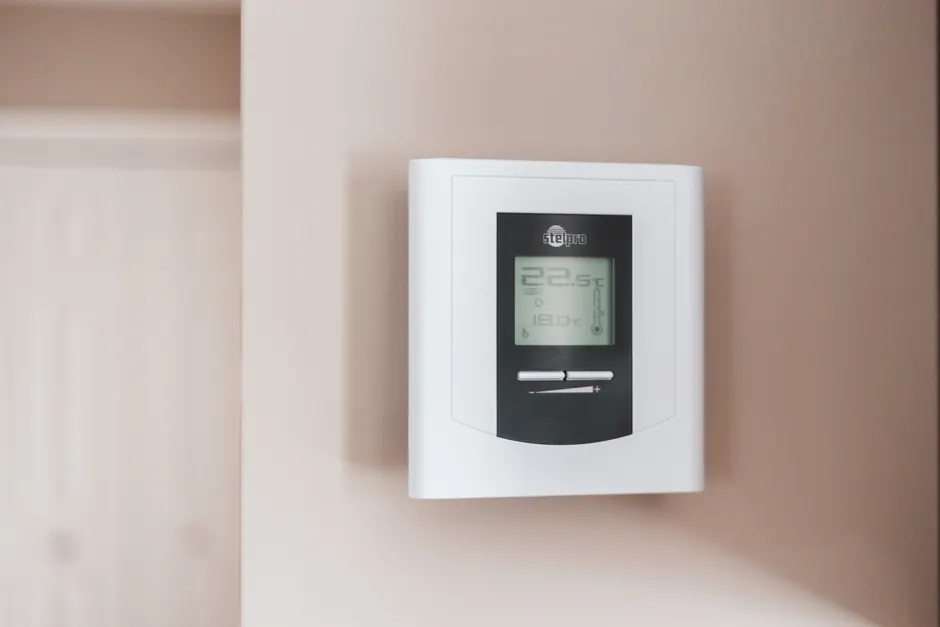
The hardware scope, as described by 9to5Mac, covers a smart lock, a thermostat, cameras and a doorbell. 9to5Mac described the LG-co-developed line as "second-party" HomeKit products and reported on October 9, 2026 that Proximity Control would work as an iPhone-only feature for those products.
Apple has a "Welcome home" event scheduled for October 13th. The Verge reported the event could include a new smart home hub with a display, an updated HomePod Mini and a new Apple TV.
The broader context here is the split between Matter as shared transport and Apple-specific tap behavior. Enthusiasts will recognize the pattern from phones and PCs. A common standard handles basic communication, while each company adds its own interface on top. If the leak is accurate, Apple is using physical closeness and a temporary on-screen panel to cut down taps and searching, while tap-to-setup lowers the cost of getting started.
In my view, that combination may hold up better than another app redesign, because it tackles two lasting pains in smart homes, finding the right control and getting devices installed. I watched my own kids ignore the smart-home apps entirely until control appeared where they already were. For accessory makers, the practical trade is to support Matter for reach and tune for one tap flow for ease of use. That choice will affect testing and help guides more than radio choice. If execution matches the leak, there is reason for quiet optimism about wider uptake.