Trump Chooses Katie Zacharia as Press Secretary: What We Know

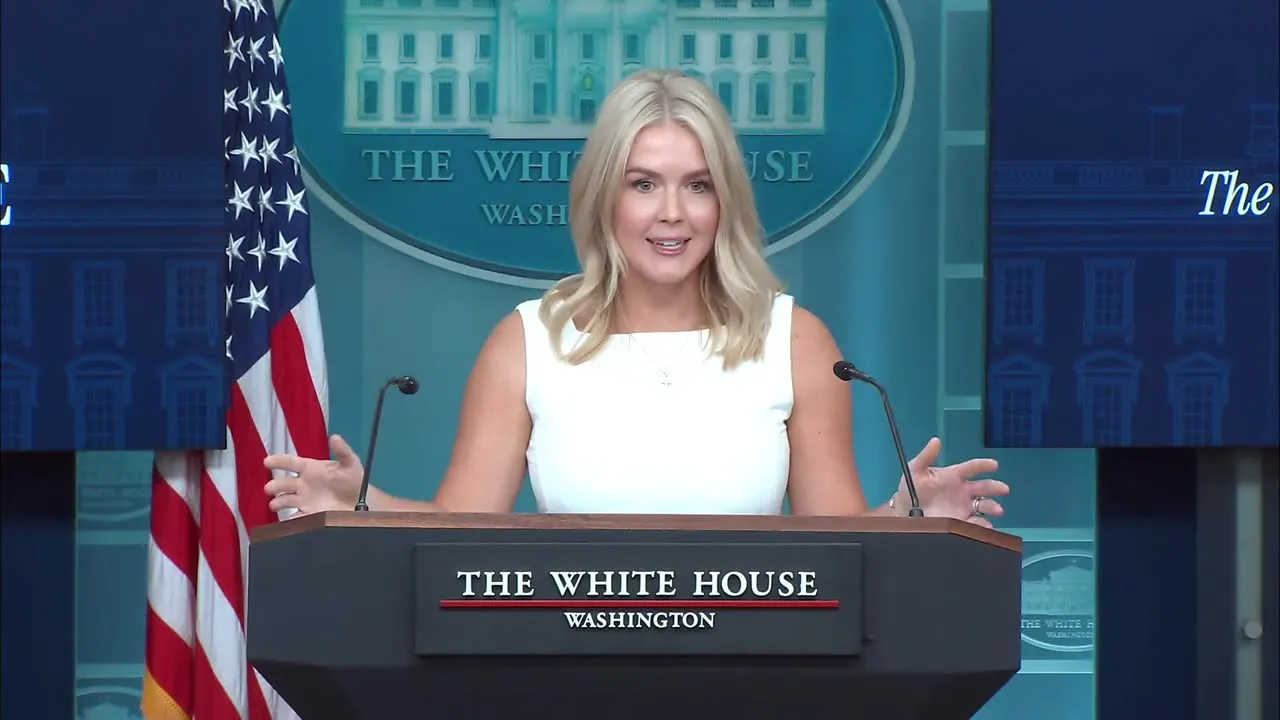
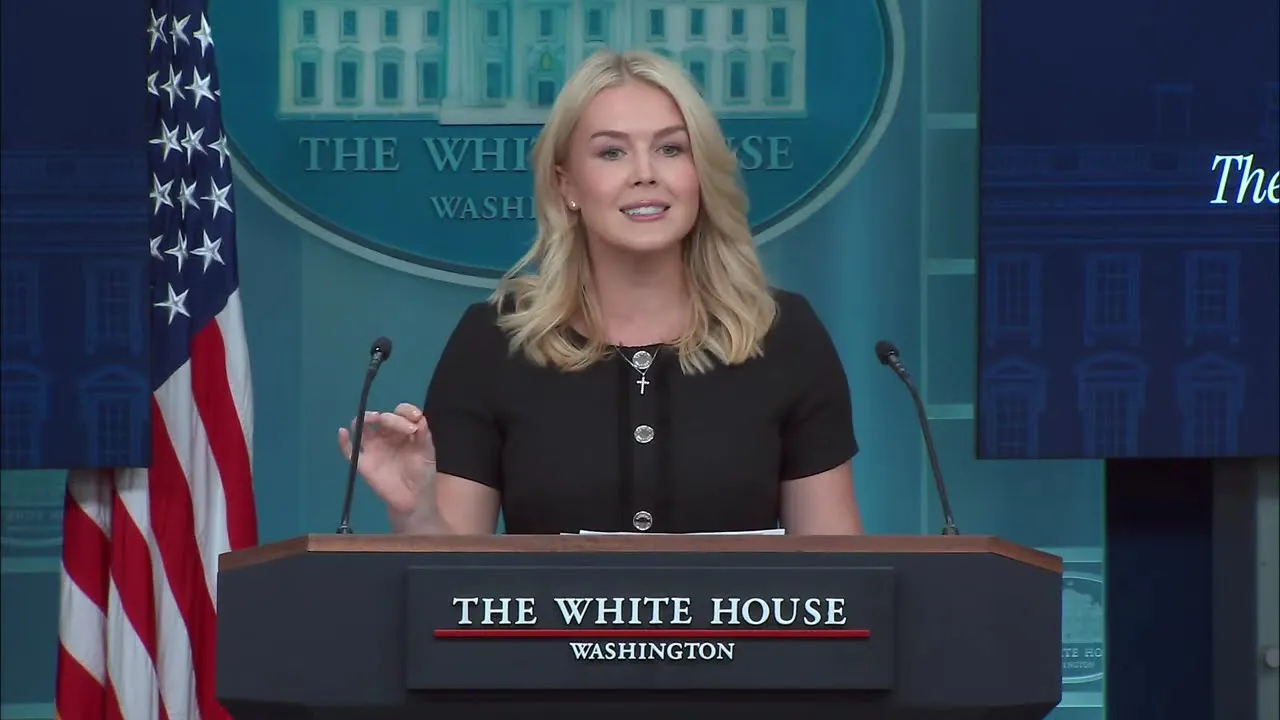
Donald Trump has chosen conservative commentator Katie Zacharia to be the next White House press secretary, according to a White House official. The Guardian
She would replace Karoline Leavitt. Leavitt left the role at the end of August after the birth of her second child. The Guardian
The New York Times first reported the choice. It was not immediately clear whether Zacharia had accepted the position. The Guardian
Zacharia previously worked as a spokesperson for the Department of Homeland Security. Later coverage described that time in the job as brief. CNN She serves as a communications adviser for the Trump Media and Technology Group, which owns Truth Social. The Guardian
On October 9, 2026, Reuters also reported that Zacharia had been picked for the role, in an item written by Jasper Ward. Reuters
The announcement leaves two formal steps unresolved. The first is acceptance. The second is a start date. In the reported accounts, the White House has not detailed either point, and the selection was described as a choice rather than a completed appointment.
The broader context here is about the job itself, not only the person. The press secretary leads the daily briefing, approves language reporters can quote directly, what journalists call on the record, and manages daily contact with the accredited press corps, the reporters cleared to cover the White House. Like a translator between government and public, that work shapes how policy is explained in Washington and how it is heard abroad. Consistency and access to answers carry weight for governments and reporters who read official wording closely.
Looking at what this means for the White House, the gap matters as much as the name. When the podium is empty, other officials speak and direct statements from the president fill the space. That can blur which voice gives the official line on a given day. It can also leave a new spokesperson with little time to set briefing routines, agree on ground rules with reporters, and build internal approval steps before sustained questioning on domestic and foreign policy.
In my view, the questions to track are practical. How quickly acceptance is confirmed will affect staffing and briefing plans. How the new secretary works with the press corps will shape information flow in both directions, from the administration outward and from reporters inward. And how closely podium language matches language from departments and presidential channels will affect how audiences at home and abroad understand American positions. The announcement alone settles none of those outcomes.