Why the Yen's 40-Year Low Matters—and Why Tokyo's Threats May Not Stop It
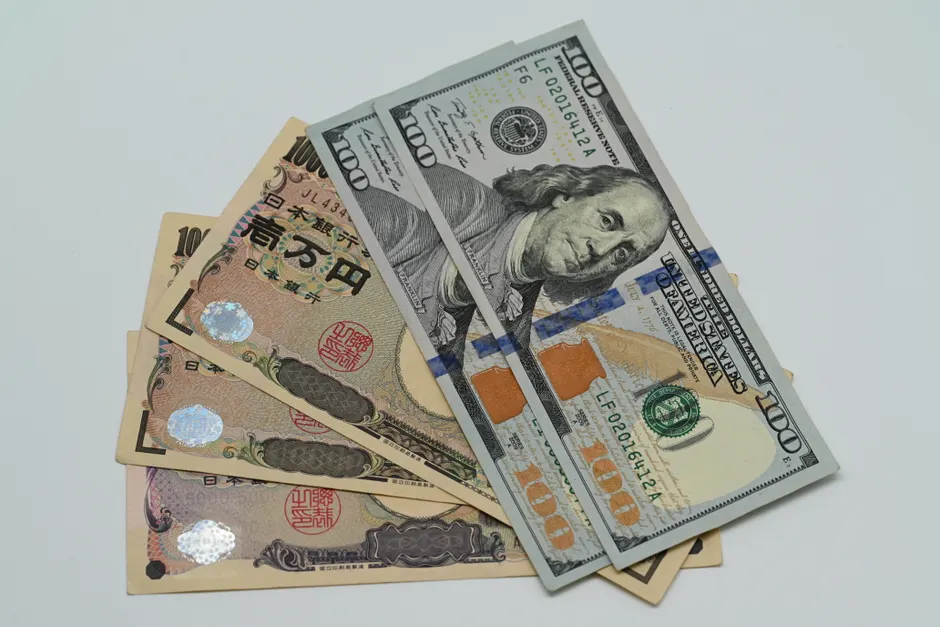
The dollar hit 162.77 yen in early Asian trading on July 1, 2026, marking a fresh four-decade high, according to Reuters. The pair had already touched 162.66 on June 30—the highest since 1986—and pushed through again overnight.
The real moment came when USD/JPY broke 161.96 on June 30. That level had held firm through weeks of verbal warnings from Tokyo—finance ministry officials issuing statements about "excessive" currency moves—but once it cracked, Japan Times reported that traders stopped taking those threats seriously. Verbal intervention, or jawboning, works like a warning shot: it can trigger a one-day bounce as traders cover their bets, but it doesn't address why they placed those bets in the first place.
The why is mechanical. The Federal Reserve has kept interest rates at restrictive levels. The Bank of Japan, despite inching rates higher, still sits well below U.S. rates. That gap creates a carry trade: a trader borrows yen at, say, 0.5%, converts it to dollars, and locks in 5% U.S. rates, pocketing the difference as long as the yen doesn't strengthen too sharply. Each day this spread persists, the trade becomes harder to unwind profitably. Verbal warnings don't make the spread disappear.
The Intervention Question
Japan has the machinery to step in. The Bank of Japan acts as agent for the Ministry of Finance, which controls the foreign exchange fund and can deploy it to buy yen and sell dollars in the spot market. The market is betting whether Tokyo will use that power at scale, and if so, when.
History offers a playbook. In autumn 2022, Japan spent roughly ¥9.2 trillion—over $60 billion—across three rounds of yen-buying, pushing USD/JPY back from the 150s. It worked, but only temporarily. Once the Fed signalled more tightening ahead, the dollar resumed climbing. Today's setup echoes that moment: a strong dollar powered by yield differentials, a yen near multi-decade lows, and a publicly concerned Ministry of Finance.
One technical choice facing the BOJ is sterilization. When you buy yen and sell dollars, you inject yen into the financial system, which can loosen monetary conditions. Sterilized intervention drains that liquidity to keep policy tight. Unsterilized intervention is simpler and sends a stronger signal of commitment, but it can clash with the central bank's broader direction. The BOJ has studied both approaches. Operationally, it has both the tools and the track record to deploy them.
What traders are really trying to guess is whether 162–163 is the do-or-die level where Tokyo finally acts in force, or just another waypoint on the way to 165. The WSJ reported that markets were on alert—but alert and defensively positioned are not the same. A market fully hedged against intervention has already priced in its effects. That gap between preparation and surprise is where the real risk for traders lies.
What Actually Moves the Needle
Spot intervention—direct currency buying—buys time. It does not fix the problem unless it comes with a credible shift in the interest rate gap itself. That would mean either the BOJ raising rates in a way the market believes will persist, or the Fed beginning to cut rates. Neither looks imminent enough to anchor a durable yen recovery.
Japan's interest in a stronger yen extends beyond headline currency moves. There is also a structural risk: a currency that depreciates 40% over four years eventually invites substitution. If importers and exporters gradually shift to invoicing in other currencies, or investors avoid yen assets, the currency's role in regional trade and finance erodes. That is not an overnight crisis but a quiet compounding process that takes years to surface.
For now, the market watches the 163 handle. If USD/JPY breaks through 163 without an official response, the next technical target is 165, and the political heat on the Ministry of Finance will rise with each figure that prints. The fundamental gap between Tokyo's rhetoric and its willingness to act is what traders are being paid to bet on.


