U.S. Disables Cargo Ship Accused of Breaking Iran Blockade

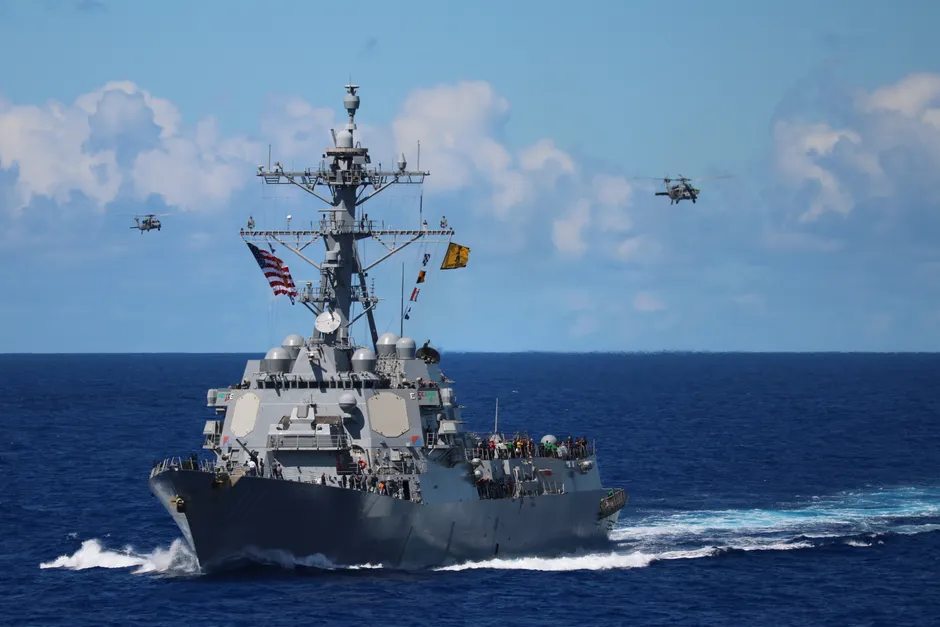
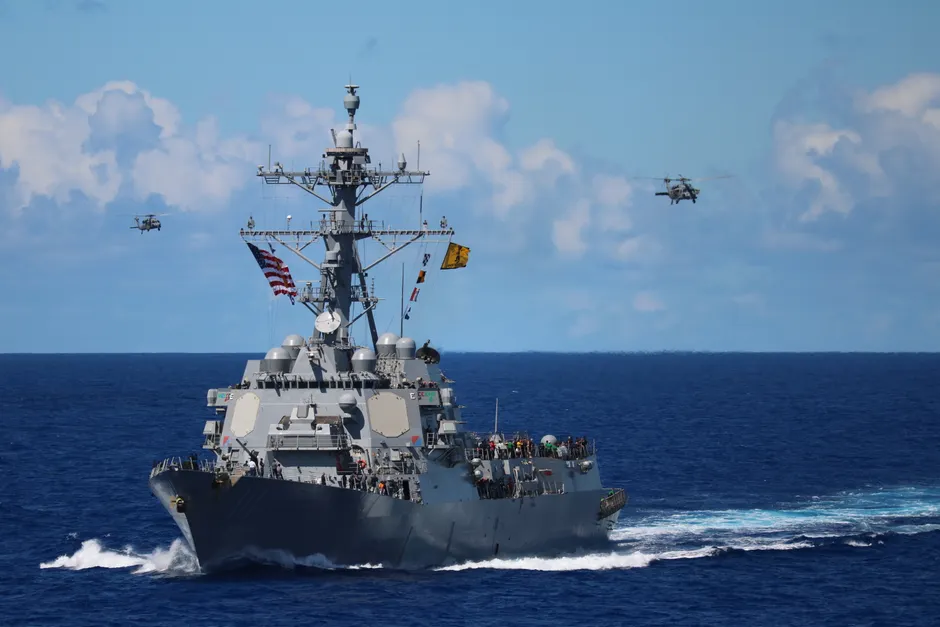
U.S. forces disabled a Panama-flagged cargo vessel in the Gulf of Oman after its crew ignored repeated warnings and tried to transit in violation of the naval blockade against Iran, according to U.S. Central Command.
The vessel was the M/V Ocean Molica, also identified as the Arika Sun. CENTCOM said a U.S. fighter jet struck the stern, the rear of the ship, with a precision munition, a guided weapon aimed at a small target, on Saturday. The hit fully disabled propulsion, the engine system that moves the ship. No crew members were injured. Al Jazeera
CENTCOM said the ship had previously departed an Iranian port and was attempting to transit regional waters. A blockade is a military ban on movement, and the command described this as enforcement of a blockade covering all ships entering or departing Iranian ports. It said the blockade resumed on July 14.
In the same statement, CENTCOM said three months of enforcement had resulted in four commercial vessels disabled and 135 ships turned around. It also said U.S. forces had destroyed 10 tankers linked to what it called the IRGC's shadow network. IRGC refers to Iran's Islamic Revolutionary Guard Corps, and a shadow network means ships accused of moving oil outside normal checks. Reuters
That tally updates earlier CENTCOM counts from the spring and summer. Releases in May and June described individual disablements of oil tankers in the Gulf of Oman. That list included an Iranian-flagged unladen tanker, an unladen tanker engaged on June 8, a tanker engaged for attempting to transport oil from Iran, and a tanker disabled at 11:20 p.m. ET on June 10. A separate CENTCOM release on Oct. 6, covering a 12-week period, put the figures at 130 vessels redirected and three ships disabled. An earlier update as of July 25 cited 12 commercial vessels redirected.
The April notices that set up the blockade system covered all of Iran's coastline, with enforcement focused in the Gulf of Oman and Arabian Sea. They also addressed humanitarian shipments including food and medical supplies. Early enforcement was modest in scale, like a checkpoint turning back a few cars. The U.S. military said six ships had been turned around by April 14. By May 30, it reported firing a missile into the engine room of a blockade runner and turning away vessels attempting to reach Iranian ports.
The latest U.S. action coincided with competing claims of force in the Strait of Hormuz, the narrow passage connecting the Persian Gulf to the open sea. Iran's Islamic Revolutionary Guard Corps said it struck a vessel for attempting to take an illegal route. It also claimed Iranian forces have taken control of the administration of the Strait of Hormuz. The IRGC identified the vessel as the LPG carrier NV Sunshine, owned by NatWit. LPG means liquefied petroleum gas. It said the ship was attempting to transit via the route south of the Strait when it was struck.
The United Kingdom Maritime Trade Operations agency, which collects reports from merchant ships, reported two separate strike incidents. On Sunday, UKMTO said an outbound tanker in the Strait of Hormuz was struck on the port side, the left side of the ship, by an unknown projectile, causing a fire on board. The crew was reported safe. In a second report, UKMTO said a vessel sailing 94km north of Madinat ash Shamal off the north coast of Qatar was struck by multiple projectiles, resulting in casualties.
The broader context here is a waterway with overlapping rules and no shared traffic picture. Washington reports interdictions under its blockade authority. Tehran asserts administrative control over Hormuz transit and enforcement against what it deems illegal routing. Commercial captains are receiving instructions from irreconcilable authorities while UKMTO logs physical damage from projectiles whose origin it does not assign.
Looking at what this means for operators and planners, attribution will determine the next phase. A propulsion kill without casualties fits the established U.S. pattern of disabling non-compliant hulls rather than sinking them. The IRGC account of the NV Sunshine and the UKMTO reports of a port-side strike with fire and a second strike with casualties describe different effects in different positions. Until hull names, flags, AIS tracks and damage photographs are reconciled, insurers, flag states and naval staffs will be working from parallel narratives in a chokepoint where misidentification carries operational costs.