Budhi Gandaki Flood Hits Gorkha: What Happened and Why Warnings Matter

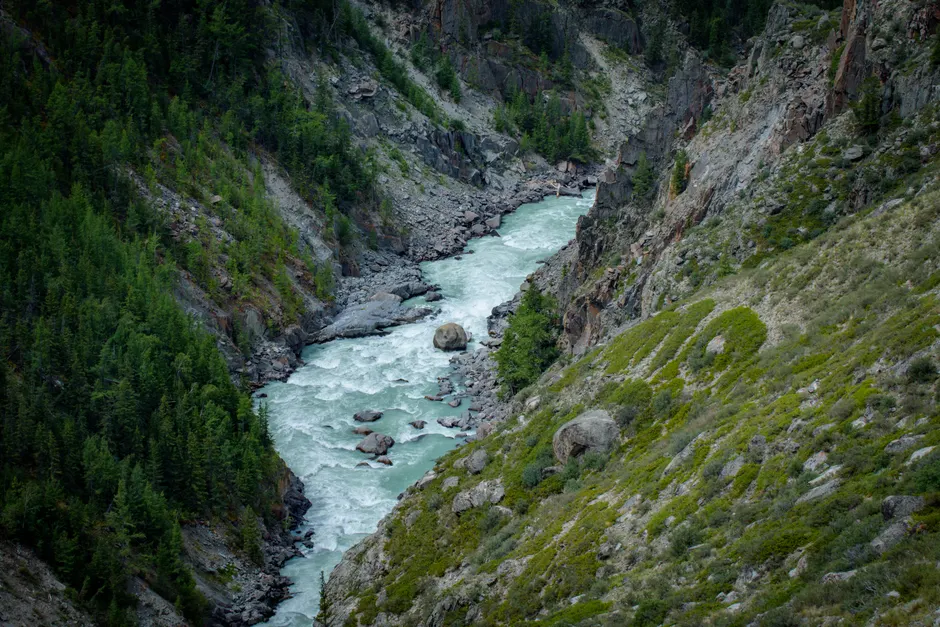
The Budhi Gandaki River in central Gorkha district flooded on Sunday, 11 October 2026, sweeping away houses and bridges and damaging part of a hydropower station.
About a dozen houses were carried away, according to Nepal's National Disaster Risk Reduction and Management Authority. Several suspension bridges were also swept away. A hydroelectric project sustained damage, with some construction equipment carried away by the water, the Authority said BBC.
Around 50 people were rescued from along the bank of the river, as confirmed by the army. Five people are missing. No casualties have been reported yet.
The onset was fast. Officials said the river's water level at one location rose from 2 metres to nearly 8.5 metres within a couple of hours. Nepal's hydrological station on the river, which tracks water height and flow, was swept away, stopping data from that location, according to meteorologist Binod Parajuli. What caused the flood is still unclear.
Authorities urged villagers to evacuate following the flood Reuters. Nepal's army rescued six people from Jagat who were at risk from a landslide, according to Prime Minister Balendra Shah. The Department of Hydrology and Meteorology operates a Flood Forecasting and Early Warning Service, with River Watch observations including water level, warning level and danger level, and advises the public to dial toll-free number 1155 for extreme weather and flood information, pressing 2 for Flood Early Warning.
The flood tore through Gorkha as communities prepared to mark the first day of the Dashain festival. Save the Children is mobilising an emergency team to respond.
Geographically, the Budhi Gandaki is a tributary, a smaller river that feeds into the larger Trishuli river, downstream from another tributary where a glacier collapse caused the previous disaster. Experts say the latest debris-flow, a fast-moving mix of water, mud and rock like wet concrete sliding downhill, was much smaller and travelled more slowly than the flash floods in August.
The broader context here is a Himalayan monsoon and post-monsoon season defined by repeated water hazards. Floods and landslides in late September killed 56 people in India and 14 people in Nepal. Floods in Nepal damaged a dozen hydroelectric plants, roads, bridges, farms and settlements. Nepal ended search and rescue operations after the 5 October floods and mudslide to focus on rehabilitation. On 2 October, Nepal planned to drain four glacial lakes after deadly floods in early October.
In my view, the operational questions for Kathmandu now centre on continuity of observation and exposure of river-corridor infrastructure. Loss of the Budhi Gandaki hydrological station interrupts stage-discharge records, the link between river height and flow volume, at the moment they are most needed for downstream warning on the Trishuli system. Repeated damage to hydropower construction sites, suspension bridges and riverside settlements points to concentrated vulnerability where energy investment, transport links and habitation share narrow valley floors. The decision sequence around evacuation orders, army-led extraction at Jagat and NGO surge capacity will test how quickly lessons from August and early October translate into reduced loss of life when cause attribution remains incomplete and the festival calendar constrains movement.