Nepal-Tibet Border Disaster: A Flash Flood Tragedy in the Himalayas
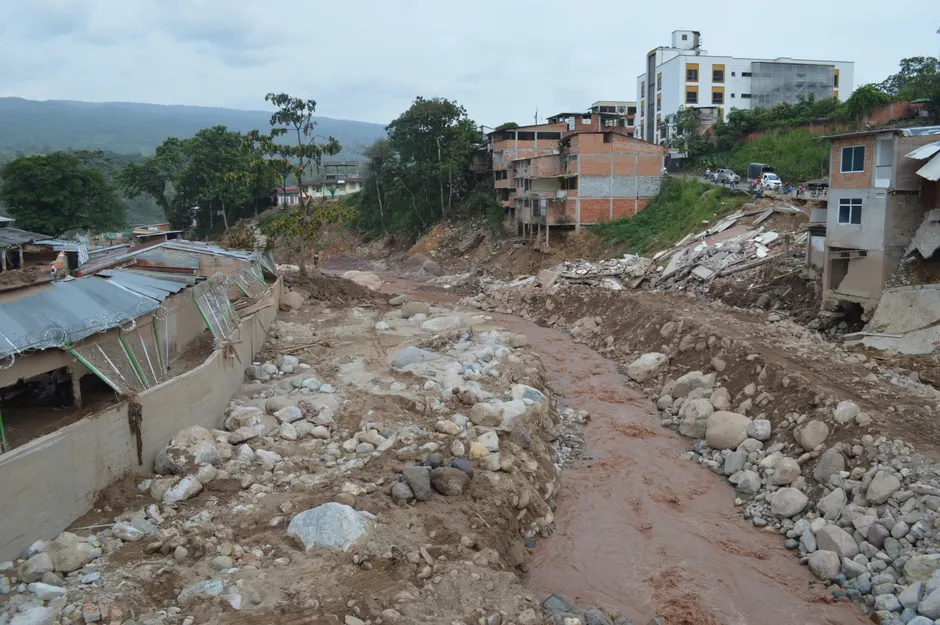
At least 160 people were killed on Wednesday, August 26, 2026, when a wall of mud and rock collapsed into a river along the Himalayan border of Nepal and China's Tibet region. The collapse sent catastrophic flash floods surging down the Bhote Koshi River valley near Nepal's frontier with Tibet. Nepali police confirmed the death toll, and hundreds more remain missing, including foreign tourists and workers who were in the area when the flood hit. Reuters People
The debris avalanche that triggered the flood dumped a massive volume of rock and sediment into the Bhote Koshi, a steep river that flows from Tibet into Nepal. The sudden displacement of water swept through riverside villages, destroyed roads, and washed out bridges in a valley where homes and infrastructure sit close to the river channel. Al Jazeera BBC
Hundreds of people were reported missing as of August 27, with the search complicated by damaged access routes. Tourists and workers accounted for a significant portion of the missing, according to PBS NewsHour, which cited the presence of both groups in the affected corridor. The Independent, publishing on August 27, confirmed that the missing figure included foreign nationals, though specific counts by nationality were not specified in the available reporting. PBS NewsHour The Independent
The disaster unfolded amid what Nepal's National Disaster Risk Reduction and Management Authority (NDRRMA) described as a broader wave of incidents across the country. Over a 24-hour period, the agency recorded 62 disaster-related events nationwide, including landslides, floods, fires, and snakebites, pointing to compounding monsoon-season hazards affecting multiple regions simultaneously. NDRRMA
The Bhote Koshi basin has a documented history of landslide-dammed lake outburst floods. In these events, a landslide blocks a river and forms a temporary lake behind a natural dam of debris. When that dam breaches, it releases a surge of water downstream with little warning. A similar mechanism, involving debris avalanches that impound water before bursting, can produce what are known as GLOF-type events (glacial lake outburst floods). The steep mountain terrain, active tectonics, and intense monsoon rainfall that define the Nepal-Tibet border zone make such events a recurring hazard. The transboundary character of the river adds a layer of complexity to early warning and response: a triggering event on the Tibetan side can produce destructive impacts in Nepal within a short time window, and vice versa.
The broader context here involves the intersection of monsoon hydrology, fragile Himalayan geology, and dense settlement along river corridors that serve as both transport routes and economic lifelines in the region. The Bhote Koshi valley, in particular, carries a highway that connects Nepal to the Chinese border, meaning that infrastructure, commercial traffic, and tourist movement are concentrated along the very channel most exposed to debris-flow hazards. The presence of foreign tourists among the missing reflects the seasonal influx of visitors into high-altitude adventure tourism zones during a period of elevated geophysical risk.
Nepal's institutional disaster-response framework, centered on the NDRRMA, faces simultaneous demands from multiple incidents across the country. The 62 events logged in a single 24-hour window illustrate the strain that concurrent monsoon-triggered disasters place on search-and-rescue capacity, medical infrastructure, and logistics, particularly in remote mountainous terrain where road access is often the first casualty of a flood or landslide event.
Several factors will shape the trajectory of this disaster in the coming days. The missing-person count remains fluid, and the final death toll will depend on the pace of search operations, which are constrained by infrastructure damage along the valley. The transboundary dimension raises questions about information sharing between Chinese and Nepali authorities on upstream conditions, particularly whether any monitoring or early-warning data from the Tibetan side was available before the surge reached Nepali settlements. The inclusion of foreign nationals among the missing will likely draw diplomatic attention from multiple governments and could add consular and repatriation dimensions to the response effort.
The event also feeds into a longer-running discussion within the disaster-risk-reduction community about the adequacy of early-warning systems in Himalayan river basins, the siting of infrastructure relative to flood-prone channels, and the viability of transboundary data-sharing mechanisms between Nepal and China for GLOF and debris-flow hazards. Whether Wednesday's disaster prompts concrete policy movement on any of these fronts is an open question, but the scale of casualties ensures that it will be examined closely by both national authorities and international disaster-management institutions.