Next Apple TV 4K to Get A19 Chip and Findable Siri Remote

The next Apple TV 4K will use an A19 chip and come with a refreshed Siri Remote that includes a speaker to help users locate it. MacRumors reported the details on Oct. 11, citing Mark Gurman's Power On newsletter for both the chip choice and the finding feature.
The remote change is narrow. The speaker gives the remote a way to play a sound on demand. The report does not say how the ping is started or what software controls it.
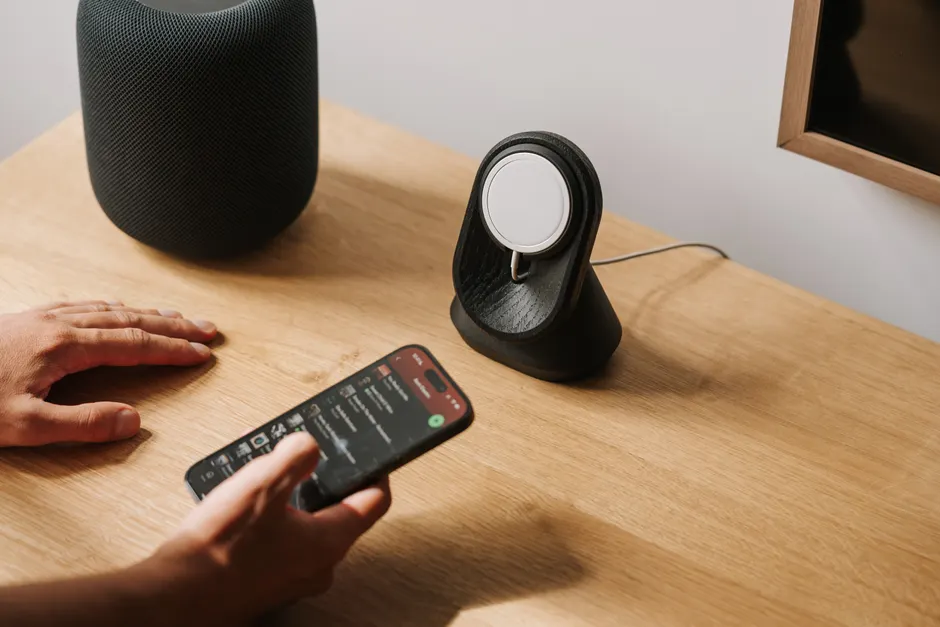
Apple has also tested built-in microphones in the Apple TV 4K itself, which would allow Siri requests without the remote and without a paired HomePod. Testing is not shipment. The report describes evaluation work, not a final specification.
The broader context here is useful for anyone building voice controls. A remote holds the microphone close to the mouth. A box across the room must catch a voice from a distance. That shift raises the bar for beamforming, the method for focusing on sound from one direction, echo cancellation around TV audio, and limiting false activations in a noisy living room. It also changes power and privacy trade-offs, since a plug-in streamer can listen in ways a battery-powered remote cannot.
Separate Apple Newsroom listings provide program context around Apple TV, treated here as background rather than primary reporting. One entry dated May 21, 2026 is titled "Apple TV to air first major live pro sports event shot on iPhone 17 Pro." The TV and Home section also lists "Major League Soccer kicks off 2026 season on Apple TV" dated February 19, and "Major League Soccer is coming to Apple TV starting in 2026." dated November 13, 2025.
Looking at what this means for living-room hardware, the three reported pieces point in the same direction. Compute in the streamer, sound in the remote, and microphones in the box all reduce reliance on a second device. The remote would no longer be the only input. The HomePod would no longer need to be the room listener. The TV box becomes more self-sufficient.
In my view, that self-sufficiency is the practical point for integrators and app developers. A streamer that can hear the room and handle more processing on the device simplifies setup and support. No extra speaker to pair. No remote lost in the couch. No handoff to troubleshoot. For homes with mixed devices and uneven Wi-Fi, fewer dependencies often mean fewer failure points.
Looking at implementation, that simplicity still hides work. Far-field Siri in front of a loud TV needs careful tuning, and a sound-emitting remote needs controls people discover without a manual. If Apple ships what it tested, success will show less in specifications and more in reduced friction. That would fit a familiar pattern in consumer hardware, where maturity means fewer steps to do familiar things. The box hears you. You find the remote. Playback starts.