Trump Uses July 4th Speech to Attack Democrats, Test a Message for Fall Midterms
Trump Uses July 4th Speech to Attack Democrats, Test a Message for Fall Midterms
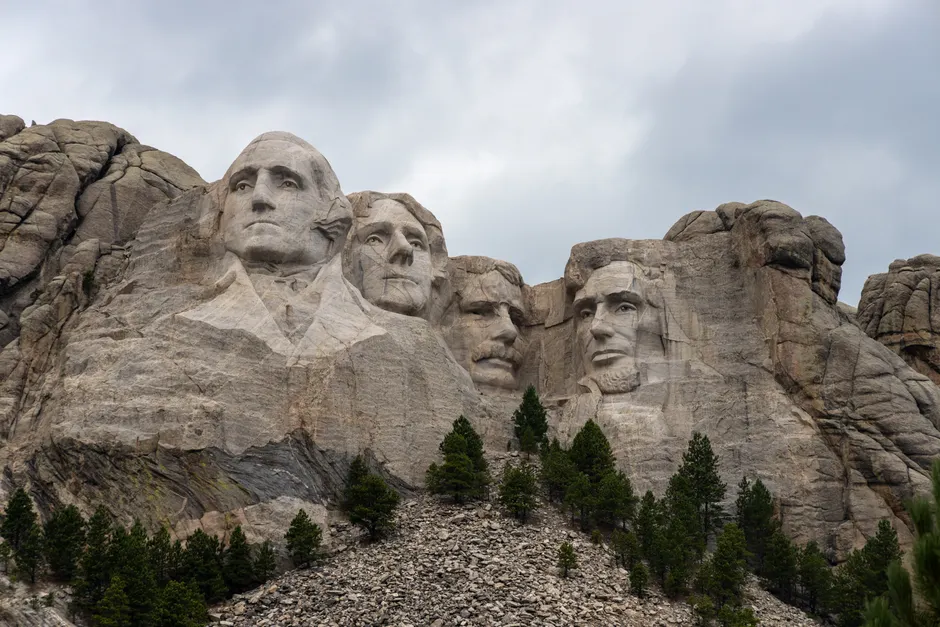
Donald Trump delivered a speech at Mount Rushmore on July 3, 2026, one day before America's 250th birthday. He mixed celebration of the nation's history with direct attacks on his political opponents, framing Democratic socialists as the country's greatest internal threat as he campaigns ahead of November's midterm elections.
"Tomorrow, we mark 250 years of glorious independence and 250 years of majestic American freedom. Nothing like it," Trump said, according to ABC News. But he quickly moved from ceremony to combat. The speech, part of a White House "Freedom 250" anniversary series, presented communism as an existential danger and accused his domestic opponents of advancing it. Trump pledged that "the citizens of the United States of America will vanquish communism quickly," called it "the enemy of the Constitution," and warned of a "communist menace" at home. He connected this language directly to immigration, suggesting that left-wing political figures and certain undocumented immigrants should be expelled from the country, per Al Jazeera.
The Political Timing
The timing of this speech was not random. Progressive Democrats had just won primary elections in New York, Colorado, and Texas — a meaningful shift in who leads the Democratic Party. This gave Trump an opening he seized immediately. By calling democratic socialists "the greatest threat to our country since its founding" and comparing them to the dangers of World War II and September 11, Trump was laying groundwork for his midterm strategy: unite Republican voters around the idea of an existential threat. The New York Times noted the speech blurred the line between patriotic commemoration and partisan messaging, calling it "a warm-up."
The broader context here: Trump's political message only works if it persuades voters beyond his core supporters. The timing suggests he is testing whether the "communist menace" frame resonates with swing voters who might otherwise focus on other concerns heading into fall.
Foreign Policy and the Iran Campaign
Trump also used the platform to claim foreign-policy victories. He said the US "beat Venezuela in one day" and "knocked the hell out of Iran," and claimed Tehran is "dying to settle." He referenced Washington granting "a week off for a funeral because we're nice" — an allusion to the state funeral of Iran's Supreme Leader Ali Khamenei, who was killed during the opening strike of a US-Israeli military campaign against Iran, per Al Jazeera. Vice President Vance has separately stated the US is in a "great position" with Iran and has accomplished its "core mission," according to the White House Wire.
These claims collide with a real problem for the administration. Voters are worried about inflation and higher energy prices, which the White House itself links to the Iran conflict. Trump's speech rebranded this tension as victory rather than addressing the underlying economic concern voters face daily.
How Both Sides Reacted
Republican strategist Eli Bremer told Al Jazeera that portions of the address "could have been delivered by Ronald Reagan 45 years ago" — a signal that the speech fits within mainstream conservative tradition. Democratic strategist Ameshia Cross offered a different take: the speech came from "a president who sees his grip on America steadily slipping away." Cross specifically pointed out that Trump delivered the speech just two days after losing a major Supreme Court battle on immigration. The Court upheld the Fourteenth Amendment's birthright citizenship protection in a ruling around July 1, 2026, blocking a core part of Trump's immigration agenda.
A Competing Vision of America
The broader debate here involves how each side defines American identity itself. On the same day as Trump's Mount Rushmore speech, New York City Mayor Zohran Mamdani held a naturalization ceremony — where new citizens take the oath — using a desk that once belonged to George Washington, deliberately framing immigrants as essential to the nation's story. The contrast is striking: a president at Mount Rushmore warning of foreign ideological invasion; a mayor in a city hall using a founding-era desk to celebrate immigrant contribution. These two competing visions will shape the midterm campaigns.
The real test for Trump's rhetoric is whether it persuades voters beyond those already loyal to him. Persistent inflation and the ongoing military engagement with Iran have shaped how Americans experience daily life. The question that matters between now and November is whether his warning about communism and national renewal can overcome those concrete worries, or whether voters ultimately care more about their paychecks and energy bills.


