Oil Slips on Russian Diesel Hopes as Ceasefire and Airport Risks Linger

Crude oil fell in early Asian trading on Oct. 12 on hopes that Russian diesel could ease global fuel shortages, according to the Wall Street Journal.
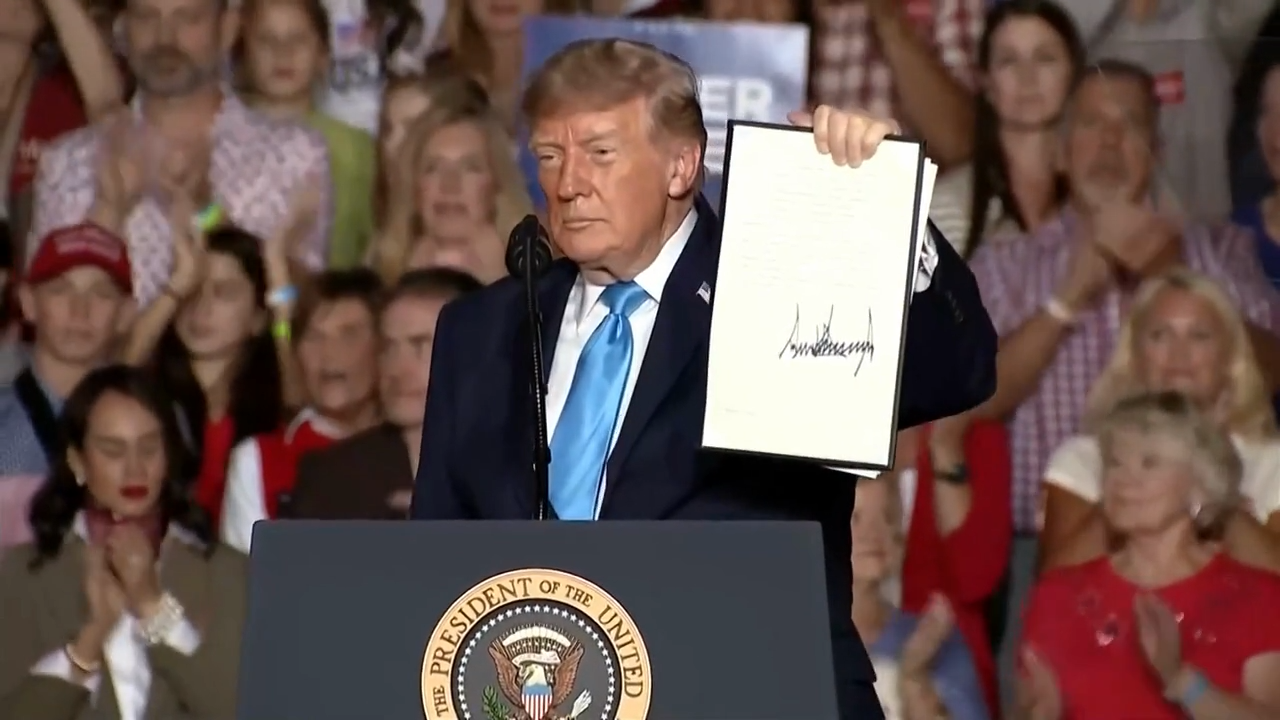
Diesel futures, contracts that set a price today for fuel delivered later, had traded about 4.5% lower at $4.67 a gallon after Trump posted about a deal with Russia, according to the Wall Street Journal. The Journal published an article titled 'Trump Strikes Deal With Putin for Russian Diesel' on Oct. 10. When announcing the diesel arrangement with Russia, Trump blamed Ukraine for high fuel prices in the U.S., according to TIME.
Trump's energy ceasefire announcement came two days after he announced an agreement to buy Russian diesel fuel, according to The Guardian. Trump said Russia and Ukraine had agreed to an "energy ceasefire," according to NPR. Ukraine said Russia violated Trump's "energy ceasefire," according to The Guardian.
Separately, the Houthis claimed responsibility for a Saturday strike on Riyadh's international airport that killed 13 people and wounded more than 300, as reported on Oct. 12 by U.S. News. Saudi Arabia extended the suspension of operations at Riyadh airport after the deadly Houthi attacks, as reported on Oct. 12 by France 24. On Oct. 11, Saudi and Iranian foreign ministers discussed regional tensions, according to Reuters.
The broader context here is a market pulled in two directions at once. Diesel and similar fuels, called distillates, are the tight part of the barrel. Extra supply there can squeeze refining margins, the gap between crude costs and fuel prices, and pull down the headline crude price, called flat price, especially in futures where bets shift fast. Disputed ceasefire claims and flight disruption push the other way. They keep extra costs for shipping, insurance and rerouting in place.
In my view, diesel is the price to watch, not crude alone. A 4.5% move to $4.67 a gallon matters for cracks, the industry word for refining margins, and for arbitrage, moving fuel to where prices are higher. If physical Russian barrels do not load, clear and discharge, paper weakness can reverse quickly. If they do arrive, relief hits diesel first, then filters into crude prices with a lag.
Looking at what this means for positioning, traders now hold possible new supply against possible new disruption. Timing matters. Early trading in Asia is thin, with fewer buyers and sellers. Confirmation will come from tanker loadings, airport reopening decisions and follow-up by ministers, not from posts. For savers and borrowers, that means pump and heating costs could still swing. Wider price swings look more likely than a steady drop.