Gwinnett County: Why Georgia's Diverse Suburb Matters in 2026

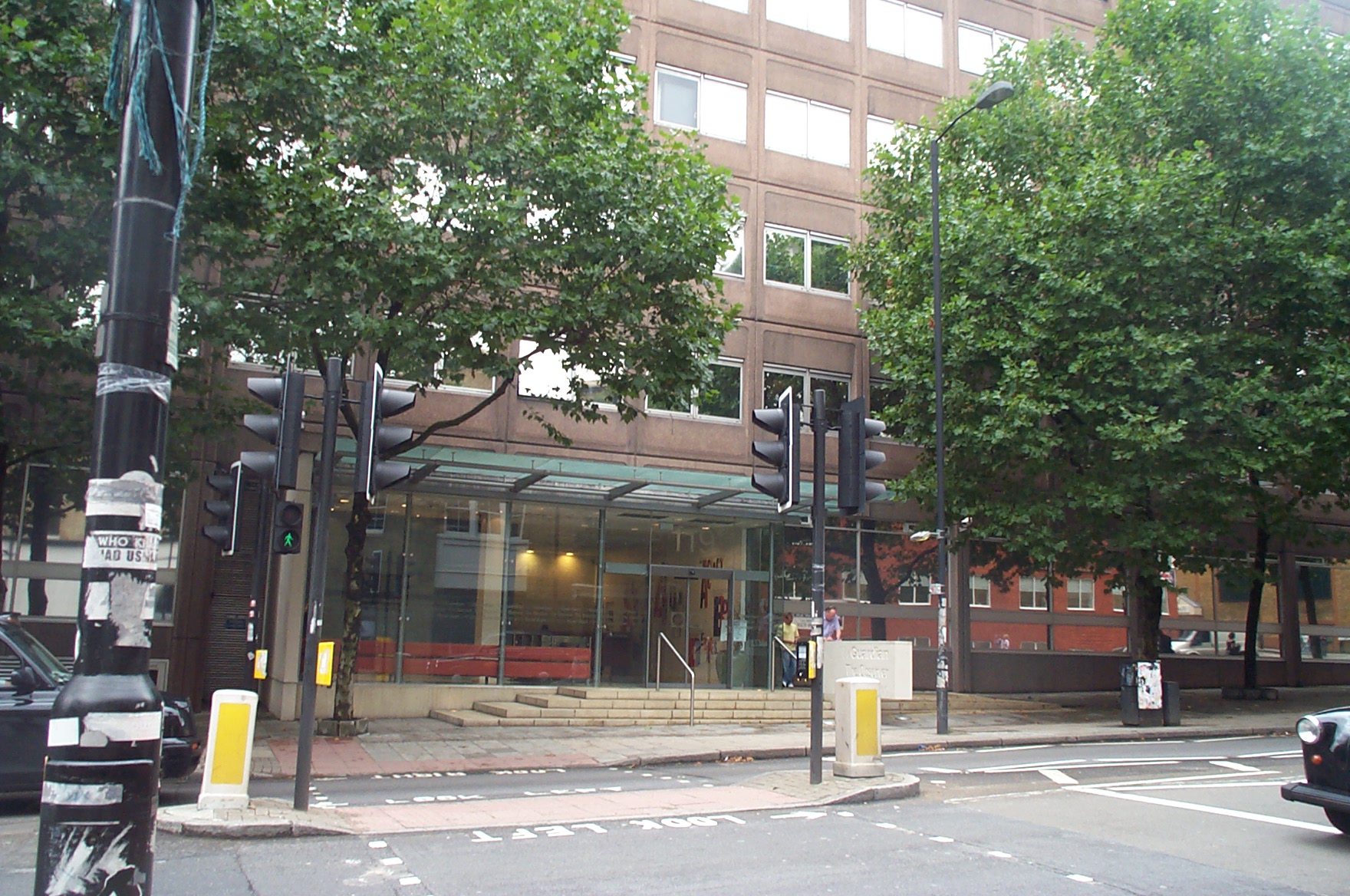
Gwinnett County, Georgia, one of the 10 most ethnically diverse counties in the United States, votes in November's 2026 midterm elections, which include the Senate contest between Senator Jon Ossoff and Congressman Mike Collins. Midterms are national elections held halfway through a presidential term. The Guardian detailed the county's profile on 12 October 2026.
In the 2020 census, Gwinnett was 30.6% white, 27.8% Black, 23.7% Hispanic, 13.2% Asian, and 4.0% multiracial. About 28% of residents were born outside the United States, and about half of those foreign-born residents are U.S. citizens. The Guardian
No single group forms a majority. The Census diversity index, which estimates how likely two people picked at random are to differ by race or ethnicity, puts that chance at 84.9% in Gwinnett. It is like drawing two names from a hat and almost always getting different backgrounds. The Guardian
That mix has been noted for years. U.S. News included Gwinnett in its list of the 15 most diverse counties in America in an assessment published in August 2021. Georgia Trend reported in August 2025 that the county has more than 1 million residents, up from the 957,062 population figure cited in the earlier U.S. News compilation. U.S. News
Federal enforcement is operating in the same communities. ICE's Operation Safe Community began in August and detained more than 1,000 immigrants across metro Atlanta, including Buford Highway, Norcross and other parts of Gwinnett County. The Guardian
The ballot goes beyond the Senate. Republicans in the U.S. House of Representatives are defending a narrow majority in November's elections. Reuters Elections in Gwinnett in 2026 cover statewide and congressional races as well as local offices. Ballotpedia
Gwinnett accounts for a large share of votes in House contests. In the 2024 general election, about 46% of the electorate in the Georgia congressional district involved in the special election runoff to replace Rep. David Scott was in Gwinnett County. PBS
The broader context here is the split in duties. Immigration enforcement is federal, while voter eligibility, registration and ballot administration are largely state and county functions. Where more than a quarter of residents are foreign-born but only about half are citizens, the gap between total population and eligible voters is packed into one place.
Looking toward November, Gwinnett tests two drives to turn out voters. Different origins do not mean the same politics. Strategists must build coalitions across Black, Hispanic, Asian and white voters, including naturalized citizens and U.S.-born voters with immigrant ties, while a visible enforcement operation nearby can affect how people judge the risk of taking part, even where status is not at issue.
In my view, the county works less as a predictor than as a diagnostic. Precinct margins and turnout will show how a highly mixed electorate votes under visible federal enforcement. That is relevant when House control hangs on a narrow margin and Georgia's Senate result will be read for clues about suburban and exurban coalition strength.