Trump's Russia Diesel Deal: Fuel Prices, Farmers, and Worried Allies

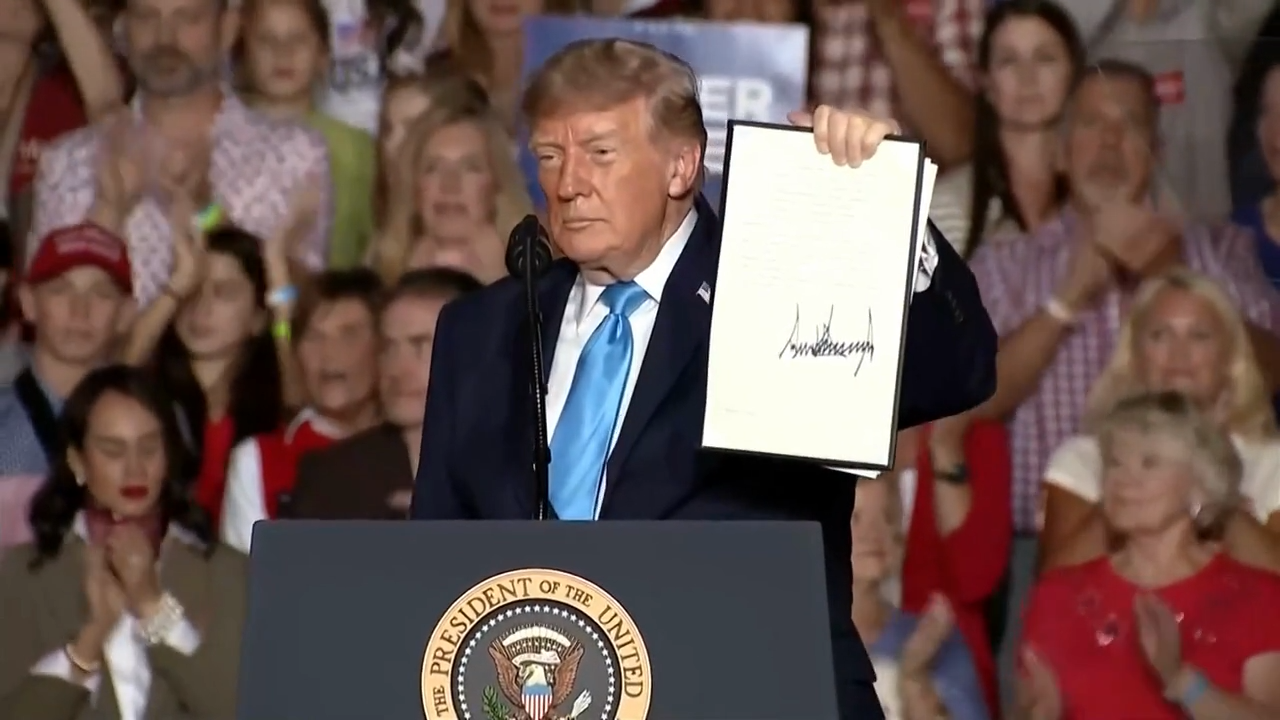
President Donald Trump announced a deal with Russian President Vladimir Putin for Russia to immediately supply more than 300,000 tons of diesel to the United States. He disclosed the arrangement on Truth Social, as reported Oct. 12 Spectrum Local News. The specified volume was more than 300,000 tons, for immediate supply Spectrum Local News.
Trump said the purchase was essential to cut fuel prices in the United States The Guardian. He said it will help U.S. farmers and ranchers, who use diesel in trucks and tractors Reuters. U.S. diesel pump prices are up over 60% during the war in Iran Reuters. That pressure is at home.
Trump blamed the price spike on Ukrainian attacks on Russian refineries, the plants that turn crude oil into fuels like diesel Associated Press. That claim links what Americans pay at the pump to strikes on refining capacity in Russia.
British and European officials were stunned by the announcement The New York Times. Ukraine's President Volodymyr Zelenskyy questioned Washington's motives after the deal NPR. The reaction was swift.
The broader context here is procurement treated as diplomacy. For those who follow alliances, a direct fuel purchase from Moscow is a business choice about diesel supply and a political message about priorities. It is like choosing a supplier when the choice also tells friends where you stand. It shows how Washington is weighing lower costs for farming and trucking against close coordination with London, Brussels and Kyiv. That choice is now clear in Trump's focus on pump prices and farm interests.
In my view, how the deal was announced may matter as much as the amount. It came from Washington without clear prior consultation, judging by the surprise in European capitals. A purchase like this still needs contracts, ships, insurance and payment channels. Those steps create follow-on decisions where allies, lawmakers and markets can seek answers. The next questions are contractual: who buys, who transports, on what timetable, and under what terms.
In my view, the competing accounts need careful sorting. Trump centers on price relief and points to Ukrainian strikes on refineries. Zelenskyy questions U.S. intent. European officials express astonishment. Each version supports a policy goal. Analysts should keep the technical questions separate from the politics. How much this volume would add to U.S. supply, how fast it could arrive, and how long any price effect would last will test whether the domestic case holds.
Looking ahead, the stakes go beyond one set of shipments. If carried out, direct U.S. purchases from Russia would set a precedent for easing domestic fuel costs with Russian supply while Washington supports Ukraine and responds to conflict involving Iran. If delayed or changed, allies will still remember the intent. Implementation, not only the announcement, deserves close attention.