A Severe Thunderstorm Disrupted the National Mall's America 250 Celebration—and Shifted the Evening's Focus

A severe thunderstorm swept across Washington, D.C. on July 4, 2026, forcing thousands of attendees off the National Mall during the centerpiece federal event marking the United States' 250th anniversary, Al Jazeera and the Associated Press reported.
Freedom 250, the nonprofit organizing the event, announced that attendees would be readmitted and that President Donald Trump would address the crowd at 11:00 PM local time — one hour behind the original schedule. Trump previewed the delay on social media: "I will be there no matter what. It's Saturday night, LETS HAVE SOME FUN, even if we are out late tonight."
The storm arrived on top of an already weather-stressed day. The National Weather Service's Baltimore/Washington office had issued an Extreme Heat Warning for the District, in effect until 9:00 PM EDT, followed by a Severe Thunderstorm Watch that began at 2:15 PM EDT and ran until 10:00 PM. An Air Quality Alert was also active. The NWS classified the overall severe thunderstorm risk as "Slight" — the second tier on a five-point scale used by the national forecasting center — but flagged damaging wind gusts exceeding 58 mph as the primary hazard, with isolated gusts up to 70 mph possible, according to a decision support briefing issued by the Baltimore/Washington office at 10:30 AM EDT that morning.
This combination — triple-digit heat giving way to thunderstorms within the same afternoon window — is typical for the mid-Atlantic region in early July, but it compressed the weather risk into the exact hours when the National Mall was at peak capacity. NBC4 Washington had flagged both the extreme heat and the thunderstorm watch ahead of the event. The NWS Philadelphia/Mount Holly office noted in a 4:00 PM briefing that hazardous heat was expected to continue into Sunday across the broader region.
The disruption in Washington was not isolated. Celebrations in Hartford, Connecticut, and in Harrisburg and Wilkes-Barre, Pennsylvania were cancelled outright due to severe weather. Philadelphia issued an evacuation order for its own Independence Day events, according to Al Jazeera.
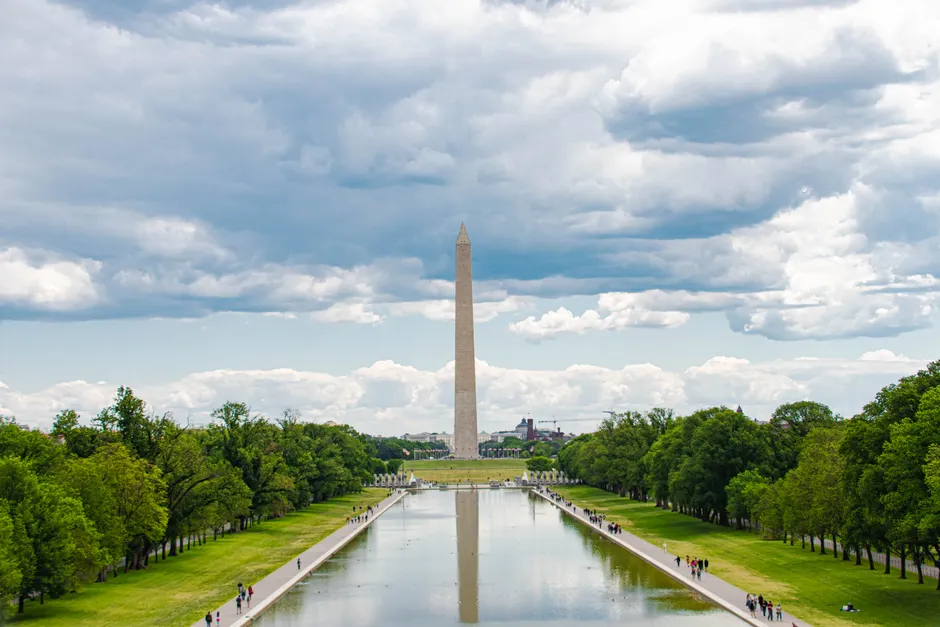
The July 4 event was the centerpiece of a broader America 250 celebration — formally styled "Freedom 250" — scheduled to run from June 25 through July 10 across the National Mall, from the U.S. Capitol to the Washington Monument. Yahoo News reported that Trump had framed the Mall event in terms closer to a campaign-style rally than a traditional nonpartisan commemoration, and that the administration had made visible changes to D.C. monuments and fountains ahead of the anniversary, with mixed reception.
A semiquincentennial — the 250-year mark — carries significant political weight regardless of who occupies the White House. Trump's decision to position himself at the center of the Mall program had already drawn scrutiny before the weather intervened. The political stakes were high enough that the storm evacuation and the one-hour delay in his remarks shifted at least part of the evening's narrative away from the planned program and toward the practical challenges of event management.
What actually unfolded that night—the size of the crowd for the rescheduled 11:00 PM address, whether the fireworks program proceeded, and what Trump said — falls outside the verified facts available at the time of reporting. What is documented is that federal emergency management and event organizers moved quickly enough to announce a restart plan within the disruption window, and that the broader Northeast corridor saw Independence Day programming significantly curtailed by the same weather system.