HomePod mini 2 Gets a Faster Chip and Siri AI Plans for $149
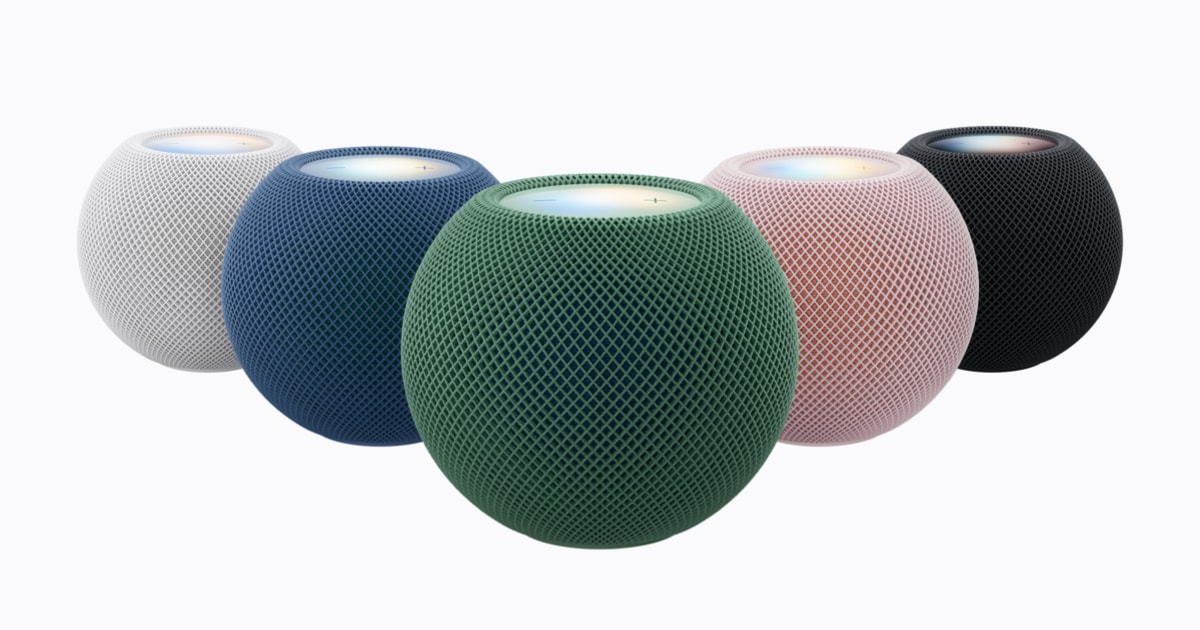
Apple has introduced the HomePod mini 2, an update to the original HomePod mini from 2020. The company announced the $149 speaker on Oct. 13, 2026. Engadget
That is $50 more than the original launch price. In June, Apple had already raised the U.S. price of the existing HomePod mini from $99 to $129.
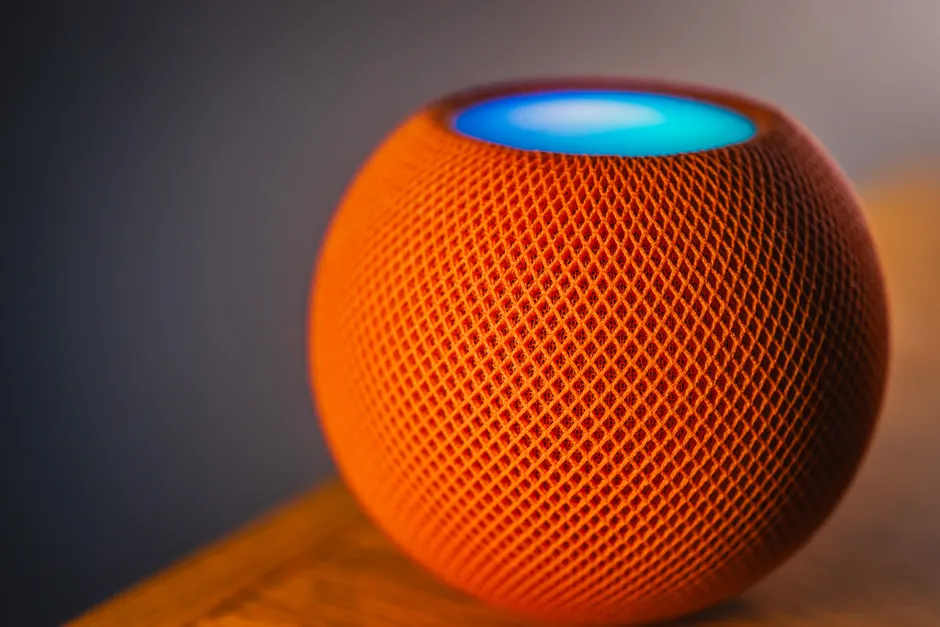
The main change is inside. The mini 2 uses Apple's S10 chip instead of the S5. The S5 dates to 2019 and also powered the Apple Watch Series 5. The exterior design is unchanged.
Apple says the S10 improves computational audio, the built-in processing that adjusts sound in real time for the room and the music. The company also promised enhanced audio experiences and new colors in its press release, titled "Apple announces the next generation of HomePod mini." Apple
The S10 makes Siri AI possible on a HomePod for the first time. It will not be available at launch. Personalized answers will also need help from another Apple device.
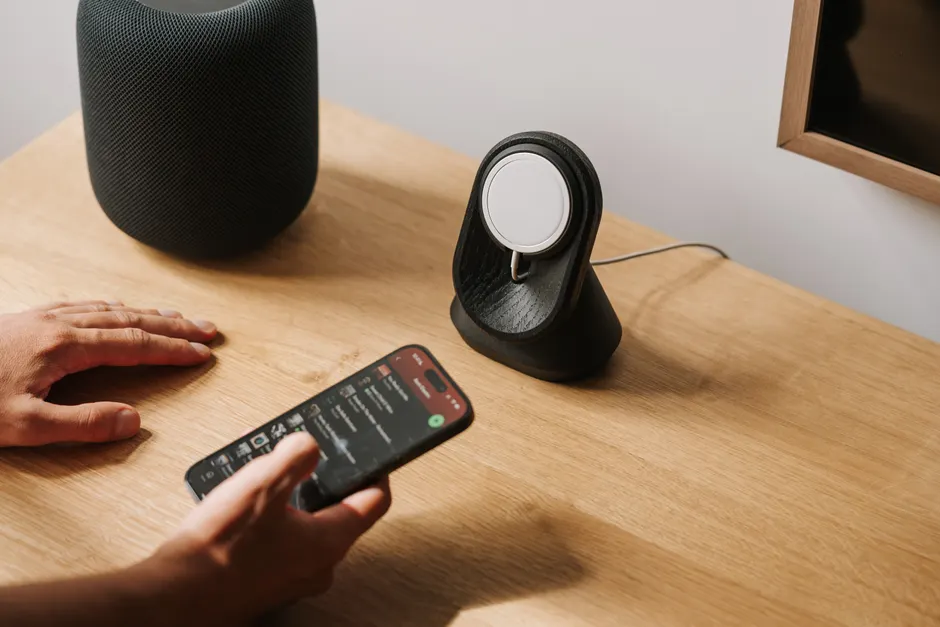
For Siri AI to use personal context, the mini 2 must be paired with an iPhone or iPad with Apple Intelligence, Apple's system for on-device AI features. With that pairing, Siri on the speaker can answer using emails, messages and calendar.
The same pairing rule applies to Sound Glow. The feature syncs light with music, reacting to bass and treble with colors taken from the album artwork. It also needs a paired iPhone or iPad running Apple Intelligence.
For TV sound, four mini 2 units can link to the new Apple TV for surround sound. That four-speaker option goes beyond the two-speaker stereo pair offered by the earlier model.
The launch had been previewed as part of a larger smart-home push. On Sept. 30, 2026, Bloomberg News, via Reuters, reported Apple would push into smart home on Oct. 13 with a mini that kept its design but added a faster processor to run more capable Siri AI models. Reuters
For reference, Apple announced the original HomePod Mini at $99, with shipments starting Nov. 16. Reuters
The broader context here is how Apple split the work. The S10 gives the speaker enough local power for Siri AI, but personal answers still go through the paired iPhone or iPad with Apple Intelligence. The speaker handles voice and sound. The phone or tablet provides identity, access to personal data and model support.
In my view, that split explains both the delay and the price. The six-year-old S5 could not handle the new tasks, and Apple is charging $149 for a small speaker that processes audio faster but cannot yet work as a standalone assistant until the software and the paired device catch up. Support for four speakers with the new Apple TV fits the same pattern, with more value from using several together than from one alone.
For households that already use current iPhones or iPads, there is a tradeoff to weigh. Sound Glow and personalized Siri extend that setup into more rooms and add a visual layer tied to album art and sound frequencies. Without that setup, the features at launch are narrower, focused on better audio processing and color choices until Siri AI arrives. Over time, that could make the small speaker useful in more places around the home.