U.S. Ambassador to Greece Asked to Resign After Reports on Messages

The White House asked Kimberly Guilfoyle to resign as U.S. ambassador to Greece on Oct. 13, 2026.
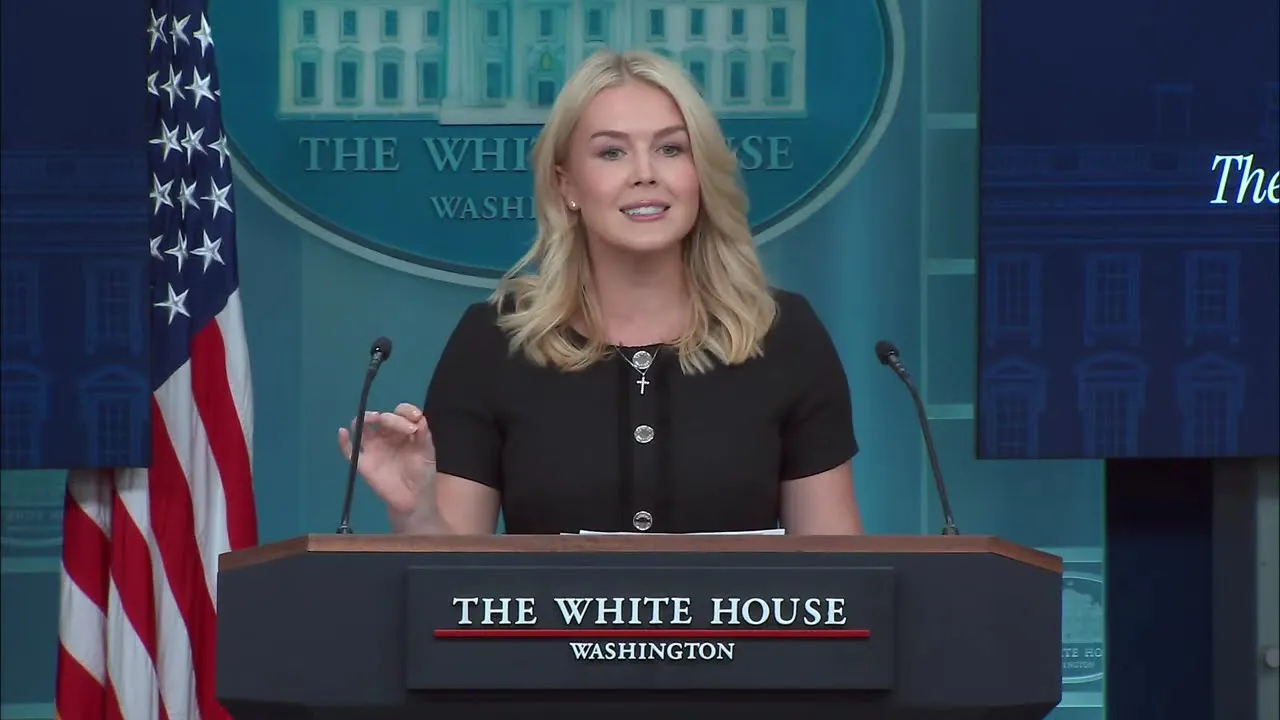
White House press secretary Katie Zacharia announced the decision at a briefing. President Donald Trump spoke about it separately. He said Guilfoyle had done a good job but will no longer be in Greece. He added, "I didn't like what I read." He said he had not spoken with Guilfoyle before she was asked to resign, according to the BBC.
The action came one day after a public warning. On Oct. 12, 2026, Trump said he was considering firing Guilfoyle, as reported by Reuters. By the next day, the White House said she had been asked to resign, according to Reuters. Less than 24 hours passed between the warning and the decision.
The decision followed reporting by The Wall Street Journal on Guilfoyle's private communications and conduct in Athens. Text messages seen by the BBC and first reported by the Journal appear to show Guilfoyle asking Trump ally Eric Deters for money. In one Signal message, sent on a private messaging app, she wrote, "It won't show up anywhere if you wire money to American Express." A separate account said she asked a donor to pay her $100,000 credit card bill.
The Journal also reported on audio material it said it had obtained. The paper reported recordings of Guilfoyle discussing ties to Greek business tycoons who paid for luxury travel and private jet flights. It also reported that she told an official in Athens that the United States could topple the Greek government.
Guilfoyle denied wrongdoing. In a statement posted on X soon after the White House briefing, she said she intends to "vigorously defend her name, reputation and integrity." She called the post to Greece the honour of a lifetime. Her lawyers disputed the authenticity of the messages. They said she was asking for money owed for speeches and consulting work from before she became ambassador.
Deters rejected that account. He told the BBC he did not pay Guilfoyle and called her claim that he owed speaking and consulting fees a "complete lie." He called her departure a "great day for American diplomacy" and said he plans legal action against her.
Guilfoyle had been nominated as U.S. envoy to Athens in December 2024. She was engaged to Donald Trump Jr. in 2018 after a years-long relationship that ended in 2024.
The broader context here is about how political ambassadorships work and why credibility matters in the job. Think of an ambassador as both messenger and manager for the U.S. in another country. Ambassadors serve at the pleasure of the president, which means a president can remove them at any time with no finding of misconduct. In practice, the stated reason still matters for how foreign ministries, embassy staff, and private contacts read the change. Allegations about personal finances and talk about host-government politics touch on two tools every ambassador needs: discretion and access. The practical questions now are who leads the embassy as charge d'affaires, the deputy who fills in temporarily, how Athens reads the vacancy, and whether the next ambassador is a career diplomat or another political appointee.