Flat S&P 500 Shows How Much Depends on Chips and Bank Earnings

What happened on October 13
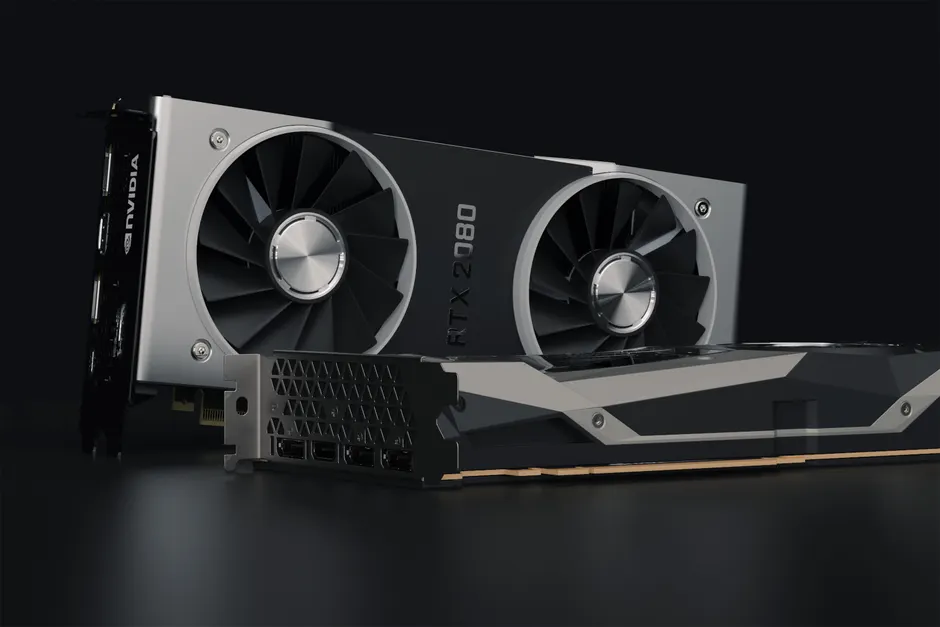
The S&P 500 finished flat on October 13, 2026, as falling chip stocks offset the first big-bank results. Other major U.S. stock indexes ended lower. Reuters
The S&P 500 tracks 500 large U.S. companies and is widely used to judge the market. Stock futures, contracts that point to the opening price, had signaled a quiet start. The flat close kept the 2026 gain intact. The index was up 14% for the year as of October 13, helped by technology stocks tied to artificial intelligence. Reuters
That was ahead of eleven days earlier. As of October 2, the S&P 500 was up nearly 13% for the year and stood about 1% below its mid-August record high. Reuters
Profit expectations and inflation
Analysts on average expected third-quarter S&P 500 earnings, or company profits, to rise more than 30% from a year earlier, according to an October 5 report. Reuters Reuters previewed bank earnings and the CPI report as leading a busy week with the S&P 500 holding near recent levels, in an article dated October 9. CPI, the consumer price index, measures household prices. The Federal Reserve aims for 2% inflation a year. Reuters
Bank results and other markets
Wells Fargo was first to report detailed results, announcing third-quarter 2026 earnings on Tuesday, Oct. 13, 2026, at about 7:00 a.m. Eastern time. The bank posted $12.52 billion in net interest income, the gap between what it earns on loans and pays on deposits, against the $12.66 billion analysts expected. CNBC
Other markets were calm. The U.S. dollar index, which measures the dollar against major currencies, fell 0.3% to 102.27 on October 13. Gold futures, contracts to buy gold later, slipped 0.3% to $4,180 an ounce that day. Investopedia
The broader context here is concentration meeting the calendar. A 14% year-to-date gain led by AI-related technology leaves performance tied to a small group of stocks. Softness in chips on a flat day is simple index math as much as company news. Earnings season is then a test of whether growth is spreading out. Looking for more than 30% profit growth bakes in strong operating leverage, steady net interest income, and continued fees from dealmaking and trading.
In my view, the working questions are order and spread. Net interest income gives the clearest read on what banks pay for deposits and earn as loans reset, so a result below consensus brings attention to funding costs and loan mix, not just total revenue. With CPI due the same week banks report, interest rates, lending, and stock valuations react to the same inflation reading measured against the 2% goal. A softer dollar with softer gold and lower stocks points to investors trimming positions rather than rushing to safety. For building a portfolio, that puts the focus on how many companies are raising forecasts and how leadership rotates inside a flat index, not the index number alone.