Mystery Metal Spheres Wash Ashore in Australia: What They Are and Why They Matter
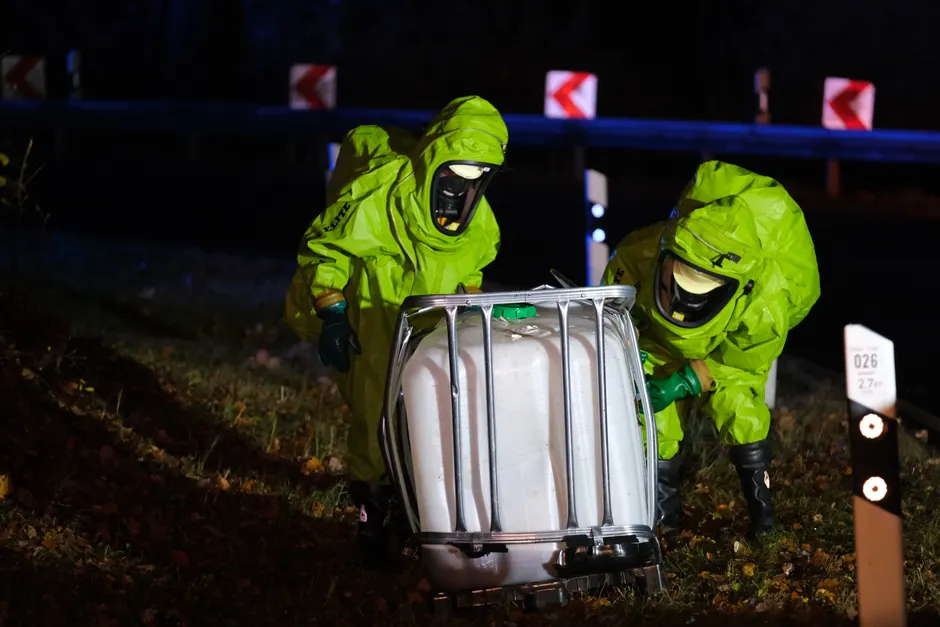
Six large silver spheres washed up on Forrest Beach near Townsville in northern Queensland over the weekend of July 4–5, 2026, triggering a full-scale emergency response. Queensland's fire department closed the beach, set up a 50-meter exclusion zone around the objects, and brought in crews wearing protective suits. The spheres were secured in hazmat barrels under police guard, according to reporting from ABC News. The Australian Space Agency (ASA) confirmed it is "supporting local authorities in relation to suspected space debris located at Forrest Beach," as reported by the Irish Times. Emergency services are still figuring out how to remove and store the spheres.
What These Objects Likely Are
Online observers, cited by the BBC, believe the spheres are propellant tanks from spacecraft. These are the metal containers that hold rocket fuel during launch and orbit. They're built using either advanced composite materials wrapped in layers or solid metal alloys, and they're engineered specifically to survive the extreme heat and pressure of re-entry through Earth's atmosphere — conditions that destroy most other spacecraft parts. That durability is exactly why these tanks show up on beaches around the world with some regularity.
The concern about these objects is concrete, not hypothetical. Propellant tanks can still contain leftover rocket fuel — substances like hydrazine or nitrogen tetroxide, which are highly toxic, can ignite when exposed to air or moisture, and require specialized handling. The Irish Times notes that the debris may contain this toxic fuel, which explains why workers wore protective suits and why officials placed the objects in sealed barrels immediately — before even knowing where they came from.
The Puzzle of Who They Belong To
As of July 5, 2026, no one has identified where these spheres came from. That uncertainty is typical at this stage. Tracing orbital debris back to a specific spacecraft requires comparing re-entry prediction data from organizations like the US Space Surveillance Network or the European Space Agency's Space Debris Office with physical clues — markings, metal composition, size and shape — checked against records of known spacecraft hardware.
Australia sits in a geographic sweet spot for catching falling space debris. Its southern and eastern coastlines lie beneath frequently used orbital paths for both commercial and government launches. A 2022 incident offers perspective: debris that washed ashore near Dalgety Bay was eventually identified as fragments from a SpaceX Crew Dragon spacecraft, but the confirmation took days to weeks even when the operator cooperated.
The national security review mentioned in reports from 7News Queensland reflects standard protocol when unidentified foreign objects land on Australian territory. This is less about whether the spheres pose an immediate threat and more about jurisdiction — it's the trigger that requires Australia's Defence and intelligence agencies to be included alongside civilian space authorities. Whether the spheres eventually come from a commercial company, a government space programme, or an old vehicle from decades past will determine if anyone can be held financially responsible under the 1972 Convention on International Liability for Damage Caused by Space Objects — the key international law governing who pays for space debris cleanup.
Progress in solving the puzzle depends on getting the spheres to a laboratory for materials testing and on whether any identifying marks — serial numbers, manufacturer stamps, heat shields — survived re-entry and time in the ocean. For now, Forrest Beach remains closed and the exclusion zone in place.


