Fairbuds 2: Everyday Specs With Tool-Free Repair
Fairphone has released Fairbuds 2, its second pair of wireless earbuds. They are on sale in the UK and Europe for £99 / €119. The US launch follows on November 2nd at $119. The Verge
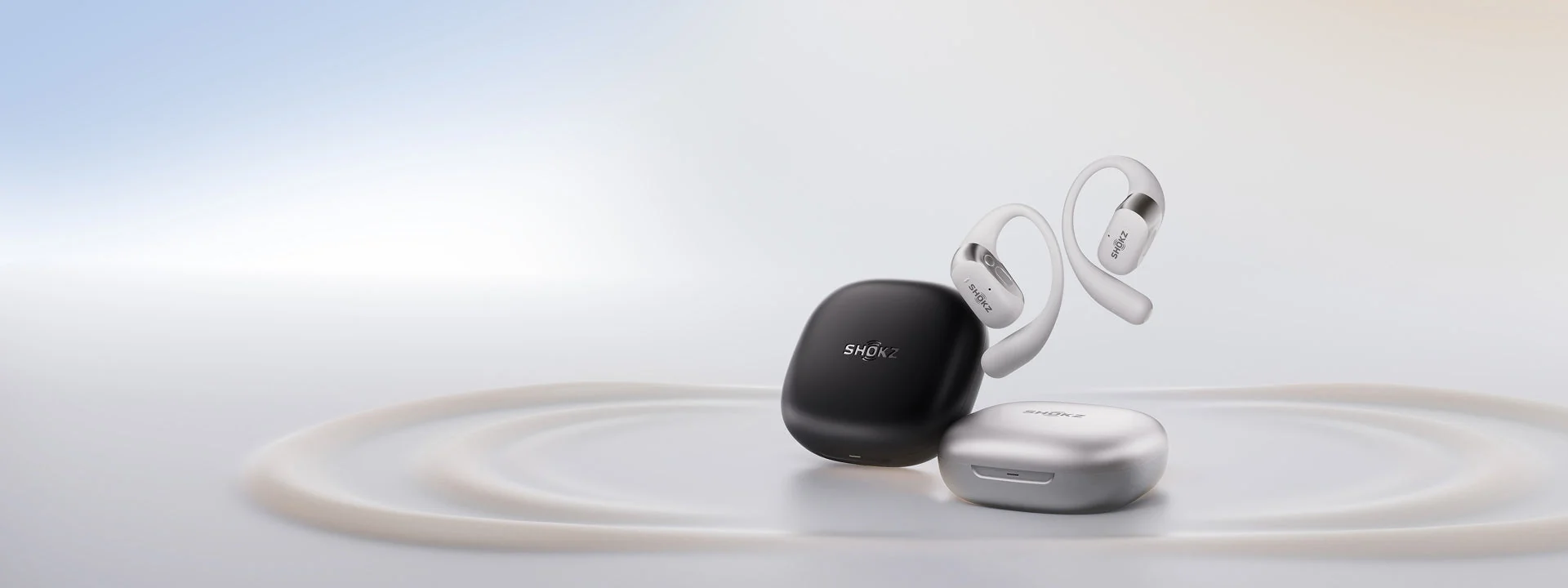
The new model uses a stemmed design and ships in black or green. The charging case is 37 percent smaller than the first-generation Fairbuds case.
Audio is built around 11mm bio-cellulose drivers, speaker units using a plant-based fibre. The buds support LDAC, a Bluetooth format for higher-resolution sound. Multipoint holds connections to two devices at once. The companion app offers a five-band EQ, five sliders for tuning bass to treble. The buds also include Hybrid Active Noise Cancellation, which uses inner and outer microphones to cut background sound. Fairphone
Battery life is rated at 40 hours in total with noise cancellation off. The buds alone run for eight hours, or six hours with ANC on. Charging is over USB-C and takes a couple of hours for a full charge. There is no Qi wireless charging, the common standard for charge pads. The Verge
The battery in each earbud can be removed in less than a minute with no tools. A single T5 screw, a small standard Torx size, secures the cell in the charging case. Fairbuds 2 have seven user-replaceable parts, including eartips and sleeves. Spare parts will be sold on Fairphone's site. The buds carry an IP54 rating for dust, rain and sweat, and include a three-year warranty.
Fairphone says 49 percent of materials in Fairbuds 2 are fair and recycled. The company says replaceable design extends usable life and sourced materials lower input impact. Fairphone describes the product as its next-generation modular wireless earbuds. The European launch was set for October 14, 2026. Fairphone Support The company scheduled a launch premiere on its YouTube channel at 13:00 CET on October 14, 2026.
In my view, the choice Fairphone avoided is the point. LDAC, multipoint, Hybrid ANC and a five-band EQ match what many buyers expect from 2026 earbuds. The specification sits in the middle of the market. The service model does not. Fairphone kept tool-free replacement in the bud and a single-screw cell in the case, cut case size by more than a third, and held the price at £99 / €119 / $119.
Looking at what this means for product lifecycles, the failure points are familiar. Small lithium cells lose capacity. Tips and sleeves wear. Contacts corrode. In sealed designs, one fault retires the whole set. Here the bud cell swaps in under a minute, the case cell needs only a T5 driver, and wear parts are catalog items. That shifts support from full replacement to parts stock, which is simpler for IT buyers and cheaper for owners.
The broader context here is that earbuds have lagged behind phones and laptops on repair, as small size was treated as incompatible with service. Fairbuds 2 points to packaging and choices such as leaving out Qi coils and heavy adhesive, rather than physics, as the limit. If a case 37 percent smaller can still expose the battery without tools, other makers have less reason to glue cells in place. Over time, what this enables is wireless audio you maintain rather than throw away.