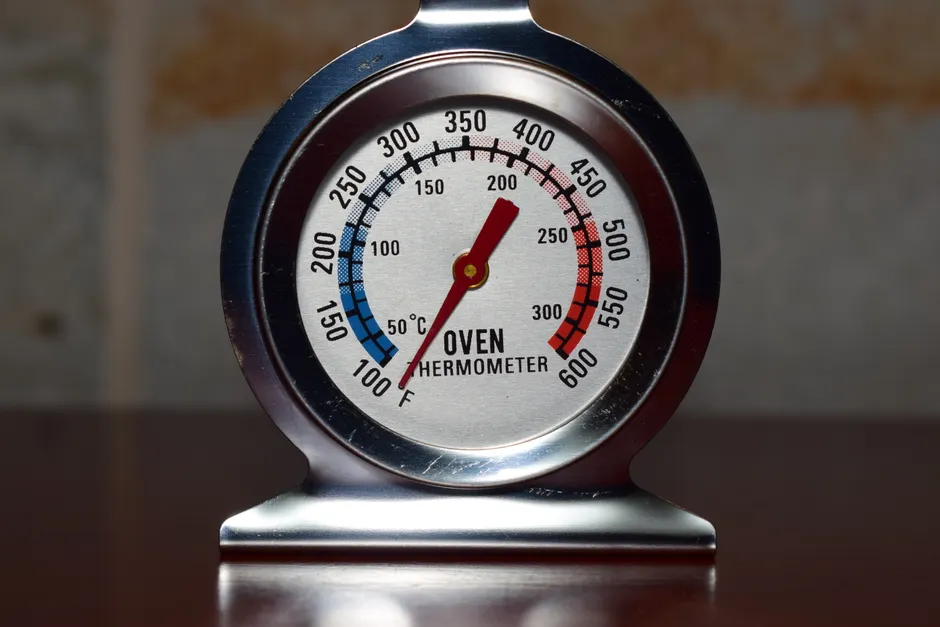
A Deadly Heat Dome Sweeps America: What Happened and Why It Matters
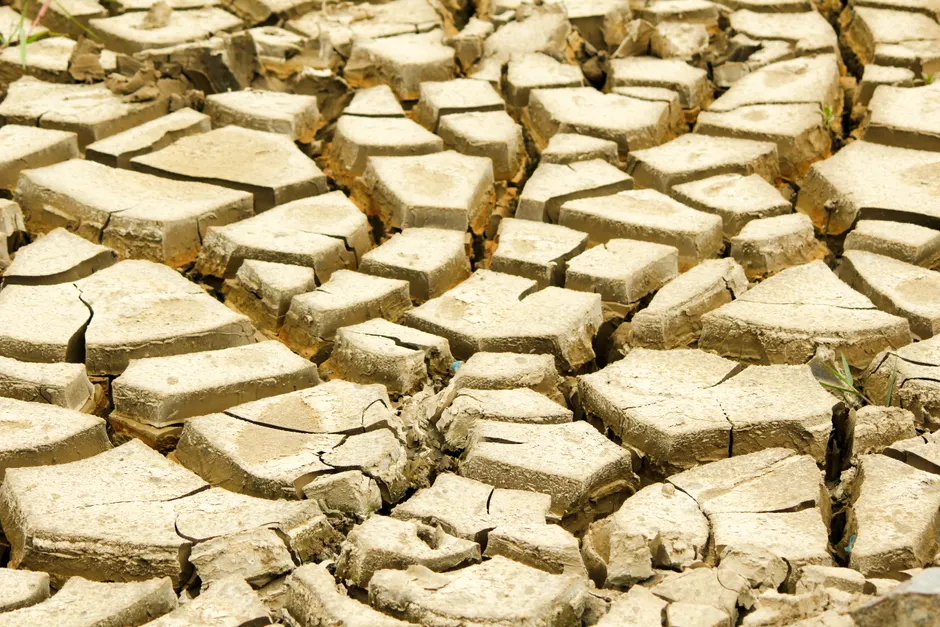
A Deadly Heat Dome Sweeps America: What Happened and Why It Matters
At least two dozen people have died across the United States during an intense heatwave that left more than 140 million people under active heat alerts as of Sunday, July 5, 2026, according to The Guardian. Temperatures exceeded 100°F (38°C) in more than 20 states. A weather pattern called a heat dome — essentially a massive high-pressure system that traps hot air and prevents cooler air from moving in — locked much of the country into extreme heat for multiple days straight through the Independence Day weekend.
Who Died and Where
New Jersey was hit hardest. State officials confirmed 22 heat-related deaths across 10 counties, with the first fatality on Thursday, July 2. Victims ranged from their mid-30s to their 80s. Many were found in homes without air conditioning; others died outside — on streets or in parked vehicles. The New Jersey Department of Public Health stated: "This is not a typical summer heatwave. This type of heat can quickly become life-threatening to humans and to animals of all ages." The state has designated these deaths as heat-related, though the chief medical examiner will complete final determinations.
In Cook County, Illinois, authorities confirmed one death. A government spokesperson told NBC News the person had an underlying heart condition, but heat stress played a role — a pattern that matters for counting. Heat-related deaths are often recorded under other medical causes rather than heat itself, which makes getting an accurate total difficult.
Mississippi recorded at least two deaths. In Hinds County, a 74-year-old man died on July 2 from heat exposure; his body was found behind a gas station after he went missing. The county coroner noted he had a medical condition that affected his judgment. Separately, an 83-year-old woman died in Bolton, Mississippi on June 27 after falling in her garden and being unable to get up for several hours in the heat—a death that came slightly before the main event but happened during the same extended hot spell.
How We Know It Was Dangerous
The National Weather Service issued an Extreme Heat Warning for Philadelphia County, Pennsylvania, lasting through Saturday evening. An "Excessive Heat Warning" kicks in when the Heat Index — a number that combines temperature and humidity to show how hot it actually feels — reaches 113°F or higher. Multiple days of near-record temperatures made conditions especially dangerous. Central Illinois also had Excessive Heat Warnings through the holiday weekend.
Reuters reported on July 4 that tens of millions of Americans were already facing heat warnings as Independence Day began, with huge sections of the country trapped under the heat dome. The National Weather Service later said that cooler air moving in from the north would bring relief in the coming days, including in New Jersey.
Why This Matters
The pattern of who died tells an important story. Victims in homes without air conditioning, in cars, and outdoors reflect something public health experts know well: death from heat concentrates where people lack access to cooling. New Jersey's 22 deaths in roughly three days is a stark number for a Mid-Atlantic state, which historically doesn't face the kind of heat that southwestern cities like Phoenix and Houston experience regularly.
There's another angle worth watching. The FIFA World Cup final is scheduled for July 19 at MetLife Stadium in East Rutherford, New Jersey. Tens of thousands of spectators will attend, and the region is still recovering from this heat event. Event organizers and public health officials will be checking whether leftover heat stress, strain on cooling systems, or crowd conditions require extra safety measures. The improving forecast gives them time to prepare, but two weeks isn't much of a cushion.
The confirmed death count of "at least two dozen" will almost certainly grow as medical examiners finish their reviews. Heat deaths are systematically undercounted when an event is still fresh. Public health agencies use a method called "excess mortality analysis" to calculate true totals, but that process takes weeks or months to complete. What is already clear: this event crossed from being a weather story into a public health crisis.