GFS Pride Sinks Near Hormuz as Attacks on Shipping Intensify
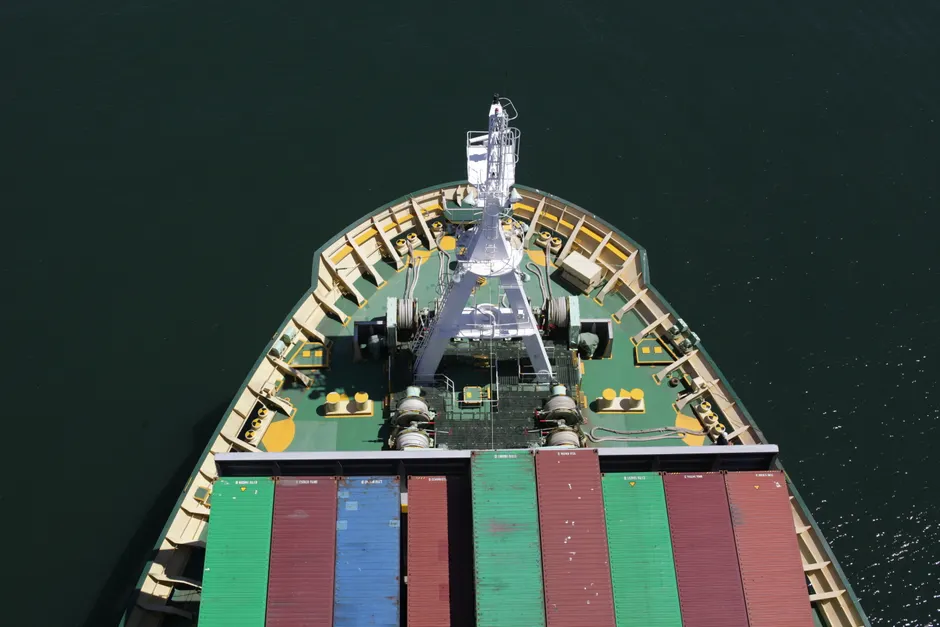
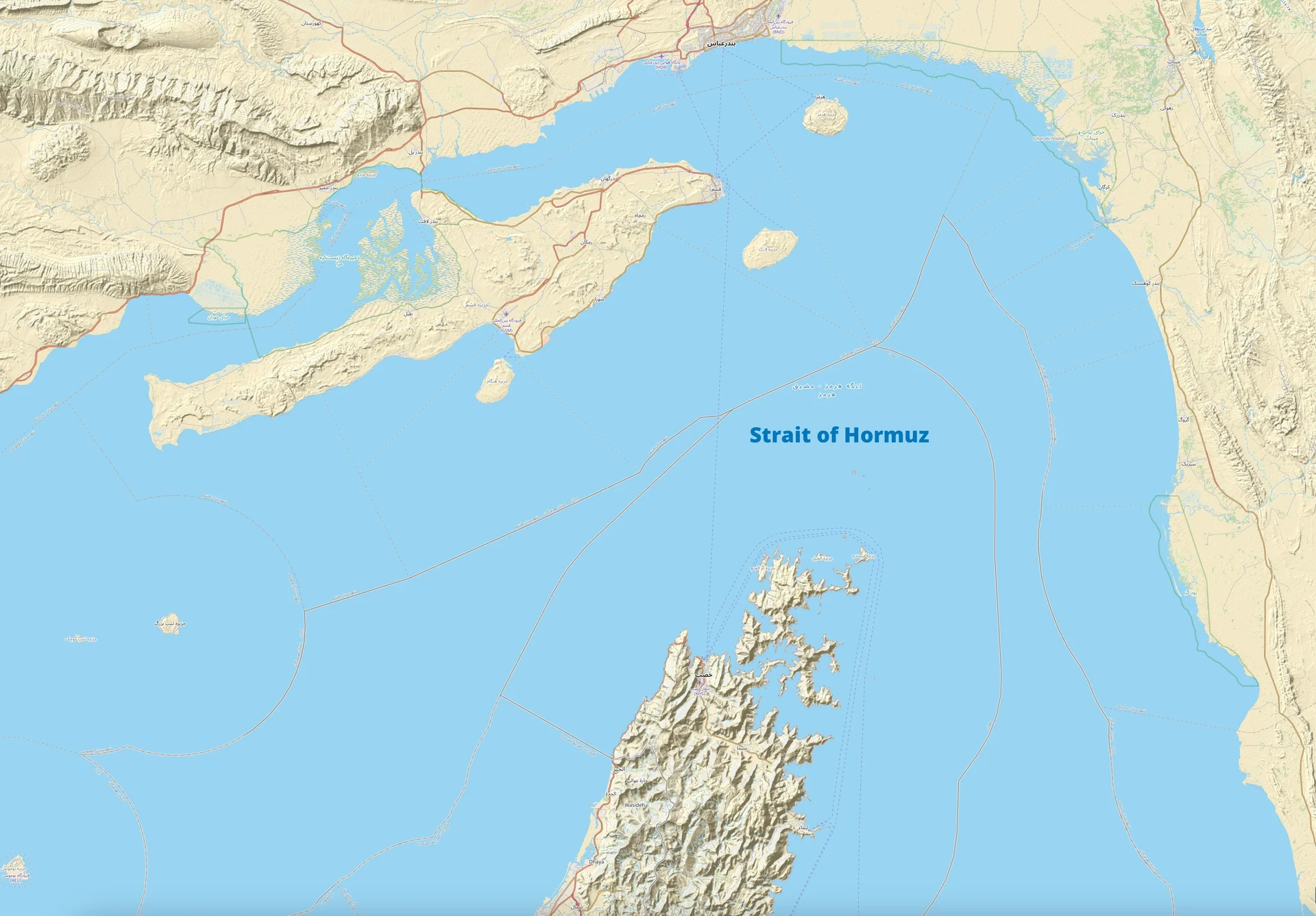
The Singapore-flagged container ship GFS Pride sank near the Strait of Hormuz on 14 October 2026 after being attacked the previous day. The Guardian Regional reporting said the vessel was hit by a projectile. Asharq Al-Awsat
The ship had a capacity of 2,824 TEU. TEU is the standard unit for counting shipping containers. Iranian state television reported the sunken ship was carrying 2,500 containers. United Kingdom Maritime Trade Operations, the British office that tracks threats to merchant ships, said in report #167 that a containership was struck while making an inbound transit through the Strait. Riviera Maritime Media
Iran's Islamic Revolutionary Guard Corps offered a competing account. It claimed a cargo ship sank after hitting a naval mine while travelling an unauthorised passage. Iranian accounts described that passage as an "illegal and dangerous route." The US military has been guiding ships through the Strait on a route nearer to Oman's coast.
The GFS Pride is the second container ship reported in distress in these waters in recent weeks. The Antigua and Barbuda-flagged Cape Dao was reported to be sinking near the Strait after being hit by a projectile on 23 September 2026.
The sinkings sit inside a fast run of strikes. UKMTO reported at least five incidents, including drone strikes, in the 48 hours before 14 October targeting tankers and commercial ships around the Hormuz area. Six vessels were attacked on a single Sunday near Hormuz, according to UKMTO monitoring. Two people were reported missing after Iran-linked attacks in the Strait.
The two-week picture covers more ships. Twenty-four ships were hit in the two weeks to 11 October, including three refined energy product tankers and two crude oil tankers, per Financial Times analysis. UKMTO recorded 11 attacks on commercial vessels in the week ending 9 October, including 10 in the Strait of Hormuz. Iran International UKMTO reported nine attacks on tankers in the Strait in October as of 8 October, amounting to half of the September total. A tanker was hit by multiple projectiles off the north coast of Qatar, according to UKMTO. Al Jazeera
On paper, ships follow a formal traffic separation system, like highway lanes at sea, and a US-guided routing closer to Oman. Alongside that is the IRGC warning over unauthorised passage, with mine risk invoked alongside projectile and drone strikes documented by UKMTO.
For operators trying to make routing decisions, the signals point in different directions. Insurers, flag states and charterers will read those warnings differently. Masters transiting inbound must weigh UKMTO advisories, naval guidance and Iranian statements at the same time.
The broader context here is energy exposure and election timing. US fuel prices have surged by almost 70% since the start of the US-Israel war with Iran. The US midterm elections are scheduled for 3 November 2026. Hormuz disruptions transmit quickly into refined product and crude flows, then into pump prices and freight rates.
Looking at what this means for diplomacy, the incident set tightens constraints on all sides. Washington faces pressure to keep the waterway open without widening direct confrontation before the vote. Tehran retains deniable and attributable tools around the Strait, from mines to uncrewed systems, while asserting regulatory authority over passage. Gulf exporters and Asian importers face the same near-term question of routing, crewing and coverage. The next UKMTO cycle and any decision on convoying or expanded escort near Oman will indicate whether the current rate of hits stabilizes or accelerates.