Kenya's Second Ebola Case Was Caught in Quarantine
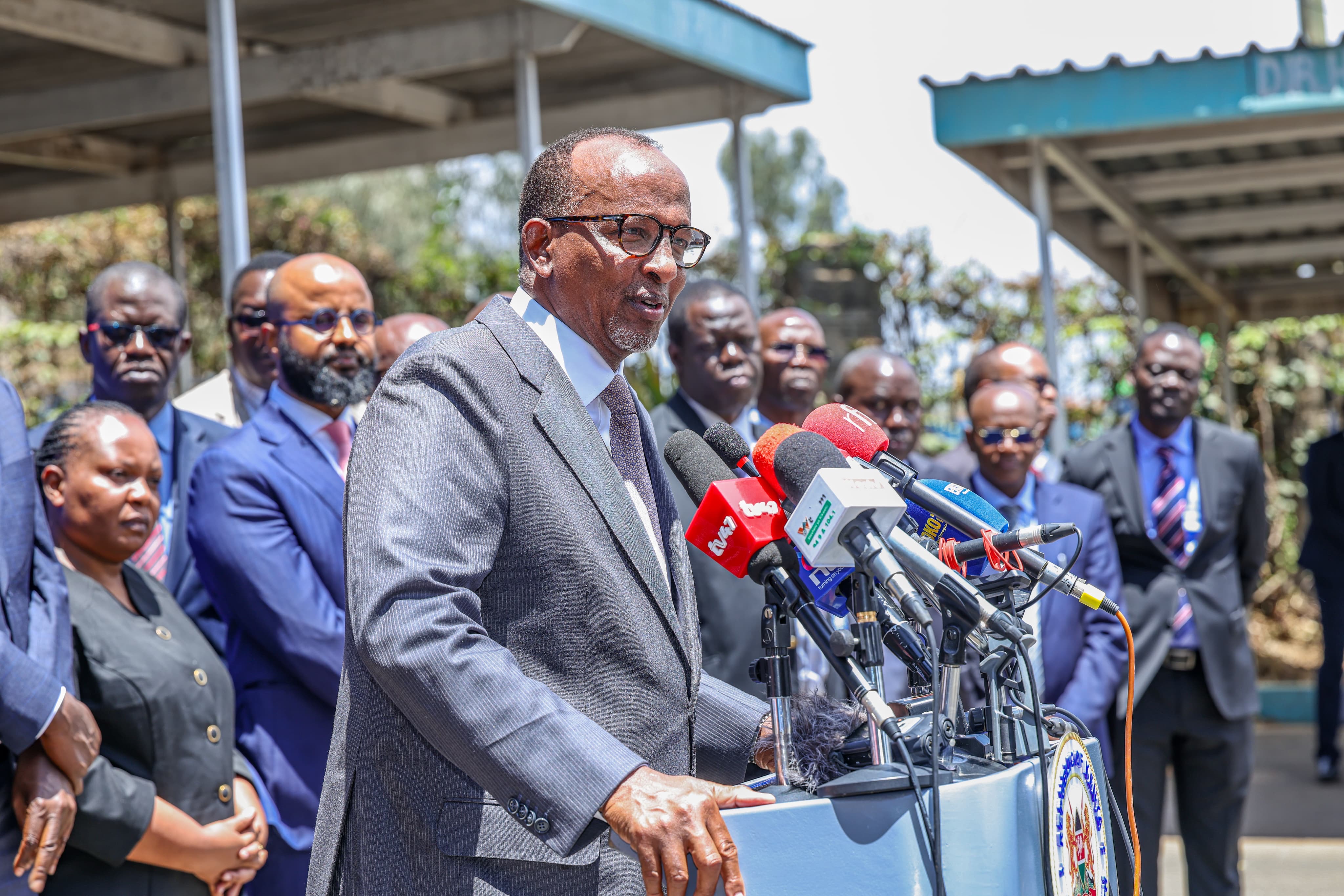
Kenya's Ministry of Health confirmed a second Ebola case on Wednesday, October 14, 2026. Al Jazeera
The patient is a 39-year-old man described as a close family member of the country's first case. He was already in quarantine. He developed fever, fatigue and joint pain on Tuesday, according to the ministry statement.
The first case was an imported Bundibugyo virus disease infection, one type of Ebola disease, in a Kenyan citizen who had been living in the Democratic Republic of the Congo. Health Minister Aden Duale has said the man had lived in Congo for seven years and had fallen ill there about a month before his case was confirmed in Kenya. Reuters
That patient drove from the DRC to Uganda and then flew to Nairobi, where he died two days later at a Nairobi hospital. The death occurred on October 5, 2026. Reuters WHO was informed of the laboratory-confirmed imported Bundibugyo case on October 5, and Kenya's ministry announced confirmation of the first imported case on October 6. WHO
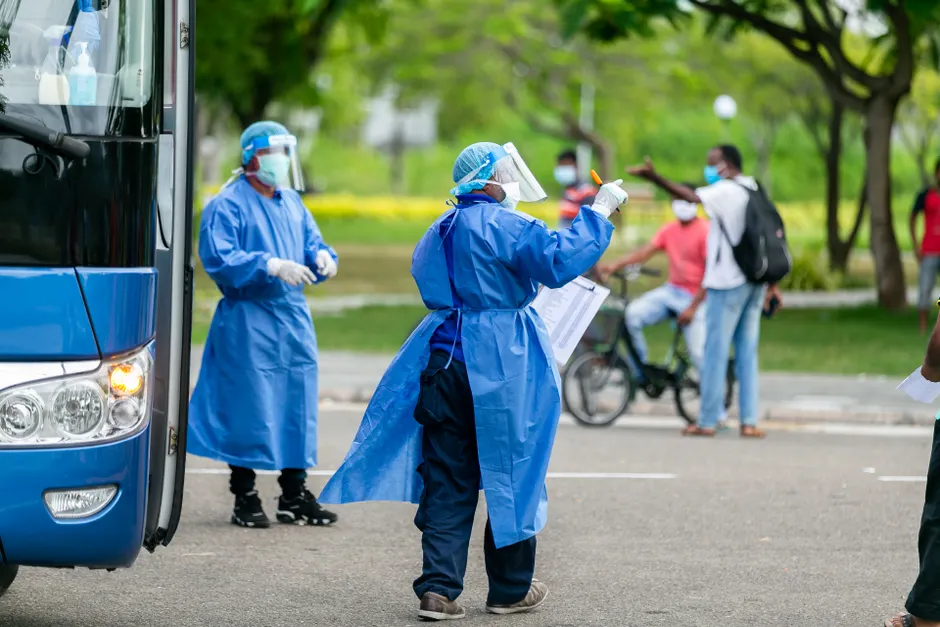
Contact tracing, the process of finding and monitoring people who may have been exposed, began immediately. Duale said on October 7 that health teams had identified at least 57 contacts of the first patient, with 10 placed in immediate quarantine. By October 11, Kenya had conducted 293 Ebola tests since the first patient's death with no new cases recorded at that point.
The ministry has maintained that Kenya does not have an Ebola outbreak, characterizing the initial confirmation as an imported case in a Kenyan national that resulted in death. Kenya Ministry of Health WHO has said it supports control efforts following that confirmation.
The regional backdrop is an Ebola outbreak confirmed in the DRC and in Uganda in May 2026. The border between the DRC and Uganda has been closed since May due to the outbreak. Kenya heightened national preparedness and emergency response measures that same month in response to the regional spread of the Bundibugyo strain. Kenya Ministry of Health
By early July, Kenya assessed its Ebola preparedness score at 66 percent. On July 22, Cabinet Secretary Aden Duale received a humanitarian consignment of Ebola preparedness supplies donated by India to strengthen health security.
The broader context here is containment against movement. Detection of the second infection inside quarantine suggests the follow-up system identified the highest-risk contacts and isolated them before symptom onset. That is the outcome contact tracing is designed to produce. At the same time, the first patient's overland and air journey, including transit through Uganda while the DRC-Uganda border was formally closed, shows the limits of border controls during a prolonged regional outbreak.
Looking at what this means for the response, the next test is narrow. Officials will need to establish whether the 57 known contacts remain the full exposure network, whether additional symptomatic persons emerge from that group, and whether testing can be sustained beyond the initial 293 tests. The distinction Nairobi has drawn between an imported case with secondary spread and a declared outbreak will also face pressure if further quarantined contacts test positive. For now, the signal is mixed but clear. Surveillance caught the second case. It did not prevent the first one from arriving.