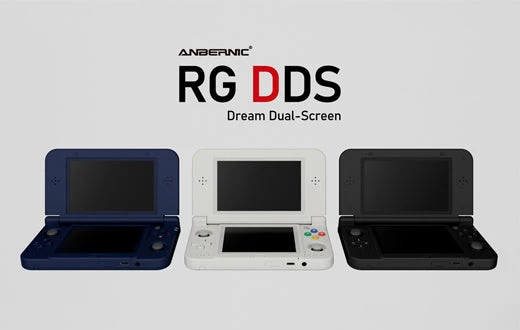
Anbernic RG DDS: Dual-Screen Handheld Targets 3DS, PS3 and Xbox Emulation
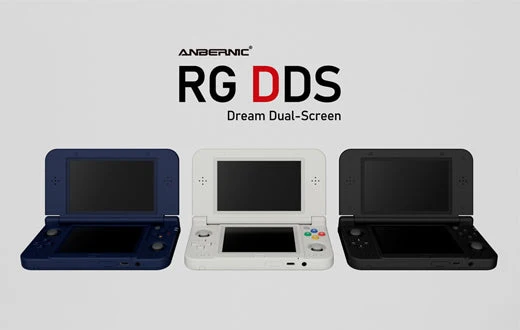
Anbernic has shared new footage of its upcoming RG DDS, short for "Dream Dual Screen," running Nintendo 3DS, Xbox and PlayStation 3 software through emulation. The Verge
The clip is the clearest look yet at the system Anbernic intends as its flagship dual-screen handheld. The company first introduced the RG DDS in an official YouTube video titled 'ANBERNIC RG DDS | Dream Dual-Screen' on Oct. 9, and the new gameplay showcase followed days later.
The screens are built for two-screen games. The RG DDS uses a 4.7-inch top panel at 1,200x720 and a 4-inch bottom panel at 960x720. They keep the Nintendo 3DS shape, or aspect ratio, while offering triple the resolution of the original 3DS screens. Anbernic describes them as custom IPS dual screens, IPS being a common screen type with clear color and wide viewing angles.
The device runs on a Qualcomm Snapdragon G2 Gen 2 chipset with active cooling, a built-in fan for longer sessions. Anbernic has not disclosed clock speeds, memory configurations, TDP targets or sustained performance figures. TDP targets set the planned limits for heat and power. Power comes from a 6,000mAh rechargeable battery. Battery life under emulation load is unspecified.
Input is the biggest shift from Anbernic's earlier dual-screen hardware. The layout adds an analog thumbstick on the lower right, giving full dual-stick control for 3D titles that expect two sticks. It includes built-in vibration feedback and an extendable stylus stored in the chassis for touch input on the lower display. A small button beside the top-right corner of the touchscreen is a shortcut for AI features, though Anbernic has not detailed those features. It does not copy the glasses-free 3D effect of the Nintendo 3DS.
More systems are appearing in footage. Beyond 3DS, Xbox and PS3 titles in the latest video, coverage notes Wii U emulation as well. Notebookcheck A separate account of the first gameplay showcase said the same hardware was shown running PS2, PC and Android titles alongside 3DS, PS3 and Xbox games. Retro Handhelds
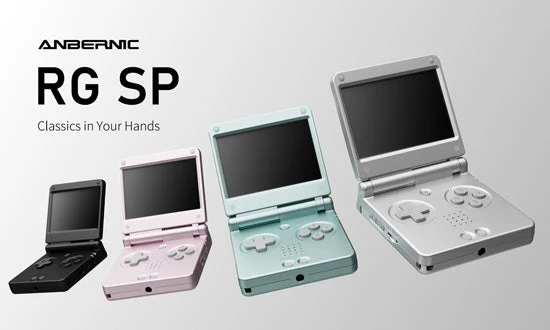
The DDS is Anbernic's third dual-screen handheld in a year. Retro Dodo The RG DS and RG DS Plus start at under $100. The RG DS runs Android 14, includes what Anbernic calls a precise touch pen, and was introduced with a borderless full-screen design. The RG DS Plus uses dual 4.3-inch IPS screens at 1024 x 768 per screen, with touch on the lower display, a capacitive stylus stored in the body, dual alloy hinges with stepless positioning from 15° to 180°, and a Linux interface made for dual-screen play.
Against those models, the DDS is the higher-performance branch. Anbernic lists it as its new flagship dual-screen handheld with a redesigned control center. No price has been announced.
The broader context here is heat and input mapping, not peak chip speed. Dual-screen emulation on handhelds has been limited less by maximum graphics power than by holding steady speeds in a small case, by keeping the two emulated screens in sync, and by handling touch plus stylus input without breaking game logic. Active cooling and a G-series Snapdragon point to longer steady sessions, which suits PS3 and Wii U class workloads.
Looking at what this means for buyers, daily use will turn on touch accuracy, hinge strength over time, stylus feel, dead-zone tuning on the second stick, and how the system lays out single-screen games. With the RG DS line under $100, the DDS will need stable drivers and steady performance across the shown systems, not only in curated clips, to justify a flagship price. The footage sets out intent. Independent testing will show extended play, and what older libraries can stay usable in one handheld.