U.S. EV Sales Rebuilt to 262,649 in Q3 as Market Holds Near 6%

U.S. buyers took home 262,649 new electric vehicles in Q3 2026, according to Cox Automotive. That was up 6.1% from Q2 and equal to about 6.4% of all new-vehicle sales. It was the strongest quarter since the record in Q3 2025. The share in Q2 had been 5.8%.
The result extends a short rebuild. Sales have risen for three quarters in a row through Q3 2026 after a sharp drop when federal tax credits ended, as reported on October 14, 2026. Compared with last year the monthly numbers were still down, but month to month the direction was up.
Cox Automotive put July at 77,266 units, or 5.6% of new-vehicle sales. That was down 41.5% from a year earlier but up 3.2% from June 2026. August was an estimated 78,895 units, according to Cox Automotive, down 46.9% from a year earlier but up 2.5% from July.
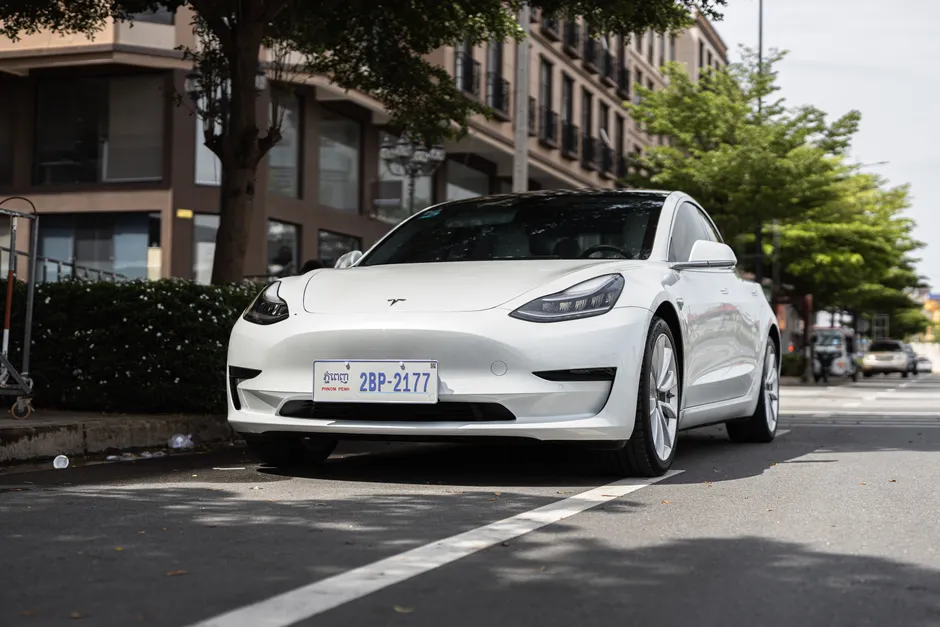
Tesla accounted for more than half of all U.S. EV sales in the quarter, even as its own U.S. sales fell 20% from a year earlier, as reported on October 14, 2026 in TechCrunch. Sales are concentrated, with one company holding most of the volume and all other brands sharing the rest.
The wider Tesla picture was uneven. Third-quarter 2026 deliveries beat Wall Street estimates, according to Reuters. As of October 2, 2026, the company was on course to end two straight years of falling sales. In China, Tesla's China-made sales rose 3.6% from a year earlier in August and 5% from a year earlier in September, according to Reuters.
Hybrids, which pair a gasoline engine with electric assistance, continued to grow faster. Hybrid sales rose 23% in the first three quarters of 2026 from the same period a year earlier, reaching 15.6% of total sales, according to Reuters. That is more than twice the share of battery-electric vehicles, or BEVs, which run on electricity alone. Buyers will pay for better fuel economy and lower running costs without changing how they refuel.
The longer history shows steadiness, not growth. Battery-electric sales were 6% of U.S. new-vehicle sales in the first six months of 2026, down from 7% in the same period in 2025, according to EIA. They were below 6% in each of the remaining months of 2025. That followed a rise from 7.4% of the light-duty market in Q2 2024 to 8.9% in Q3 2024. EVs were 23% of total U.S. luxury vehicle sales in Q1 2025.
Cox Automotive's Q3 forecast update described the plateau in plain terms. New EV sales are stabilizing near 6% share while used EV sales keep hitting record levels. The Kelley Blue Book estimates behind the Q3 total are dated as of October 12, 2026.
The broader context here is a market finding its level without government support. Three quarters of growth after a policy shock matters. It points to base demand for battery-electric cars near 6% of new sales, backed by repeat buyers, fleet sales, and a growing used market that works much like secondhand phones to lower entry prices and reduce risk around resale value.
In my view, that matters for people building technology because the job changes. This is not a rush for volume that hides rough edges. At 6.4% share, with hybrids at 15.6%, progress comes from lower total cost of ownership, dependable charging, stable software, and stronger resale value. The opening remains. A steady base plus record used sales puts more electric miles on the road and gives engineers more real-world data to improve on.