Russia Escalates Missile Strikes on Kyiv as NATO Convenes

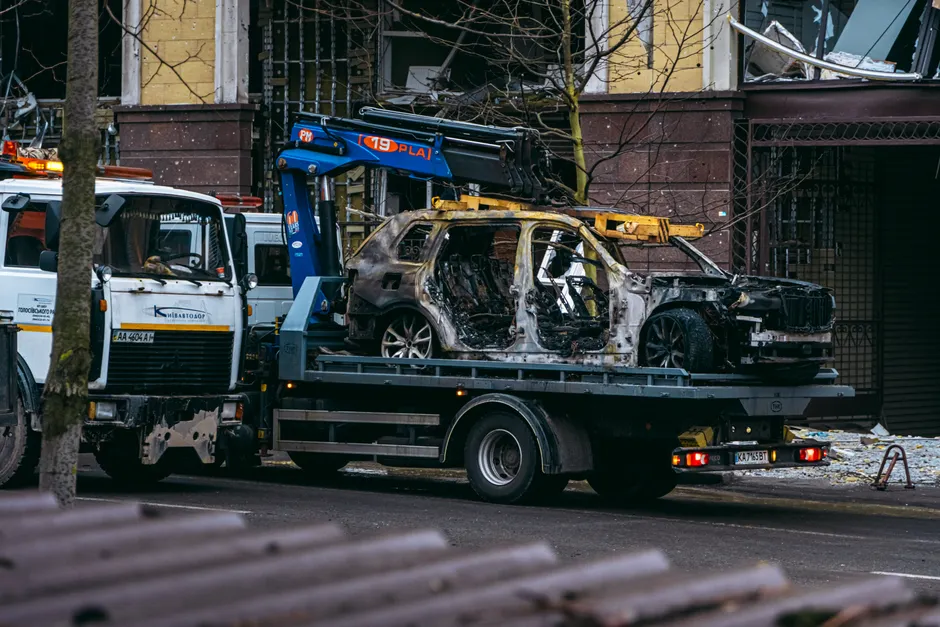
Russia launched a combined ballistic missile and drone attack on Kyiv and surrounding areas on Monday, July 6, 2026, killing at least eight people and wounding 34 others. This was the second major assault on the Ukrainian capital in less than a week, timed to strike the night before NATO allies were set to gather in Ankara.
Seven of the dead were killed within Kyiv city; one was killed in the Bucha district, according to The Guardian. Tymur Tkachenko, the head of Kyiv region's military administration, confirmed via Telegram that "the enemy is striking with ballistic missiles" and reported that apartment buildings and other homes were hit. Mayor Vitali Klitschko said rescue workers were pulling survivors from rubble while air defences were still active, and he urged residents to remain in shelters.
This attack followed a similar one just six days earlier. On July 1–2, another combined missile-and-drone strike killed at least 27 people, prompting Klitschko to declare a day of mourning in a city of roughly three million, per Reuters. Two mass-casualty attacks on the capital within a single week is unusual — it signals an increase in how often Russia is hitting Kyiv, not just how much firepower it is using.
Why the Timing Matters
The timing is unlikely to be coincidental. NATO's summit in Ankara was set to begin on Tuesday, July 7, meaning Russia delivered this strike in the night hours just before the opening session. Historically, Moscow has used major attacks timed around NATO summits as a form of pressure: they send a message to both the Ukrainian people and to the Western leaders gathering to discuss Ukraine's security.
At the Ankara summit, NATO defence ministers will certainly discuss how to improve Ukraine's air defences, whether to expand restrictions on long-range Western weapons, and how quickly to send more arms. Russia's use of ballistic missiles — which are harder to shoot down than cruise missiles or cheaper Shahed drones and give air-defence systems less time to react — will show allied officials exactly where Ukraine's defences still have gaps. The strikes test whether NATO's unity around supporting Ukraine can hold firm.
What the Pattern Reveals
The back-to-back attacks matter both in military and political terms. On the military side, repeated high-tempo strikes drain Ukraine's supply of interceptor missiles — particularly the expensive Patriot and NASAMS systems that protect Kyiv. When Russia mixes ballistic missiles with drones, Ukrainian defenders face a difficult choice: they must simultaneously manage two different kinds of threats using limited ammunition.
On the political side, images of destruction in Kyiv on the eve of a NATO summit give Ukrainian President Volodymyr Zelensky a fresh argument for more air-defence systems and possibly for relaxing limits on how Ukraine can use Western long-range weapons to strike Russian launch sites. Whether the NATO allies act on this pressure during the Ankara summit is the immediate question being watched.
Russia has not publicly confirmed or commented on the July 6 attack, which matches its usual practice of not claiming responsibility for strikes on Ukrainian civilian targets. Ukraine's casualty figures come from Ukrainian officials and have not been independently verified. The death toll may rise as rescue teams continue searching damaged apartment buildings.