YouTube May Add Audiobooks Next Year, Reports Say
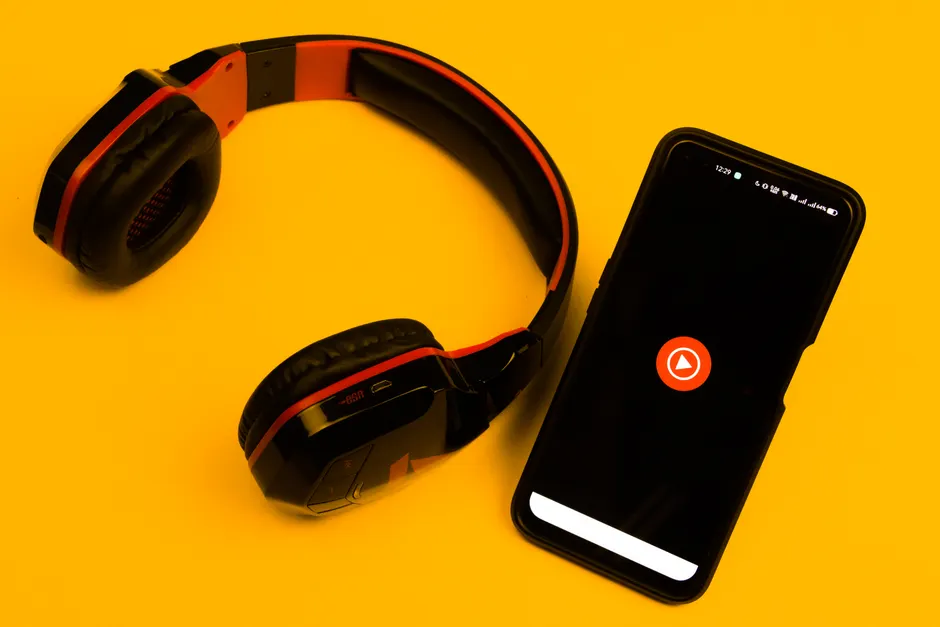
YouTube is preparing to launch an audiobooks feature as soon as next year, according to Engadget citing The Wall Street Journal. The reporting describes a plan still in development.
The Journal laid out the discussions in an article titled "YouTube Is Looking to Expand Into Audiobooks" published Oct. 14. It reported that YouTube, which is owned by Alphabet, has held discussions with publishers about developing the feature. Engadget, reporting Oct. 15, described those talks as having taken place over the previous months.
One option under consideration is bundling audiobooks with the ad-free Premium service costing $16 per month. Engadget reported that detail citing the Journal. Engadget also reported that YouTube had yet to confirm whether it is planning an audiobook section.
The broader context here is familiar to anyone who has followed media systems. Audiobooks sound simple on the surface, files plus saved position plus playback speed. The difficult work sits behind the scenes, in taking in large publisher catalogs, enforcing rights, checking what each user is allowed to play on each device, and tuning search and recommendations for hours-long listening instead of short clips. None of that detail appears in the current reporting, but it is where this kind of project succeeds or stalls.
In my view, the bundling question matters more than the launch date. A separate store and inclusion with Premium create different incentives for publishers, for pricing, and for how listening is counted against a subscription. Bundling makes the pitch to customers simpler and the behind-the-scenes accounting harder. A separate store does the reverse. The fact that bundling is being discussed suggests where the internal debate sits.
In my view, caution makes sense here. A plan described secondhand, with no confirmation and no detail on interface, pricing structure, or catalog, gives builders little to act on. What it does offer is a signal about where platform owners see room to grow, in keeping subscribers and in time spent with audio that does not need a screen. Those incentives tend to persist, even if this project changes shape or timing.
Looking at what this means for people building media platforms, the interesting result is not another tab in an app. It is what happens when long audio becomes a normal part of a system built for discovery and picking up where you left off. Done well, that could make previewing a book, sharing a short clip, and resuming across phone, desktop, and living room feel routine. I have watched my own children move between video and audio without treating the line between them as important, and that habit is worth keeping in mind. That kind of quiet plumbing is often how formats take hold.


