China Tests Submarine Missile in Pacific, Breaking Its Usual Secrecy
China Tests Submarine Missile in Pacific, Breaking Its Usual Secrecy
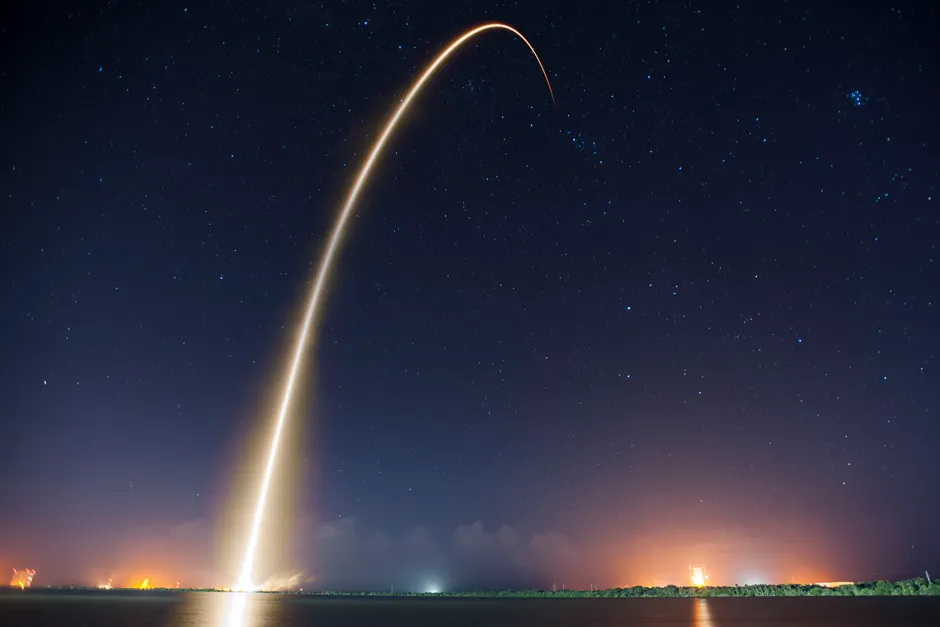
The Chinese military launched a submarine-launched ballistic missile (SLBM) into the Pacific Ocean on July 6, 2026, and announced it the same day through Xinhua News Agency. According to the official statement by reporters Yu Xiaoquan and Sun Fei, the missile carried a training simulation warhead — a dummy payload designed to test the weapon's flight path without using a live nuclear device.
What stands out here is not the test itself, but that China told the world about it so quickly. Beijing has historically kept its nuclear weapons program secret. The military rarely confirms individual SLBM tests, and almost never on the day they happen. The announcement suggests a deliberate choice to be public about this particular launch. Xinhua did not specify which submarine or missile variant was used in the test.
Why the Test Matters
The missile carried a training warhead — essentially a steel replica with instruments inside — rather than an actual nuclear weapon. This is standard practice when militaries want to check whether a weapon system works reliably without deploying live nuclear material. The distinction matters: such tests can be monitored by intelligence agencies and are different from tests that actually practice delivering a real nuclear warhead, though both prove the system is functional.
The Pacific is a natural testing ground. China has fired JL-series missiles there before. The ocean's vast, empty expanse provides the space and instrumentation corridors needed for a full-range test of a missile that can travel thousands of miles.
The Bigger Picture
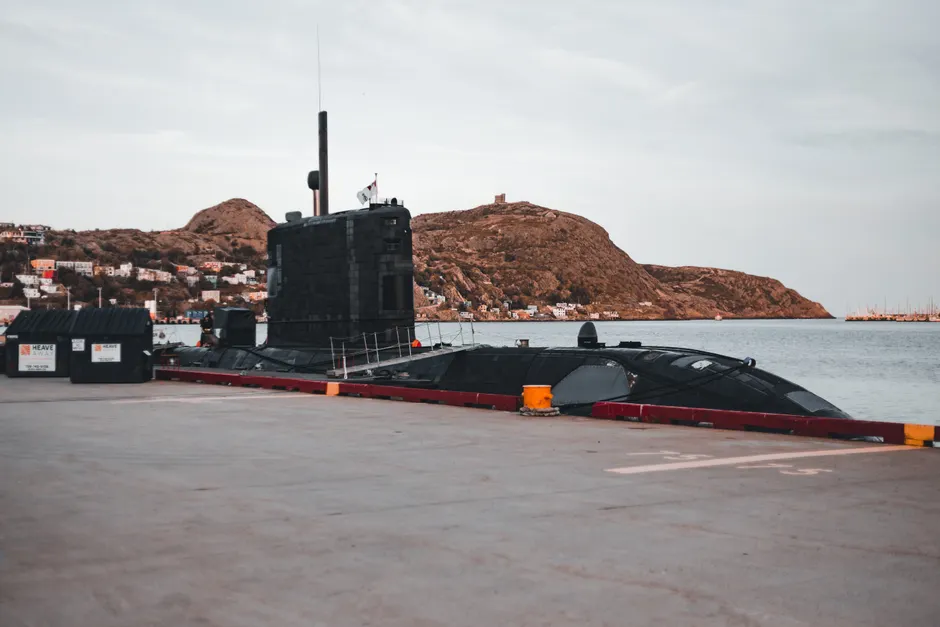
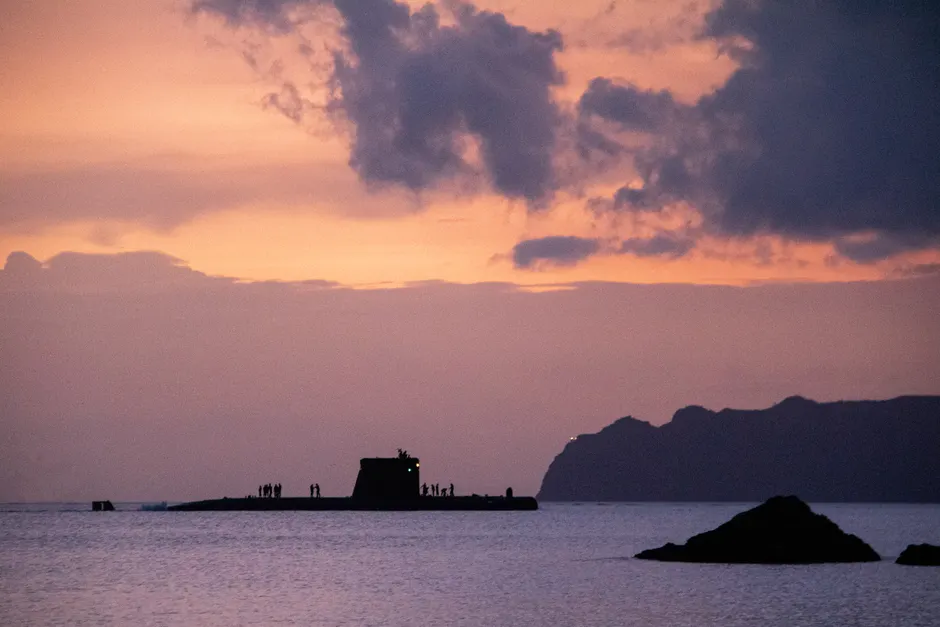
China has been steadily expanding its fleet of submarines that carry nuclear missiles — known as SSBNs. These submarines are meant to be a backup source of nuclear firepower. If land-based missiles were destroyed in a war, submarines at sea could still strike back. The U.S. military and its allies have been watching this expansion closely for years.
When a country publicly announces a nuclear weapons test, it sends a message. The timing and the announcement method both matter. A quick, official acknowledgment — the way the U.S. and Russia sometimes announce their own strategic exercises — is different from the silence that surrounded most of China's previous nuclear development. This could mean China is shifting toward more transparent military signaling as a way to deter rivals. Or it could be a one-time decision linked to specific circumstances right now. The official record does not clarify which.
What Comes Next
As of writing, the U.S. Department of Defense and allied governments had not released public statements. But the test will almost certainly be analyzed in light of current tensions over Taiwan and broader U.S.-China competition for influence in the Pacific region. The U.S. military has been documenting China's nuclear expansion in reports to Congress for years.
How Washington and its allies respond — through formal diplomatic complaints, private messages, or public statements — will itself be a signal about how they view the current state of U.S.-China relations. The test and the reaction to it are part of an ongoing conversation between nuclear powers about power, risk, and credibility.