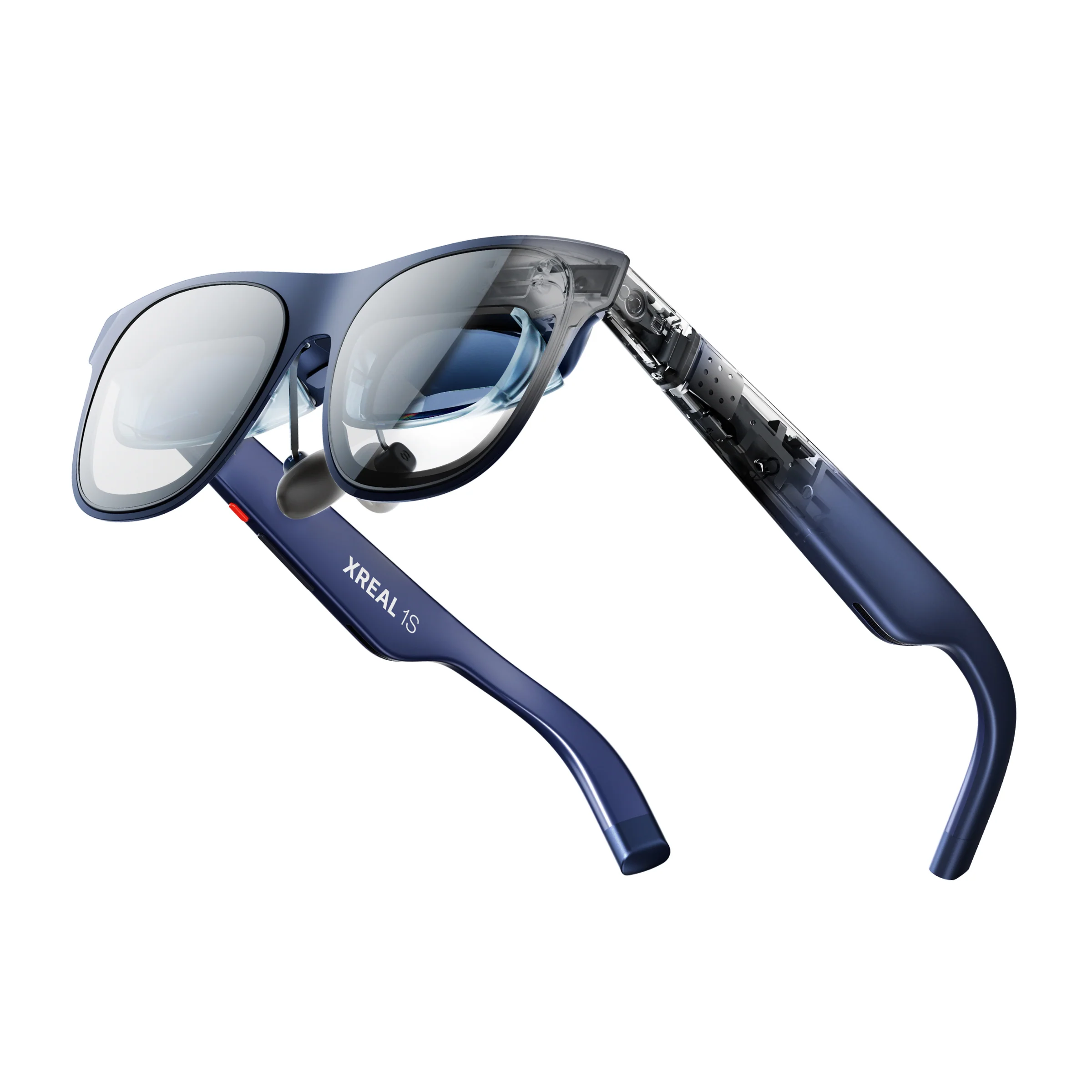
Xreal One Pro+ Keeps the X1 Chip, Adds Brightness and Smoother 2D-to-3D
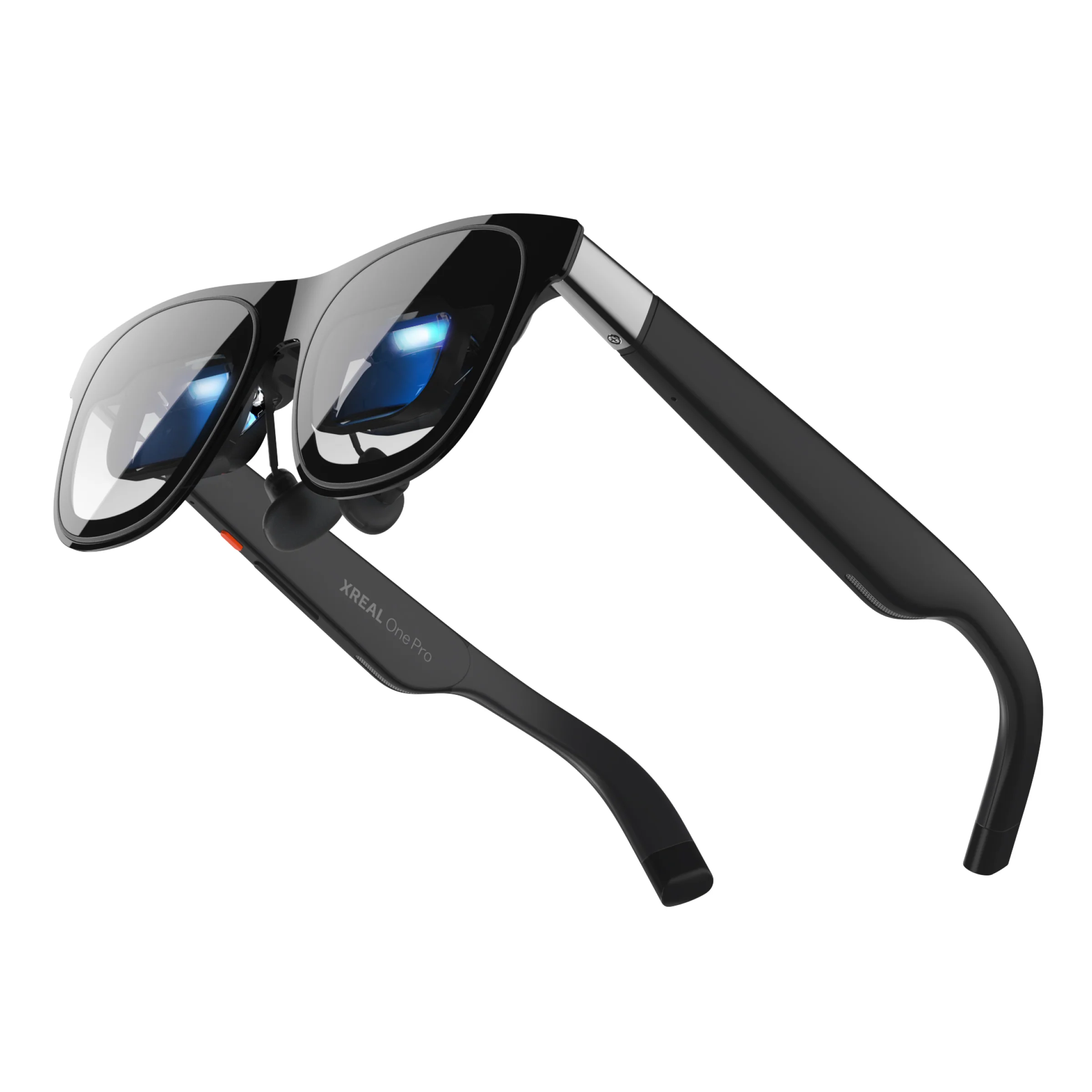
Xreal has released the One Pro+, an upgrade to its One Pro AR glasses. The new model is available now for $600, the same price as the standard One Pro, according to Engadget.
Peak brightness climbs to 1,200 nits, up from 700 nits on the standard One Pro. Nits are the standard unit for screen brightness. The One Pro+ also adds AI HDR upscaling, software processing that lifts contrast and sharpness, to keep text and video readable in high-ambient-light use.
The silicon inside is unchanged. The One Pro+ uses the same X1 spatial computing chip as the One Pro. The change in processing is 2D-to-3D conversion, which adds depth to flat video. It now runs at 60Hz instead of 30Hz. For stereoscopic video and spatialized content, the higher rate cuts judder and timing errors during playback.
Field of view stays at 57 degrees through X-Prism optics, Xreal's light-guide system for sending the image to the eye. The display is a 0.55-inch Sony Micro-OLED, according to Xreal. Refresh rate is 120Hz with 3ms latency. Those figures describe a fast, low-blur tethered viewer, which runs off a connected phone or laptop, rather than a standalone mixed-reality headset with onboard SLAM, or mapping of surroundings, and 6DoF tracking, or full tracking of head movement in space.
Fit and sound are revised. The One Pro+ uses a redesigned nose pad for comfort and stability during long wear. It comes in two IPD sizes, M and L, IPD being the distance between the pupils. Audio is Sound by Bose, with acoustic parts built specifically for AR glasses. There is no camera.
The One Pro was already a step up from its predecessor, with a larger field of view, higher maximum brightness and a lighter design. Xreal has kept several hardware efforts going in 2026. On May 19, 2026, the company said it and Google showed Project Aura at Google I/O 2026. On January 26, 2026, it announced a strategic partnership with ASUS Republic of Gamers and introduced the ROG XREAL R1 AR gaming glasses.
The broader context here for engineers and enterprise buyers is that the One Pro+ updates the display pipeline, not the compute platform. Keeping the X1 while raising brightness, adding HDR processing and doubling the conversion rate points to remaining headroom in Micro-OLED drive and image signal processing, without a need for new chip silicon. For teams shipping video, training or field-service viewers, 1,200 nits with HDR upscaling counts more than raw resolution, because it decides whether text and video stay usable near windows or outdoors.
In my view, the telling choices are price parity and the lack of a camera. Holding at $600 while adding brightness and a new nose design reflects maturing optics supply and attention to extended wear. Leaving out the camera gives up environmental sensing in exchange for privacy and social comfort, a sensible exchange for offices, travel and shared workspaces. It is less ambitious on paper than a full AR headset, and more practical as a bright personal display people will keep wearing.