Xreal's A01 Plus AR Glasses: Lower Price, Fewer Features

Xreal's A01 Plus AR Glasses: Lower Price, Fewer Features
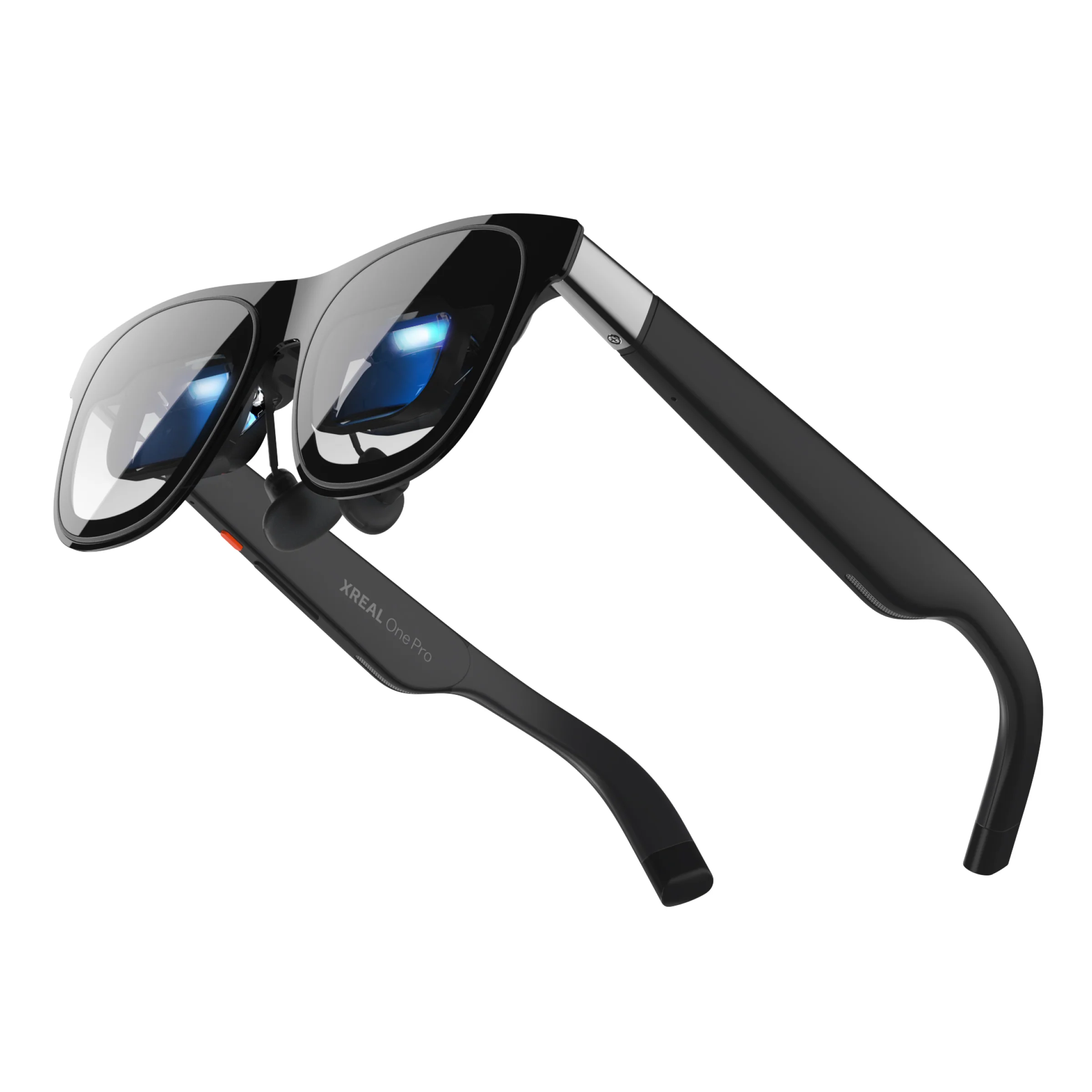
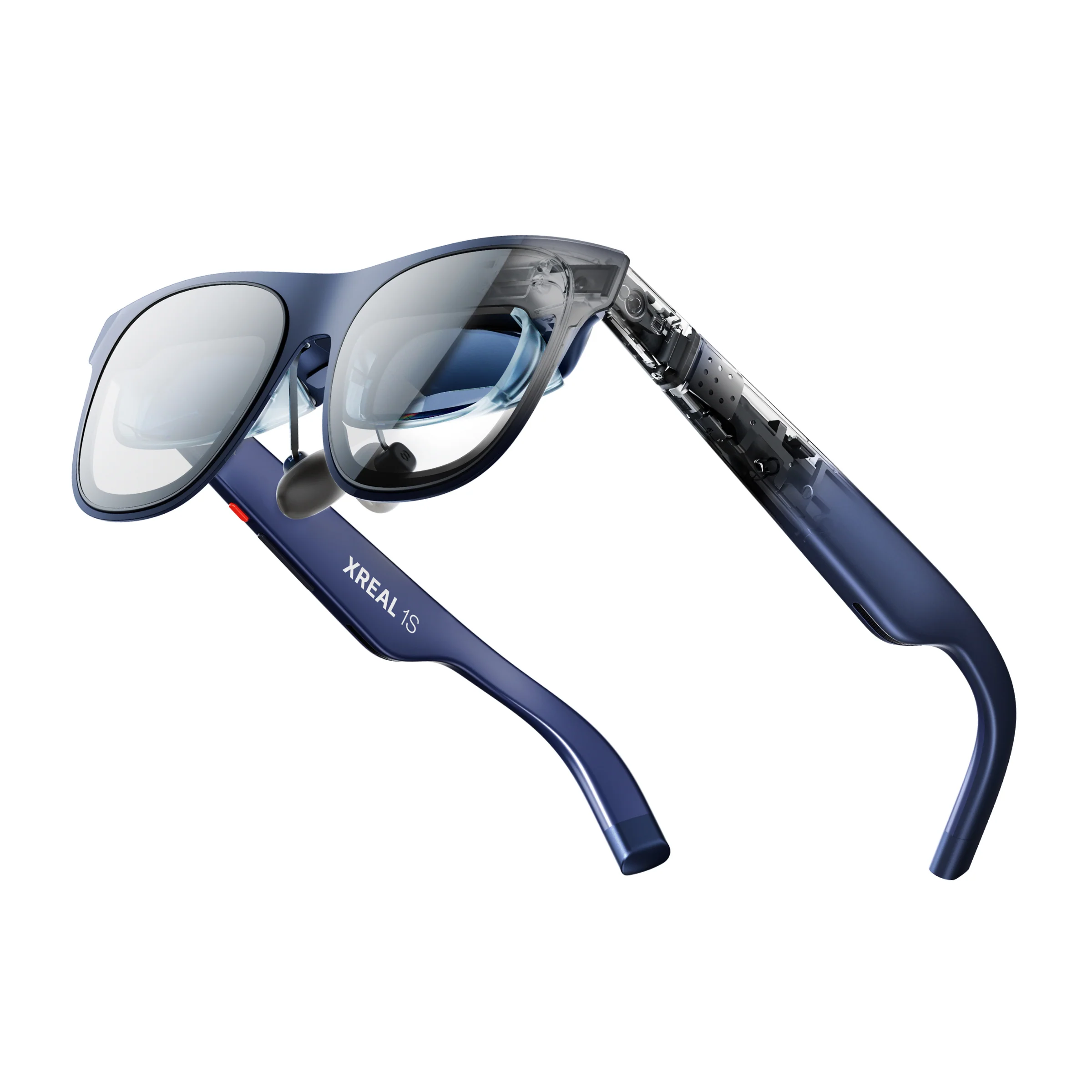
Xreal is launching the A01 Plus AR glasses on July 10, 2026 for $299, a $150 drop from the company's existing Xreal 1S model while shaving more than 20 grams off the weight. The A01 Plus tips the scales at 62 grams compared to the 1S's heavier build The Verge. The new device sits under a sub-brand called X by Xreal (abbreviated XBX), which Xreal created as a more affordable line separate from its main product line Engadget.
On Xreal's support pages and in the US shop, the product is listed as the "xbx a01+" Xreal Tutorials Xreal Shop. The base A01 model appears alongside other Xreal products on the company's support index, suggesting this could be the first of multiple XBX devices rather than a one-off product Xreal Support.
Display and Optics
The A01 Plus delivers display specs that closely match the 1S. It uses micro OLED panels — a type of miniature display technology — paired with a "birdbath" optical design that projects the image to your eyes. Resolution runs at 1080p per eye with a refresh rate of 120Hz, which means the screen updates 120 times per second for smooth motion The Verge. Based on earlier reporting about the base A01 model, the Plus variant likely offers 1.07 billion colors across 14 brightness levels Ubergizmo. The glasses adjust for different interpupillary distances — the space between your pupils — spanning 54.5mm to 74.5mm, a range that covers most adults without needing custom lenses The Verge.
What's Different from the 1S
To hit the lower price and weight, Xreal cut some features. The A01 Plus removes electrochromic lenses — lenses that darken electronically, similar to transitions sunglasses but controlled by a button. The 1S has these; the A01 Plus does not, meaning you lose the ability to adjust tint at will and instead must swap physical lens covers to change brightness The Verge.
The bigger trade-off for some users is the loss of three-degrees-of-freedom tracking (3DoF). Think of this as a feature that locks your virtual display to one spot in space, so when you move your head, the on-screen content stays in place rather than following your gaze. The 1S has this; it's particularly useful if you're using the glasses as a portable monitor for work. The A01 Plus instead includes a software stabilization toggle that dampens unwanted screen movement without fully anchoring the display, but it does not lock it to a fixed point in space The Verge.
To work around the missing electrochromic tint, Xreal includes a modular shell system — the front covers are swappable, so you can choose a tinted option or a fully light-blocking cover depending on your lighting environment The Verge. The package also ships with a hard case rather than a soft pouch, a departure from earlier Xreal models.
Launch and Announcement
Notably, Xreal has not published a formal press release on its own website announcing the A01 Plus. Instead, coverage traces back to hands-on previews from outlets like The Verge, Engadget, and Ubergizmo, with the same July 10, 2026 date appearing on both the US and European Xreal shops Xreal Shop Xreal EU Shop.
Context and Trade-Offs
For users who depend on screen-lock stabilization to keep a virtual desktop steady while working, the loss of 3DoF is worth paying attention to. Software-based smoothing — which is likely what the stabilization toggle does — works differently from spatial anchoring and will feel noticeably different in practice. If you're coming from the 1S or other tethered AR displays with full 3DoF, this is a genuine step down, not a simple cost reduction.
The swap from electronic tint to mechanical lens covers, by contrast, is a sensible engineering choice. Electrochromic film adds cost and requires an extra driver chip; mechanical covers are cheaper, tend to last longer, and sidestep firmware complications, even though they ask you to physically change the lenses rather than tap a button. This type of trade-off — using a mechanical solution instead of an electronic one to cut costs — appears frequently across consumer hardware.
The XBX sub-brand strategy looks deliberate. By positioning the A01 Plus under a separate label rather than calling it the Xreal 2 or something similar, Xreal creates distance between a budget tier and its premium models without watering down the flagship specs. Whether this strategy makes sense long-term depends on what comes next; if XBX remains a single product line, it's just a pricing tier. If Xreal expands XBX into a broader family, it suggests a genuine segmentation plan. No roadmap beyond the current A01 models has surfaced directly from Xreal, so that question remains open.
At $299, the A01 Plus undercuts most competing AR displays with comparable OLED resolution and refresh rate. For buyers who thought $449 was too steep for the 1S, this lower price point opens access to a genuinely capable pass-through AR display. That affordability is likely the spec that will matter most once the glasses reach reviewers and early adopters.