RTX Spark Explained: Nvidia's AI Laptop Chip, Windows Agents and the Arm Switch
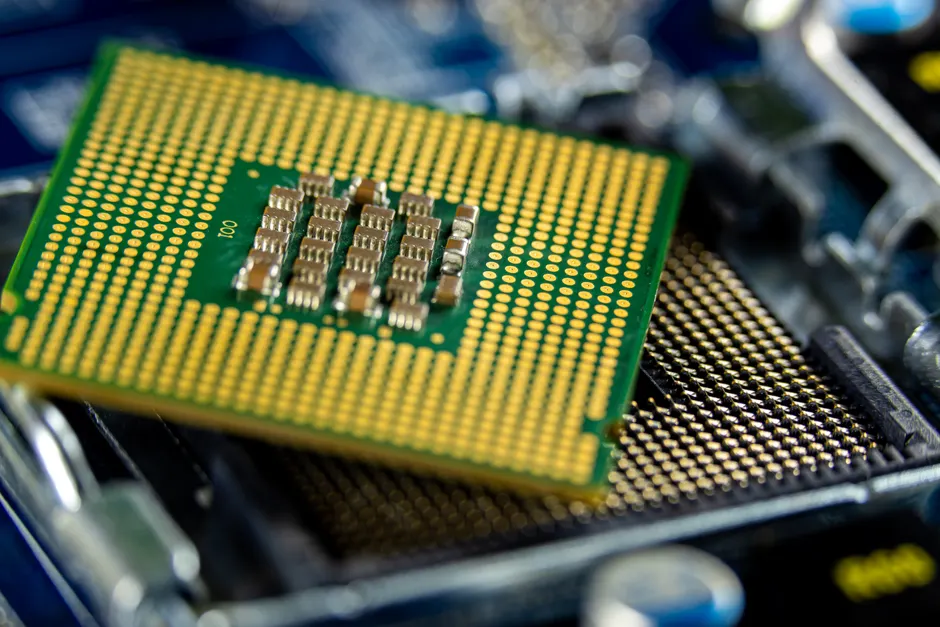
Nvidia's RTX Spark launches on October 16. Nvidia Lenovo and Acer will release the first Windows PCs built around the chip in October. Reuters Microsoft and Nvidia previewed that first wave of laptops at an event in San Francisco. The Verge
The platform combines an Arm CPU, a Blackwell GPU and unified memory to run AI models directly on the laptop. The Verge Unified memory means the processor and graphics share one memory pool instead of copying data between separate pools. Nvidia puts AI performance at 1 petaflop, or one quadrillion AI operations per second. Nvidia The hardware comes in slim laptops and small desktops, with the slim laptops designed to last all day on battery. Nvidia
Nvidia describes RTX Spark as powering the world's first Windows PCs purpose-built for personal agents, software assistants that can complete multi-step tasks inside Windows. Nvidia The company says it brings the full Nvidia AI stack, its layered set of tools and libraries for building and running AI, to Windows laptops and compact desktops. Nvidia That one PC is positioned to handle AI development, creation and gaming.
Hermes, Perplexity and OpenClaw are the first three officially supported AI agents in Windows at launch. The Verge The agents install and update through the Windows Store. RTX Spark laptops add a new Windows Get Started screen that is designed to let a user find and install an agent in two clicks.
RTX Spark laptops use Arm-based chips rather than the x64 design used by AMD and Intel. Apps without a native Arm version run through Microsoft's Prism emulator, a translation layer that converts x64 instructions to Arm at run time. Microsoft tuned that x64-to-Arm translation for RTX Spark's microarchitecture, the internal design of the chip. It will ship a Prism update every month to improve compatibility.
The Windows changes go beyond emulation for developers. Windows Developer Configurations, templates that set up a machine for coding work, became generally available as part of Microsoft's developer-friendly Windows changes. Peter Dawoud is a principal program manager at Microsoft tracking that work.
Looking at what this means for people who build and maintain systems, the decision to ship hardware, translation and agent distribution together stands out. Local models on shared memory help only if the rest of the daily tools run without extra work. A monthly Prism schedule tuned for one chip suggests Microsoft treats compatibility as ongoing maintenance. That will matter for company PC images and developer machines, where one unported utility can block wider use.
In my view, Store-based install and updates for agents carry similar weight. It gives IT teams a familiar way to package and service software that usually changes fast and is hard to version. Two-click setup lowers the starting cost. The trade-off is central control. Agent makers must work within Store rules and release timing, and shops that limit Store access will need a clear policy for these agents.
The broader context here is hopeful for practical local AI. One portable machine that can cover development, creative work, gaming and agents removes the need to split tasks across systems or send everything to remote servers. Results will turn on plain details: battery life under heavy load, heat in thin cases, and whether monthly updates steadily reduce the number of apps that feel slower on Arm. If those details improve quietly, having a personal agent on the laptop could soon feel routine.


