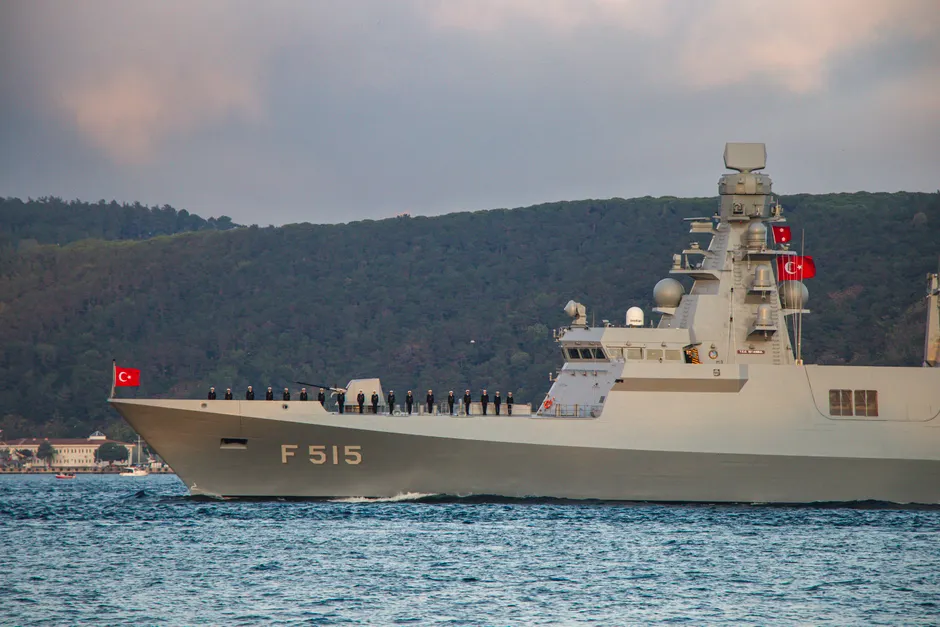
NATO's Ankara Summit Tests Alliance Unity as Defense Spending Takes Center Stage
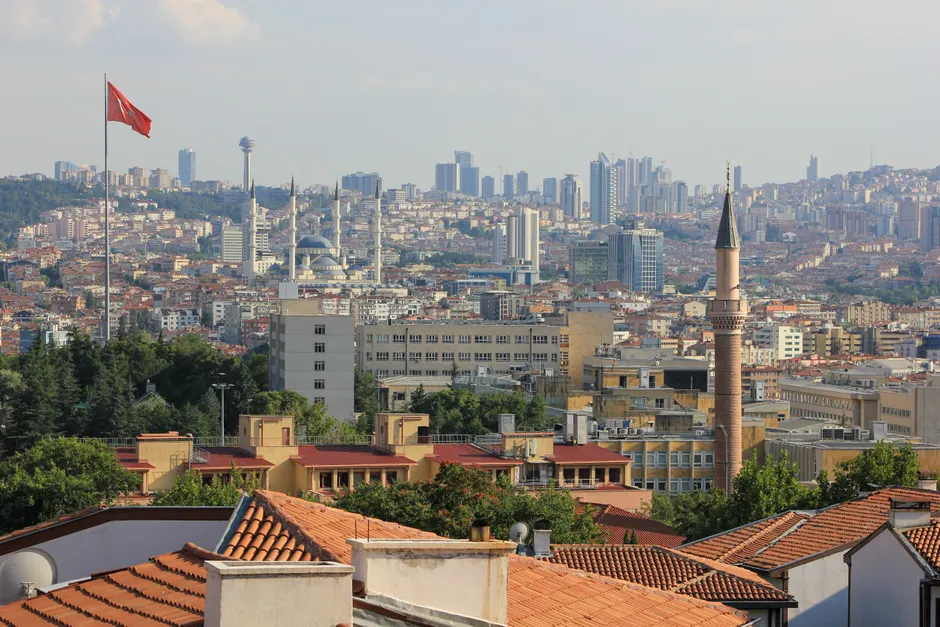
NATO's 36th summit opens in Ankara on 7 July 2026, bringing together 32 Allied heads of state and government at the Beştepe presidential complex for a two-day session that will formally review commitments made at last year's The Hague meeting and test the political cohesion of an alliance under visible strain.
Reuters reported on 30 June that the guest list extends beyond the Alliance's membership, with officials from Gulf states and Asia-Pacific partners also attending — a pattern that has grown since 2022 as NATO draws in partner nations whose security concerns overlap with the alliance's strategic interests. NATO's published event programme lists all agenda items with timing in TRT (UTC+3).
Ankara's Hosting Role
This is only the second time Turkey has hosted a NATO summit, the first being the 2004 Istanbul meeting — a 22-year gap that reflects routine rotation of host duties and the particular complexity of Ankara's relationship with the Alliance over that period. Secretary General Mark Rutte formally announced the venue in August 2025, giving Turkey a full year to prepare and shape its hosting role.
Turkey has used that preparation window deliberately. The Turkish Presidency stated in June 2026 that preparations had been intensified with the explicit goal of making the summit "a reference point in the history of NATO." Foreign Minister Hakan Fidan framed the hosting role as part of a broader multilateral year for Turkey, citing the NATO summit alongside the Organisation of Turkic States summit and the UN Climate Change summit. Ankara is projecting itself as an indispensable convening power — a role that carries political weight beyond logistics.
On substance, Turkey has been clear about its priorities. Reuters reported in May 2026 that Turkey would use the summit to press allies to reaffirm the Alliance's unity — a call that carries particular weight in the current period of visible strains within NATO.
The Question of US Commitment
The summit's atmosphere was shaped in advance by uncertainty over US participation. The Washington Post reported on 3 July 2026 that diplomats had been tracking for weeks whether President Trump would attend. DW News framed the summit as a test of NATO unity — a characterisation that has become routine for summits in the Trump era but reflects a genuine structural reality.
NATO operates by consensus: all member states must agree for decisions to move forward. This means any visible friction between Washington and European capitals plays out immediately in the final communiqué language, in burden-sharing commitments, and in how forcefully leaders signal resolve on specific military theatres. Turkey, as host, has a direct interest in a clean and affirmative closing statement. The degree to which that happens will be read carefully in Moscow, Beijing, and allied capitals as a barometer of collective American commitment to the alliance.
Defense Spending: The Scorecard
One concrete deliverable on the programme is the NATO Summit Defence Industry Forum, which NATO's agenda describes as focused on Allied progress towards NATO's 5% defence investment plan. That target — 5% of GDP (gross domestic product) directed toward defence and defence-related spending — has been among the most contested metrics in burden-sharing discussions since it was proposed. The forum gives defence ministers and industry stakeholders a structured space to assess where member states stand against that benchmark and where gaps remain.
Since The Hague summit last year, several European members have sharply accelerated their defence budgets. The question for Ankara is whether the aggregate picture is enough to sustain political momentum on rearmament commitments going forward. The investment forum will function as both a scorecard and a mechanism for sustained pressure. Because the Ankara session comes roughly a year after The Hague and is itself expected to set the trajectory for the following year, the communiqué language will be parsed closely by officials across allied and competing capitals alike.