Iran Buries Khamenei as Leadership Question Looms

Iran Buries Khamenei as Leadership Question Looms
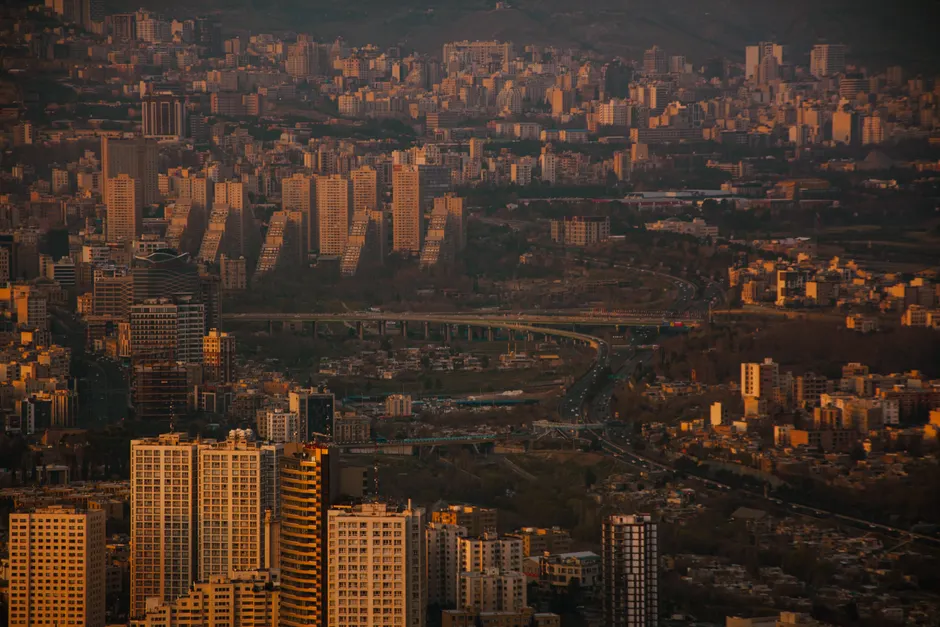
Ayatollah Ali Khamenei's flag-draped coffin moved through central Tehran on Monday, July 6, 2026, carried on a truck that crept through dense crowds of black-clad mourners. It was the largest state funeral Iran has held since Ayatollah Khomeini's death in 1989. Khamenei was killed in February when the US and Israel went to war, along with several family members whose coffins traveled alongside his, according to IRNA.
The route ran from Damavand Street in eastern Tehran westward through Enqelab and Azadi streets, ending at Azadi Square. The path carried both practical and symbolic weight: in Iran's government system, the routes chosen for state events carry meaning. At Enghelab Square, mourners held Iranian flags and red banners. In Iranian Shia tradition, red cloth signals martyrdom and a call for justice or revenge. Mourners beat their chests as the convoy passed, PressTV reported.
The memorial ceremonies began in Tehran on Friday, July 3, with foreign visitors who had traveled specifically to attend. Khamenei's body lay in state at Tehran's Grand Mosalla for three days before Monday's procession, according to NBC News. Iranian authorities expected millions would turn out for the Tehran portion. Iranian President Masoud Pezeshkian attended and was scheduled to travel to Iraq for funeral observances there, PressTV reported. A final procession is set for Thursday, July 9, in Mashhad, where Khamenei and his family members will be buried at the shrine of Imam Reza — IRNA confirmed the burial site. Mashhad carries its own meaning: it is Khamenei's birthplace and a spiritual center of Shia Islam in Iran.
Three of Khamenei's sons appeared at the funeral ceremonies and prayed beside his coffin. Conspicuously absent, Reuters reported, was his designated successor—a detail that sharpens an already urgent question about Iran's future leadership.
Here is the broader context. Iran's Supreme Leader is the most powerful position in the government. The Assembly of Experts, a body of senior clerics, holds the constitutional power to choose who fills this role. They must now make that choice under conditions of active war, external pressure, and an internal power landscape already shifted by Khamenei's five-year effort to build support among military and clerical factions for a particular heir. The successor's absence from the funeral rites sends a signal that both Iranian experts and regional analysts will interpret carefully. Whether the absence reflects security concerns, internal political maneuvering, or both is not yet clear—and that uncertainty itself matters.
The BBC's chief international correspondent Lyse Doucet reported from Tehran under a restriction imposed by Iranian authorities: none of her material could be used on the BBC's Persian Service. This restriction, applied to international media organizations in Iran, shows the government's ongoing concern about information reaching the Persian-speaking diaspora and the Iranian public. Even during an event staged to demonstrate national unity, the regime limits what can be broadcast.
The streets of Tehran told a split story. The New York Times noted that as mourners descended on the capital, many city residents fled. Iran has a long tradition of state-organized funeral turnout—the Islamic Republic sees mass mourning as both political theater and a civic duty—but the parallel exodus suggests the mixed feelings a new leadership will face in the years ahead.
The succession that unfolds after the Mashhad burial on July 9 will unfold under circumstances the Islamic Republic has never managed before. The last transfer of power, from Khomeini to Khamenei in 1989, happened during peace and while Khomeini could still signal his preferences to the Assembly. This transition happens during wartime, with institutional machinery under strain and the entire region in flux. The Assembly of Experts will convene under conditions genuinely without modern precedent in Iranian history.