Meta's Muse Spark Open Puts a Giant Open Model on High-End Macs

Meta launched Muse Spark Open on Oct. 15, 2026, an open-weight model with 816 billion parameters and a 1 million token context window. Meta describes the system as the "most capable" open-weight model in the United States. TechCrunch
The model is natively multimodal. That means it handles text, images and video as core inputs, not as add-ons. Meta released evaluation results on Oct. 15, 2026, claiming superior performance to other popular open-weight models.
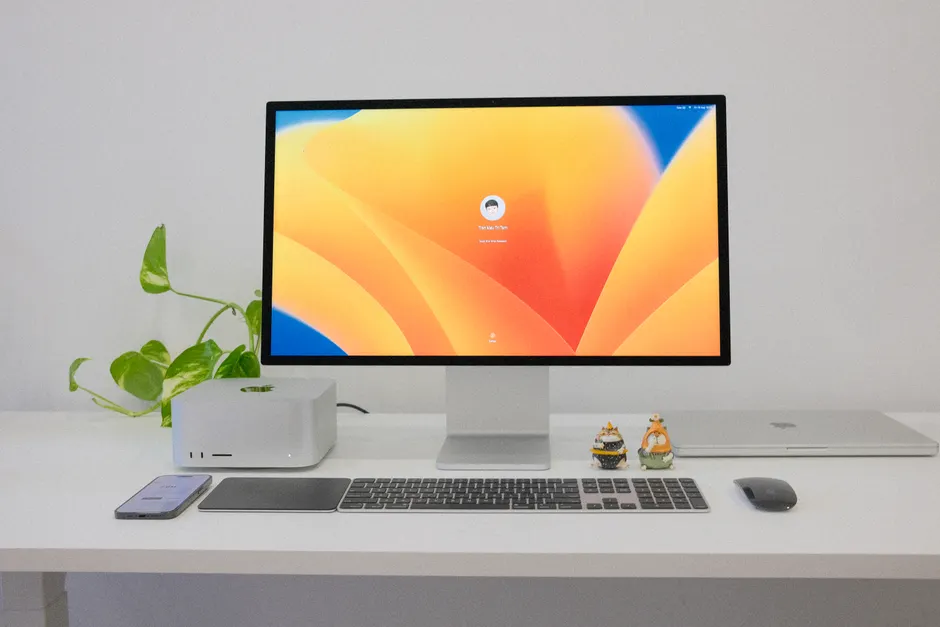
Meta designed Muse Spark Open to run locally on Apple Mac computers. Apple and Meta are collaborating to let developers run the model locally on high-end Macs. CNBC
It requires at least 1 terabyte of RAM to run locally. It runs best on Mac Studio equipped with the M5 Ultra chip. TechCrunch Meta also made the model available through multiple API platforms for teams that do not have that class of hardware on hand.
For hands-on work, Meta paired Muse Spark Open with Muse Code, its AI coding terminal. In one demonstration, the combination handled coding fixes for a Mastodon client, covering bug fixes, new features and a full build. Meta says the model is also capable of reviewing and cropping footage in DaVinci Resolve video editing software.
There is separate friction around data access. On Oct. 2, 2026, Apple said it will flag AI requests for Mac data after Meta's Muse drew complaints. Reuters
The broader context here is the trade-off between open weights and operability. Weights that can be downloaded and inspected give expert teams auditability, fine-tuning control and freedom from a single hosted endpoint. That freedom has a hardware cost. An 816-billion-parameter model with a 1 million token context window strains memory capacity, memory bandwidth and inference latency, the wait for a response, even before multimodal inputs are added.
In my view, targeting the workstation rather than the cluster is the decision to watch. Local inference tightens iteration. Proprietary code and uncut footage stay on the machine. Experimentation does not meter by the token. The cost is concentration. Only a narrow slice of developers has 1 terabyte of RAM, which makes the API option a necessity for broad evaluation, not a footnote.
Looking at what this means for working developers, the two demonstrations test endurance. The Mastodon exercise covers sustained edits across an existing codebase, not short snippets. The DaVinci Resolve work tests temporal reasoning and tool use inside a demanding desktop application. Both reward long context and persistent state. If independent testing confirms the evaluation claims, local agents that read, build and revise large projects become more practical.
Worth flagging is the permission question. Flagging AI requests for Mac data addresses trust at the operating system layer, where users actually experience it. Open-weight models do not resolve that layer by themselves. Developers will need to be explicit about what leaves the machine, what stays local, and when an API call replaces local compute.
The long arc here points toward more capable tools in the hands of smaller teams. My kids grew up switching between phones, laptops and cloud docs without thinking about where compute lived. Engineers now face a similar abstraction. Whether the weights run in local memory or behind an API, the practical question is what a competent engineer or editor can finish in an afternoon that previously took a week.