Tressfecta's Plait Pilot Takes On Braiding Hair Prep
Tressfecta is developing Plait Pilot, a device that handles separation of bulk braiding hair before installation starts. The company is pre-launch, meaning it is not yet selling, and is working from a prototype. It appeared as one of TechCrunch's Battlefield 200 companies at Disrupt in San Francisco. TechCrunch
The founder is Aisata Diallo, 24, who describes herself as a lifelong braider. She attended Northeastern University in Boston. While there, limited access to braiders and textured-hair specialists led her to start a small braiding business. She conceived Tressfecta last year to build products for textured hair. TechCrunch
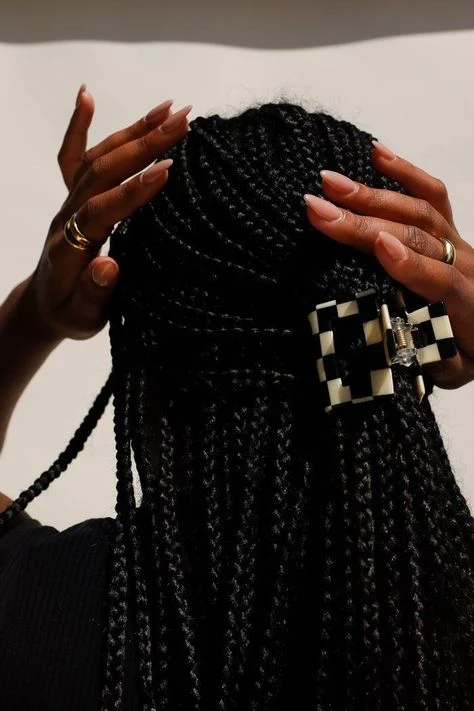
A single braided style can take eight hours to complete. TechCrunch Part of that time is preparation, pulling consistent pieces from packs of extension hair, which is added hair used for length and fullness, before braiding starts.
Plait Pilot targets that prep step. The stylist places braiding hair on top of the unit, sets the desired separation size, and the device separates and dispenses the pieces for braiding. TechCrunch The stylist still decides on sizing. The machine does the repeated pulling and dividing, much like a paper cutter handles straight cuts while the user chooses the width.
Tressfecta remains pre-launch. Diallo has bootstrapped the company, funding it herself, and drawn on funding from grant and accelerator programs, which offer early money and mentoring to startups. TechCrunch The company reports more than 50 braiders have joined its community. Tressfecta
Disrupt 2026 was held at Moscone West in San Francisco from October 13 to 15, 2026. TechCrunch Disrupt The Startup Battlefield Top 20 competed on the Disrupt Stage for a $100,000 prize and the Disrupt Cup. TechCrunch
The broader context here is familiar from other tooling shifts in skilled trades. The core craft stays manual. Machines absorb staging and sorting. Early PCs did not replace technicians, they changed setup work. Cloud tooling did not replace operators, it changed provisioning. Braiding follows the same pattern. Preparation is repetitive, sensitive to consistency, and largely invisible to the client until it goes wrong.
In my view, the near-term value is as much about ergonomics and throughput as raw speed. Eight hours at the chair is demanding physical work. Prep adds strain before paid work begins. Uniform sections can reduce rework and keep installations consistent across a long session.
Looking at adoption, salon hardware lives or dies on daily reliability. Footprint on a crowded station, ease of cleaning, tolerance for different pack formats, and simple controls will matter more than any specification sheet. Field testing with working braiders should surface those issues quickly.
Looking ahead, if prep becomes faster and less taxing, the gain is not only time saved. It is capacity returned to skilled practitioners and attention returned to the client. Good trade tools do not replace expertise. They protect it.