Anbernic Prices Dual-Screen RG DDS at $299.99 Ahead of December Shipments
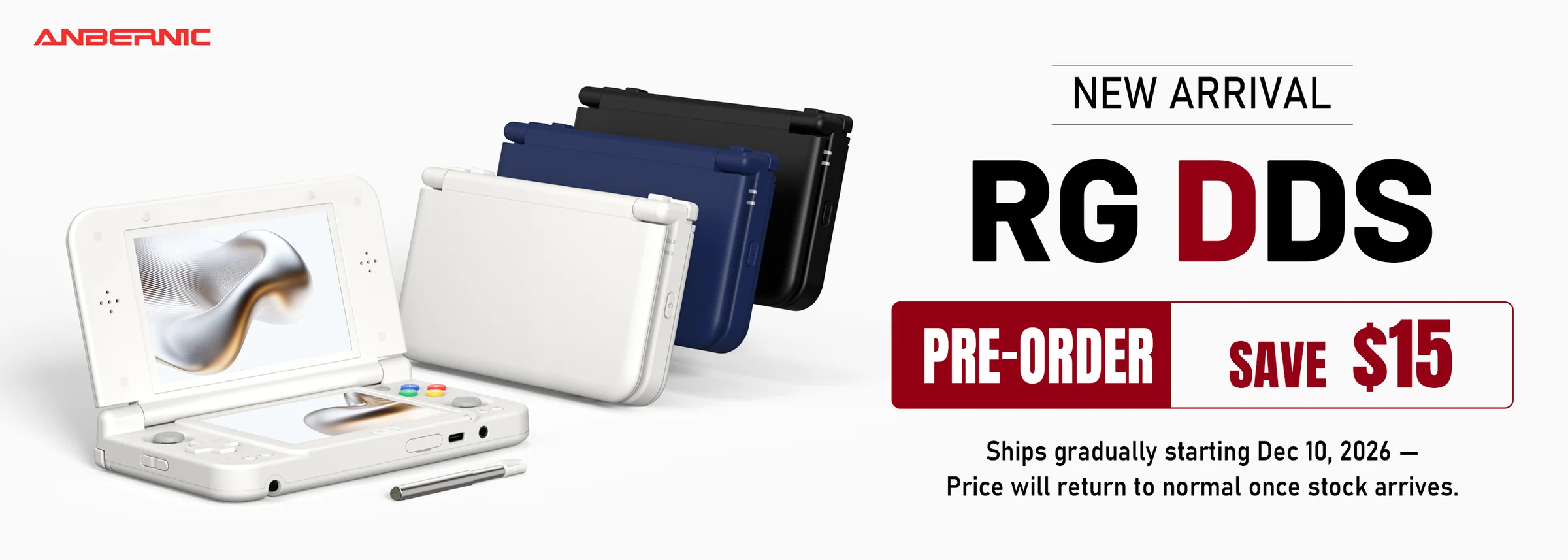
Anbernic has priced the RG DDS at $299.99. Preorders carry a temporary discount to $284.99, with shipments scheduled to begin gradually on December 10, 2026. Engadget
That entry price covers the model with 8GB of memory for running apps and 128GB of storage for games and files. A second model with 12GB of memory and 256GB of storage is listed at $364.99. The Verge
Both versions use a Snapdragon G2 Gen 2 processor, a Qualcomm chip made for Android gaming handhelds, and run Android 16. Both support Wi-Fi 6 for wireless internet and Bluetooth 5.4 for controllers and headphones, and both take a microSD card up to 2TB for extra storage. Engadget
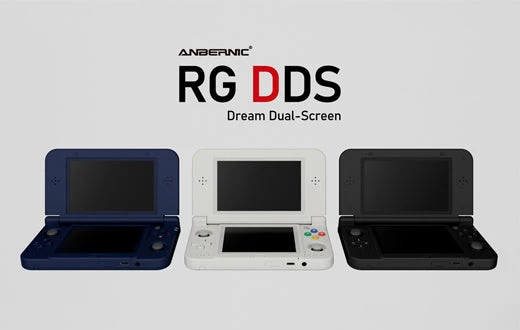
The RG DDS is a folding clamshell with two screens, sold as the Dream Dual-Screen. Anbernic calls it its first dual-screen handheld. The upper screen is a 4.7-inch IPS display, a common type of LCD, at 1200 x 720 resolution. The lower screen is a 4-inch IPS display at 960 x 720 resolution. Anbernic
The lower screen supports touch and comes with a telescopic capacitive stylus, a pen that extends to use and slides into the body for storage. The device comes in Glacier White, Basalt Black, and Phantom Blue, and runs on a 6,000mAh rechargeable battery. The Verge
For connections and sensors, it offers 1080p video output to an external display, a six-axis gyroscope that tracks tilt and motion, and a 3.5mm headphone jack. It does not have the glasses-free 3D of the original Nintendo 3DS. It also has a dedicated AI button described as providing game guides and strategies plus real-time translation during play. Engadget
Anbernic has listed the RG DDS for preorder on its official website. Normal order processing takes 2 to 4 business days, which is separate from the December shipping timetable for this device.
That final price sits at the low end of expectations. Android Authority had earlier reported a possible $300 to $365 range, with pre-sales possibly starting October 16. Android Authority
The broader context here matters for anyone who buys hardware for emulation, or playing older console games on new devices. Dual-screen Android handhelds depend on software support as much as chips. The second screen, touch input, stylus storage, and gyroscope must work cleanly with emulators and Android apps, or the extra screen adds little. In this author's view, the use of a current Qualcomm G-series chip, a recent Android version, and standard wireless parts points to an attempt to limit compatibility problems rather than chase unusual hardware.
In my view, the $65 gap between the two models keeps the choice simple. Buyers pay for more memory and built-in storage, not faster core performance. Since both models accept up to 2TB on microSD, owners with large game collections can stay with the base unit without a storage penalty. If the software work holds up, that makes for a portable way to keep dual-screen styles of play alive without maintaining aging original consoles.