NATO's Weapons Shortage: When Pledges Outpace Production
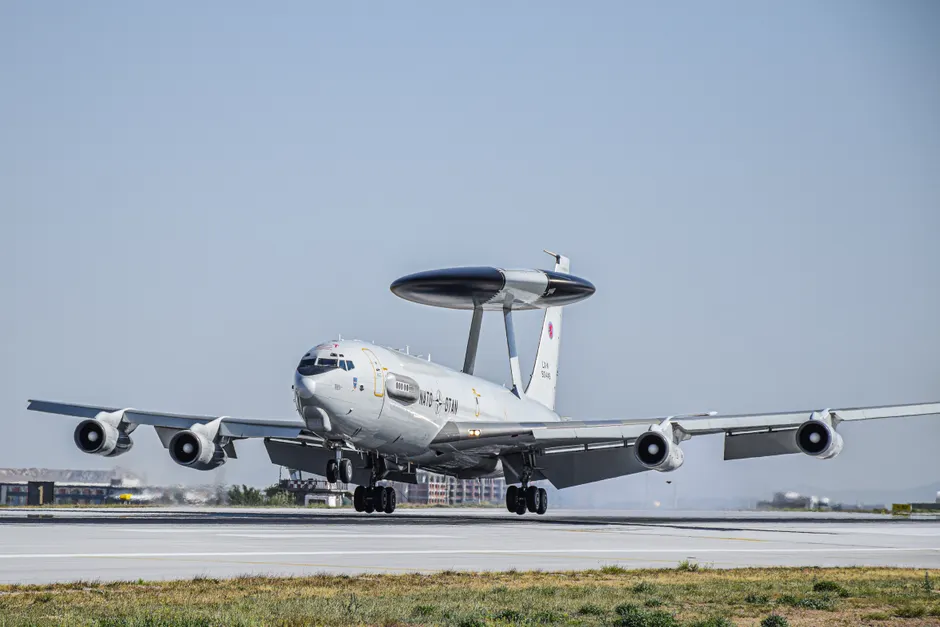
NATO leaders met in Ankara on July 7–8, 2026 to reaffirm their collective defence commitment, but an uncomfortable fact shadowed the gathering: the United States may not be able to deliver the weapons it has already promised to its allies. American defence stockpiles have been drawn down faster than factories can replenish them, leaving European militaries waiting for systems they counted on for their own security.
Two concurrent wars explain the depletion. The conflicts in Ukraine and Iran have consumed American munitions at a pace that caught the Pentagon off guard. The US fired more than 850 Tomahawk cruise missiles during the Iran war, and by April 2026 had burned through roughly half its inventory of PAC-3 air defence interceptors in that same conflict The Guardian. These are the precise systems European air forces depend on to layer their defences against aircraft and missiles. The Pentagon itself had flagged this problem a year earlier, in August 2025, warning that aid to Ukraine had "partially exhausted stockpiles" and created an "urgent need" for expanded production DoD.
The shortfall is no longer theoretical. On July 6, the eve of the summit, a Russian bombardment killed at least 21 people across Ukraine and wounded dozens more. President Volodymyr Zelenskyy said Kyiv lacked enough interceptors to bring down roughly 23 ballistic missiles that night, and he pressed NATO to act. The timing forced the alliance's internal conversation about industrial capacity into direct contact with an immediate operational failure on its eastern border The Guardian.
One European diplomat, speaking anonymously, described the problem bluntly: depleted stocks from two wars, an American shift of resources toward Asia, and interceptor shipments diverted first to Israel have pushed European allies backward in the queue. "We know that we are not customer number one," the diplomat said Reuters. This reflects a structural condition, not a deliberate snub. Washington is managing competing demands from Kyiv, Tel Aviv, Indo-Pacific partners, and its own military needs, all while its defence factories still operate on peacetime assumptions about production volume.
European governments have avoided a direct confrontation with the Trump administration over the shortfall, a restraint born of careful calculation. A public row over arms deliveries could compound damage from earlier disputes over Iran policy and Greenland — tensions that diplomats worked to smooth over on the Ankara sidelines Reuters. Secretary of Defense Pete Hegseth has pushed allies to raise defence spending to 5% of their GDP, with the implicit expectation that much of that spending flow toward American equipment. Secretary General Mark Rutte framed the summit as one focused on "delivery," and NATO's preparatory documents called on allies to chart "credible paths" to that 5% target NATO.
Here lies the tension: allies are being asked to spend more on American weapons systems even as the United States struggles to fulfil orders already made. An administration official previewed "billions of dollars in announcements" on shared manufacturing, new factories, and split production lines between Europe and the United States — an attempt, it appears, to solve the bottleneck by moving some manufacturing overseas rather than relying solely on American export capacity. Whether this addresses the immediate crisis is distinct from whether it resolves the deeper question: can European allies trust that future investments in American systems will actually be delivered, given the current track record on existing contracts?
Another complication lies in how European militaries are organized. EU armed forces operate more than 150 distinct weapons systems, compared with a few dozen in the US inventory Europarl. This fragmentation has long made it harder for militaries to work together seamlessly, and it has also made European reliance on a small number of shared American platforms — the Patriot air defence system and HIMARS mobile rockets chief among them — far more consequential when those supply chains break. The European Parliament's 2025 resolution on common defence policy underscored the need for EU-NATO cooperation on weapons buying, but joint production timelines measured in years offer little help to Ukrainian air defenders facing missile strikes today.
NATO's Ankara declaration affirmed an "ironclad commitment" to collective defence, language that has always come easily to the alliance in communiqué form. What was genuinely tested in Ankara was whether that rhetorical unity could translate into actual hardware. The broader defence spending push is already straining budgets across NATO's 32-member alliance Reuters, meaning European governments are absorbing rising bills for equipment that may arrive late or incomplete, all while the war on NATO's eastern flank continues to exact a visible cost for insufficient air defence stockpiles.


