Iran's Supreme Leader Khamenei Laid to Rest After Four-Month Funeral Procession
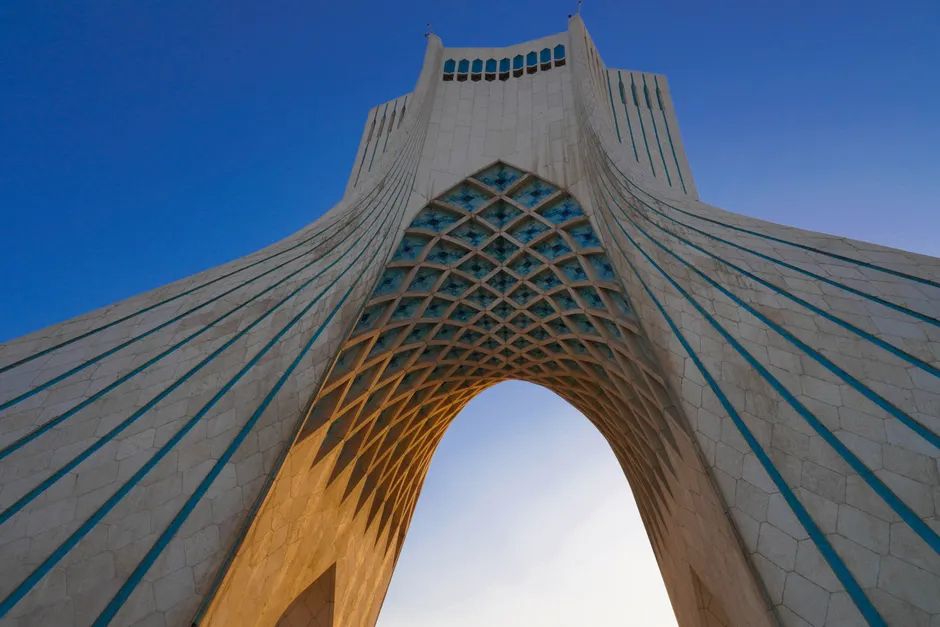
Hundreds of thousands of mourners filled Tehran's Azadi Square on Monday, July 6, 2026, as the coffin of Ayatollah Ali Khamenei was carried through the capital on a mobile stage truck in what became the largest single gathering of a multi-city funeral procession that began four months earlier NYT Live. Khamenei, who led Iran as Supreme Leader for 37 years, was killed in an airstrike in February 2026 Reuters. His body was preserved from his death on February 28, with burial delayed for months by the disruptions of ongoing war before authorities finally scheduled it for July 9 Kurdistan24.
The Tehran ceremonies unfolded across three days, July 4 through July 6 CNBC. Public farewells began on July 4 at the Imam Khomeini Grand Mosalla, where the Iranian Army assisted with logistics. Lying-in-state and funeral prayers followed on July 6 at the same location Press TV. By the time the coffin reached Azadi Square, it had moved through days of continuous human flow through Tehran's streets New York Times. The procession also carried the remains of family members who were killed alongside Khamenei in the airstrike IRNA.
Week-long memorial ceremonies began in Tehran on Friday, July 3, with senior officials from dozens of countries in attendance IRNA. Foreign press, including New York Times correspondents, were allowed access but reported from Tehran under Iranian government supervision—a condition that affected what could be independently confirmed about crowd size and public sentiment NYT Video.
The funeral route extended well beyond the capital, visiting at least five Iranian cities before crossing into Iraq New York Times. The schedule placed the procession in Qom on July 7, then in Najaf and Karbala on July 8, with burial set for July 9 at the shrine of Imam Reza in Mashhad CNBC IRNA.
Iraq's portion of the funeral involved significant preparation. Committees in Najaf mapped a six-kilometer procession route, while Karbala planned a 5.8-kilometer route Press TV. Iraqi authorities deployed 150 ambulances across both cities. Hashd al-Sha'abi, an umbrella group of Iraq-aligned militias, called on Iraqis to participate widely in the ceremonies Press TV. Iranian President Masoud Pezeshkian was scheduled to attend the Iraqi portion in person Press TV.
The route itself carried symbolic weight. Routing the funeral cortege through Najaf and Karbala—two of Shia Islam's holiest cities—before final burial in Mashhad connected Khamenei's death to the geographic and religious network of Shia authority that spans the Iran-Iraq border. This route conveyed a transnational dimension to his legacy that a Tehran-only ceremony would not have. The scale of medical preparation in Iraq also reflected lessons learned from past disasters at major Shia pilgrimage events, where crowd crushes have caused deaths.
What stands out is the four-month interval between Khamenei's February death and his July burial. In Shia funeral custom, burial ordinarily occurs within days. The months-long preservation of his remains points to how severely the ongoing war disrupted normal state functions during that period. CNN's coverage from July 5 situated these ceremonies within a broader war narrative still developing in parallel CNN. The succession within Iran's clerical establishment—who succeeds Khamenei as Supreme Leader—remains a question that has not been publicly resolved or fully reported. Yet the funeral's geographic sweep across five Iranian cities and into Iraq's Shia heartland suggests Iranian authorities are using the funeral itself as a means of projecting institutional stability at a moment when Iran's leadership structure faces acute uncertainty.