7% Mortgages and Flat Prices: What the Forecasts Say
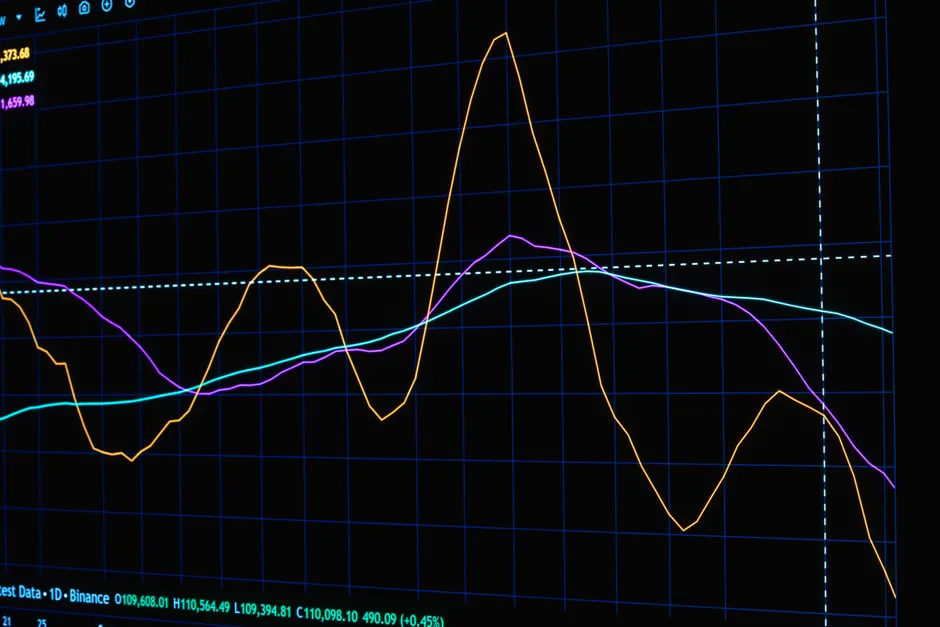
U.S. mortgage rates were above 7% by October 15, 2026, while home prices stayed elevated, The New York Times reported. Rates had crossed 7% in September 2026 for the first time in almost two years and continued to climb, Bloomberg reported.
J.P. Morgan Global Research expects U.S. home prices to remain flat in 2026 and to increase by 3% in 2027, J.P. Morgan projected.
The broader context here is what that call means for households. In nominal terms, before adjusting for inflation, it means price stability through this calendar year and modest growth next year. It comes after prices held firm through mid-October.
Goldman Sachs states that high mortgage rates and limited inventory, meaning few homes listed for sale, continue to challenge the U.S. housing market. Mortgage rates surged to a 20-year high in 2022 and have stayed elevated since, Goldman Sachs noted.
In my view, supply is doing much of the work. Listings have stayed tight, like a store shelf with little stock. Higher borrowing costs have therefore cut transactions more than prices, and rate relief alone has not cleared the shortage.
Goldman Sachs Research forecasts two more Federal Reserve rate cuts next year, leaving its short-term policy rate at 3-3.25%, Goldman Sachs projected in a note published December 3, 2025.
What matters for your money is the split between policy and mortgages. The Fed controls very short-term rates. A 30-year mortgage follows longer-term bond yields plus a markup, so Fed cuts do not pass through one for one. Pricing has not followed in lockstep.
Goldman Sachs analysts increased their U.S. home price forecast to 4.5% for 2024 and 4.4% for 2025, up from a prior estimate of 4.2%, Goldman Sachs reported on September 11, 2024. That upgrade followed a period in which the firm forecast prices to climb as mortgage rates fell to 6.3% in 2024.
The pattern to notice is how buyers reacted to small relief. Even a dip to 6.3% brought renewed bidding and higher forecasts.
Goldman Sachs Research's model for large economies projected U.S. home prices would decline by around 5% to 10% from the peak, Goldman Sachs reported on October 6, 2022. The same model projected Canadian home prices would decline by around 15% from the peak.
Looking back helps separate forecast from outcome. Those declines were calls made right after rapid rate hikes. They were not the realized path.
In my view, the gap between Fed expectations and mortgage outcomes is the throughline. The December 2025 forecast pointed to 3-3.25% next year, yet September-October 2026 delivered 7%-plus mortgages and still-elevated prices. For borrowers, that argues for budgeting on rate persistence. For investors, flat 2026 pricing with 3% growth in 2027 means returns must come from carry, or interest earned, rather than price gains.
For risk, what stands out is inventory. Tight supply explains why elevated mortgages dented sales more than prices, and why 6.3% rates in 2024 produced upgrades to 4.5% and 4.4%. If listings stay tight, even realized Fed easing may transmit slowly to borrowing costs until supply rebuilds.