Basic income helped Indigenous groups protect Amazon forest, study finds
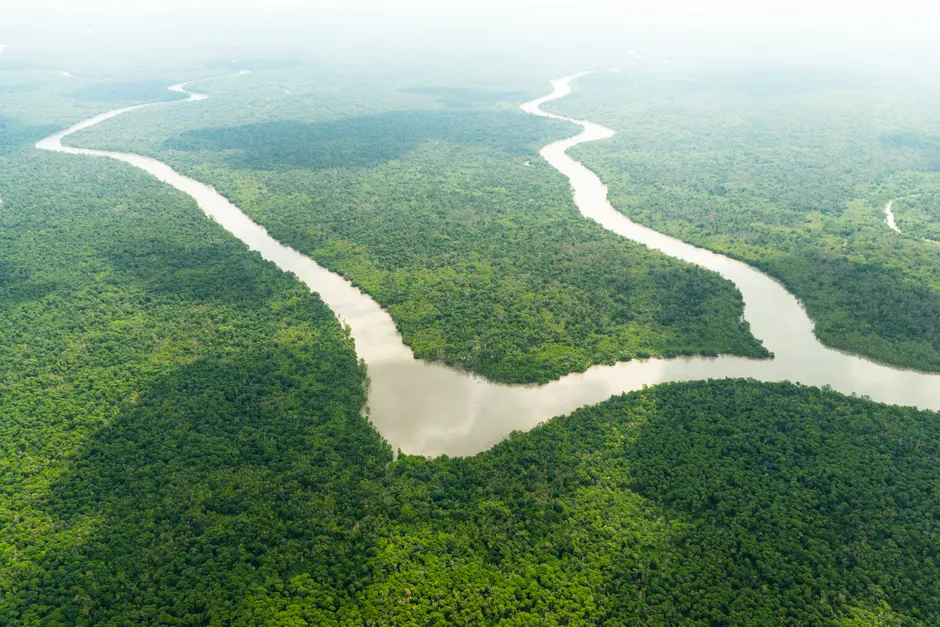
Providing Indigenous people in the Peruvian Amazon with an unconditional basic income, regular cash with no conditions on spending, contributed to protection of the rainforest, a University of Bath analysis has found.
The two-year pilot was managed by the UK-based charity Cool Earth. The analysis examined outcomes across the three participating communities over the two-year period. It involved 211 people in three communities in the Asháninka region in central Peru, according to the study reported The Guardian. Each participant received six cash transfers of 1,032 Peruvian soles to spend as they wished, worth roughly £2 a day.
Almost 90% of participants adopted practices described as environmentally beneficial. Those practices included collective reforestation, restoration of critical water sources and reductions in forest burning. Early results from the pilot had indicated that participating communities stopped logging while the payments continued, Mongabay.
Living conditions changed during the pilot period as well. The proportion of households unable to afford nutritious food fell from 73% to 26%. The proportion of participants who were forced to leave their homes to find work fell from 43% to 18%.
Alongside the payments, organisers offered a voluntary 'cash plus' programme of community-led education covering finance, conservation and climate change. The study authors say the project was drawn up with local women's groups. They describe it as the first project to offer an unconditional basic income to an Indigenous community in the Amazon. The pilot was designed to assess whether unconditional cash transfers could help communities better conserve forest cover, with the aim of helping people choose a more sustainable way of living.


