Meta's Muse Reaches 10 Million U.S. Downloads in 40 Days

Meta's Muse reached 10.2 million U.S. downloads out of 10.9 million total downloads in its first 40 days since its September debut, according to Sensor Tower data reported Oct. 20, 2026. TechCrunch
Only 11 other apps had reached 10 million U.S. downloads in their first 40 days before Muse. The most recent app before Muse to do so was Meta's Threads in July 2023.
ChatGPT had 3.7 million U.S. downloads in its first 40 days, while Grok had 500,000 and Claude had 200,000. By that count, Muse installed at about three times the pace of ChatGPT in the same window, while available in fewer countries.
Muse was available only in the U.S. and Canada as of Oct. 20, 2026. It held the No. 1 rank on the U.S. App Store every day since launch except Oct. 19, 2026, when Kick moved ahead briefly, before Muse returned to the top spot on Oct. 20. It was also ranked No. 1 on Google Play over the past 30 days as of Oct. 20.
Muse had a 30% 7-day retention rate and a 23% 14-day retention rate in the U.S., meaning that share of users still opened the app after seven and 14 days. Rival AI apps averaged 19% and 16% on the same measures. Daily active users, the count of people using the app in a day, reached 2.5 million for the first time on Oct. 16, 2026, a 15% increase from the prior week.
Meta allocated 39% of its total advertising spend to market Muse in October 2026, up from 23% in September 2026. Muse ranked as the 21st largest brand in the U.S. by advertising impressions, a count of how often ads are shown, in October 2026, up from 73rd in September 2026.
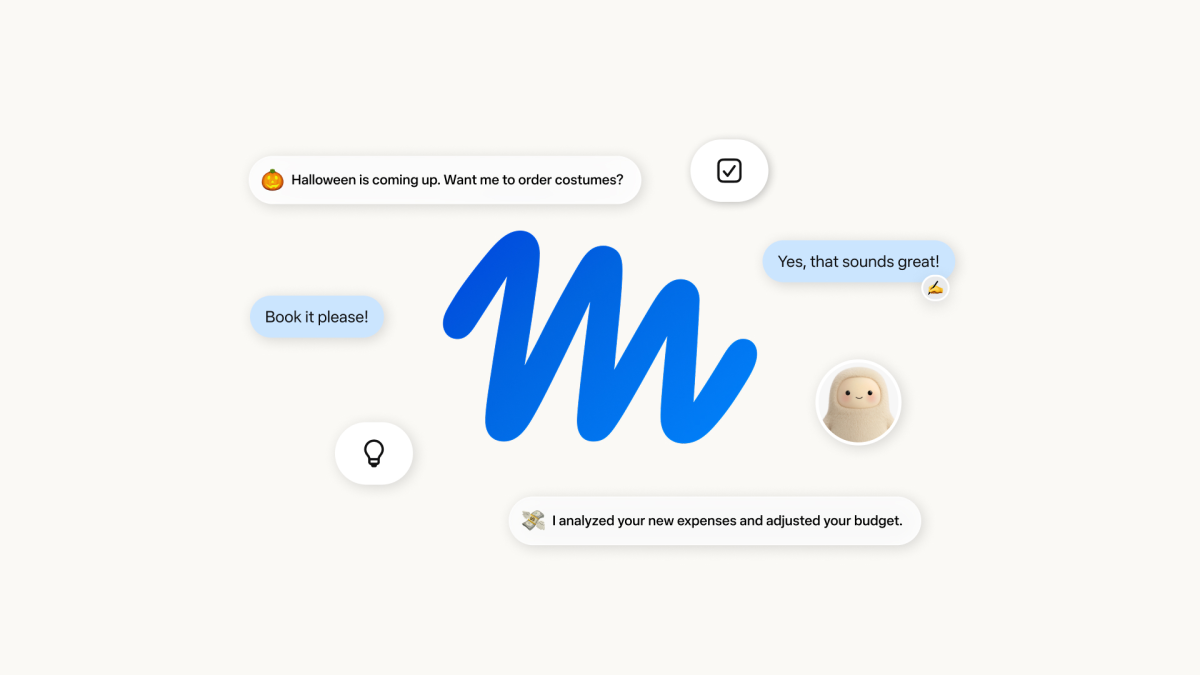
Muse was released on Sept. 8 and recorded 730,000 downloads in the roughly five days following release, according to Sensor Tower. CNBC It then reached 5 million downloads in 22 days, ahead of rival AI assistants. Forbes Muse is described as a personal AI agent, software that can act on its own to complete tasks, that books trips, makes purchases and places calls for users. It is available for people aged 18 years and older.
The broader context here is the mix of paid distribution and continued use. A move from 73rd to 21st in impression share in one month is a large buy, even for Meta. It accounts for part of the install curve. It does not account for the retention difference. Paid acquisition usually lowers retention for a group of new users, because less committed users stop using the product sooner. Muse is retaining at roughly 1.5 times the rival average at day seven and day 14.
In my view, that combination is the number to watch, not the headline download total. Installs track distribution. Seven-day and 14-day retention, plus the climb to 2.5 million daily actives, track whether task-based work is sticking. Booking, purchasing and calling carry more steps and more points of failure than chatting, around permissions, payments and phone calls. If users return after trying those flows once, the product is passing a trust test that chatbots did not face. I have watched my own adult children drop capable apps after one failed checkout or one pushy permission request, and stick with simpler ones that felt predictable.
Looking at what this means for builders, the limits matter as much as the totals. Ten point two million of 10.9 million downloads came from the U.S., with availability limited to the U.S. and Canada. That leaves international expansion, age-gated onboarding for users 18 and older, and conversion from installs to daily use still to be tested. If retention holds as distribution widens beyond early adopters and beyond Meta's own ad inventory, Muse will have set a distribution pattern for agents that the rest of the industry will need to answer.