ChatGPT Adds Per-Chat Locks for Shared Devices
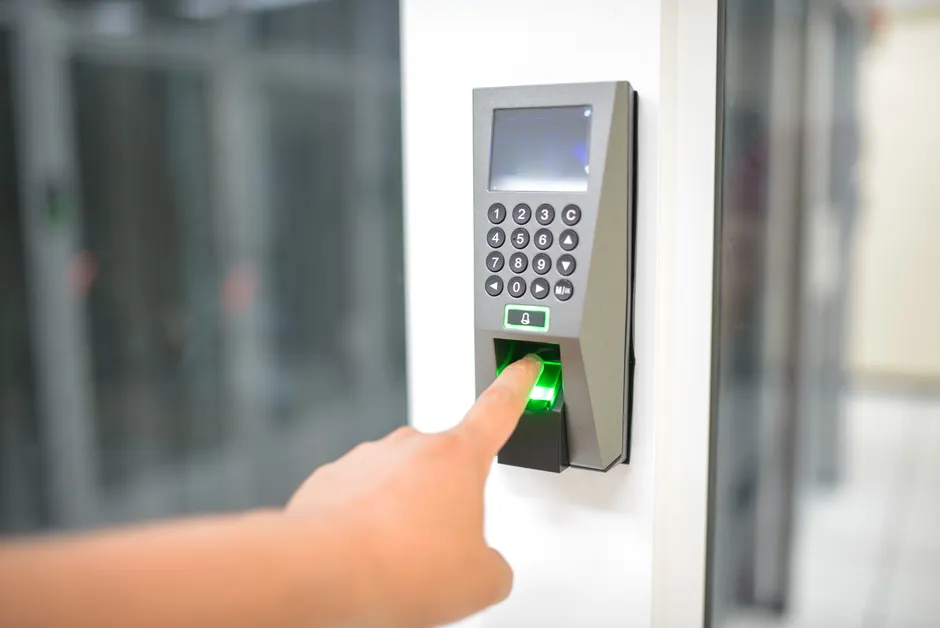
OpenAI has added Locked Chats to ChatGPT, a per-conversation lock intended to keep sensitive chats private when someone else has access to the screen or device. It is opened with a four-digit PIN or Face ID or Touch ID on supported devices. TechCrunch
OpenAI describes it for everyday sharing, such as discussing something personal or planning a surprise while handing a phone or laptop to friends or family to show a different chat. It addresses shoulder surfing, when someone reads the screen nearby, and casual device sharing. It does not address seizure, malware, or account compromise.
Locked Chats differ from Temporary Chats in persistence. Temporary Chats do not appear in chat history. Locked Chats remain stored and can be returned to at any time, but only after authentication.
Once locked, a chat leaves the normal surfaces and moves to a dedicated Locked Chats section, separate from regular history, pinned conversations, and search results. Each access requires the PIN or biometric check. Resetting the Locked Chats PIN permanently deletes all locked chats, files, and other content protected by the previous PIN, with no recovery path.
With Memory enabled, the store of details ChatGPT recalls across chats, Locked Chats use their own separate memory shared across that section. New messages sent after locking do not update regular Memory, so new information does not leak into regular chats. Information remembered before locking stays in place. Locking does not retroactively scrub it.
Locked Chats will be available on Free, Go, Plus, Pro, Business, Enterprise, and Edu plans. It is not available on ChatGPT for Healthcare. It cannot be applied to temporary chats, archived chats, group chats, chats created from a shared link, chats with scheduled tasks, and chats with meeting recordings.
Locking does not create end-to-end encryption, where only sender and receiver can read data, or a separate encrypted vault. It does not change how long the chat is retained. It does not change the Improve the model for everyone setting, which controls use of chats for training. Documentation is now live, including a help article titled "Using locked chats in ChatGPT" and an entry in the ChatGPT release notes. OpenAI
The broader context here is that this is access control at the client layer with memory isolation, not a change to storage, retention, or training controls. It fits shared-device privacy and enterprise cases such as showing ChatGPT on a projector or passing a logged-in device around a room. It does not reduce exposure to the provider, to workspace admins with retention access, or to prior memory writes. Having watched my own children treat a phone lock as routine, I expect ease of use is what will decide adoption, though admins should plan for file loss when a forgotten PIN wipes data by design to avoid a backdoor.