Figma Acquires Bud, the AI Coding Platform, Amid Vibe-Code Consolidation

Figma has acquired the team behind Bud, an AI coding platform previously known as Orchids, according to TechCrunch. The Y Combinator-backed startup's product will shut down by July 18, 2026, requiring users to export or migrate their projects before that date.
Bud CEO Kevin Lu announced the deal on X without disclosing terms. Figma has not released a separate statement on the acquisition.
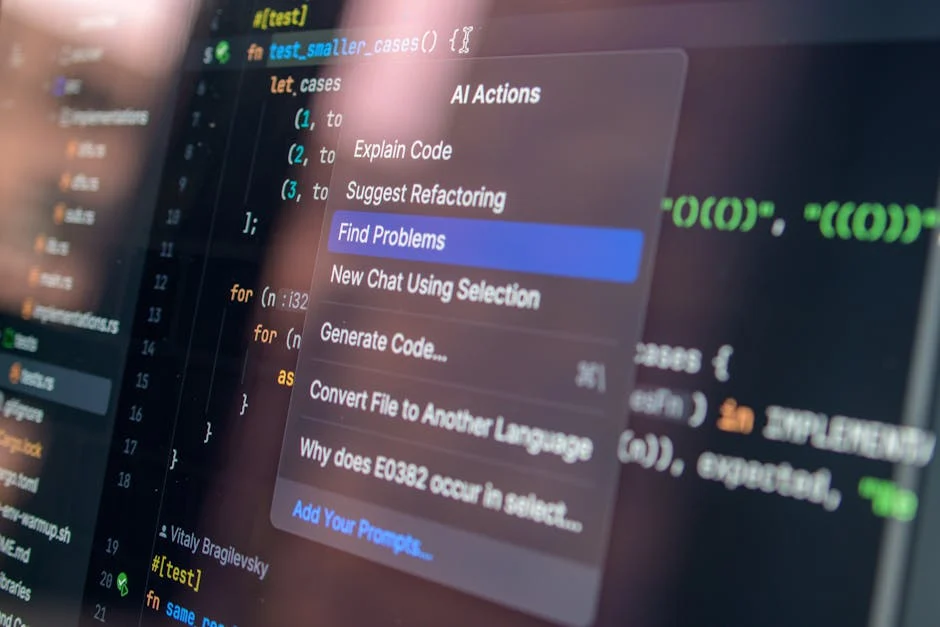
The company's trajectory compresses a meaningful product shift into roughly two years. It launched as Orchids, offering what's called vibe coding — a method of generating applications through natural-language prompts rather than hand-written code — for mobile, web, Slack, and browser platforms. The team later rebranded to Bud and shifted toward a broader AI agent platform capable of web browsing, API access, and autonomous task execution, per TechCrunch.
That pivot matters. Across the industry, vibe coding tools have drifted toward broader agentic capabilities — accessing external services, browsing the web, executing complex workflows — as the underlying AI models improved faster than the tools themselves could stay competitive with narrower scope. Bud's path follows this wider pattern.
Security concerns shadowed the product before acquisition talks began. Earlier in 2026, the BBC reported that applications built on Orchids contained vulnerabilities to cyberattacks, citing security researcher findings, per TechCrunch. The available reports do not clarify whether those vulnerabilities were patched, influenced acquisition discussions, or will carry into any future Figma integration. For developers using the platform, this gap is significant: acquisitions often bring technical debt along with talent, and the migration window is tight enough that teams should assess their own exposure before the infrastructure goes offline.
For Figma, the acquisition pushes a design-tool company deeper into code generation and autonomous agents — a direction consistent with broader consolidation in the design-to-development tooling space since generative coding assistants became commonplace. Figma has not detailed how Bud's technology or people will integrate with existing products. Team size, specific roles, and whether the Bud or Orchids brand survives the shutdown remain undisclosed.
Users of Bud and Orchids face a practical deadline: projects must be exported or migrated by July 18, 2026 or risk becoming inaccessible. That's a narrow runway for teams that deployed production or customer-facing tools on what was originally marketed as a lightweight prototyping platform — a reminder that vibe-coded applications carry the same platform-risk calculations as any other third-party dependency, regardless of how the marketing frames them.
The larger picture suggests vibe coding tools are entering a consolidation phase. A wave of similar startups emerged over the past two years, each promising rapid app generation from natural-language prompts. Acquisitions like this signal that larger platforms increasingly treat that talent and technology as acquisition targets rather than threats to sidestep. Whether this pattern continues or independent platforms establish lasting footing is not yet clear from the available data.
For developers evaluating any AI-native coding tool, the more substantive lesson is this: a platform's financial stability and ownership trajectory is now a legitimate due-diligence question, not an afterthought. These tools have been changing hands and identity quickly enough that long-term survival cannot be assumed.